
Lieferung heute & morgen

Qualitätsgarantie

Willkommens-Angebote freischalten: KOSTENLOSE Lieferung | Bis zu 80 % RABATT | Kostenlose 30-Tage-JoyPlus-Testphase
App herunterladen
A vitamin C serum can be a useful addition to a skincare routine for dull, uneven or pigmented skin. However, when choosing one, the striking percentage on the packaging is not the only thing that matters. The form of vitamin C, the rest of the formulation, the packaging and how well it suits your skin in everyday use are all important.
If you are looking for a vitamin C serum for pigmentation, a serum for hyperpigmentation or a brightening facial serum, it is therefore worth knowing about some common marketing pitfalls.
23% pure ascorbic acid and 20% of a vitamin C derivative cannot be directly equated. Pure ascorbic acid is a different substance from, for example, Ascorbyl Glucoside, 3-O-Ethyl Ascorbic Acid or Tetrahexyldecyl Ascorbate. The pH value, stabilisation and the rest of the formulation also affect how the product is used.
A higher percentage therefore does not automatically mean that a product is more suitable for every skin type. For sensitive skin, a vitamin C serum with a derivative or a lower concentration may be a more predictable choice.
A lightweight texture can feel pleasant, but it does not replace checking the ingredients list. Fragrances, essential oils, alcohol or additional acids such as glycolic acid may be relevant for some people. If you are prone to redness or stinging, test a small amount on an inconspicuous area of skin first.
Ascorbic acid can be affected by light, heat and air. A dark or well-sealed container, brief contact with the surrounding air and suitable storage are practical criteria to consider when buying. A noticeable change in colour or an unusual smell may indicate that the formulation has changed. The information on the packaging remains decisive.
For a facial serum with vitamin C, the specific INCI name is important in the first instance:
The percentage should always be considered together with the form of vitamin C. If you are looking for a serum for acne scars or dark spots, other ingredients such as niacinamide, tranexamic acid or soothing ingredients are also relevant. Cosmetic products can affect the appearance of skin discolouration; they do not diagnose or treat skin conditions.
For dry skin, ingredients such as glycerine, panthenol, squalane or hyaluronic acid may be worth considering. People with sensitive skin should look for a formulation with a manageable number of ingredients and assess fragrances and essential oils according to their individual needs.
A vitamin C serum for sensitive skin is not automatically irritation-free. Even a product described as gentle should initially be used with care. If irritation, swelling or intense stinging persists, stop using the product and seek medical advice if necessary.
Vitamin C serums are generally applied after cleansing and before moisturising. During the day, a broad-spectrum sunscreen with a suitable sun protection factor is important, particularly if you are also using acids or other products that may increase sensitivity. The serum should be closed securely after use and stored according to the packaging instructions.
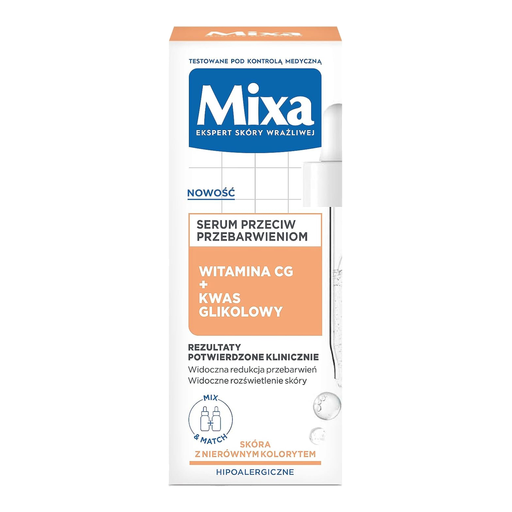
Why this product suits the profile: The formulation combines a vitamin C derivative with glycolic acid and is intended for use in the morning and evening. It is aimed at people looking for an uncomplicated serum for an uneven skin tone.
The product information clearly identifies the active ingredients it contains. This makes it easier to assess the formulation than when a product relies solely on claims such as “Glow” or “Brightening”.
The stated INCI list includes a vitamin C derivative, glycolic acid and niacinamide. Sun protection is recommended during the day.
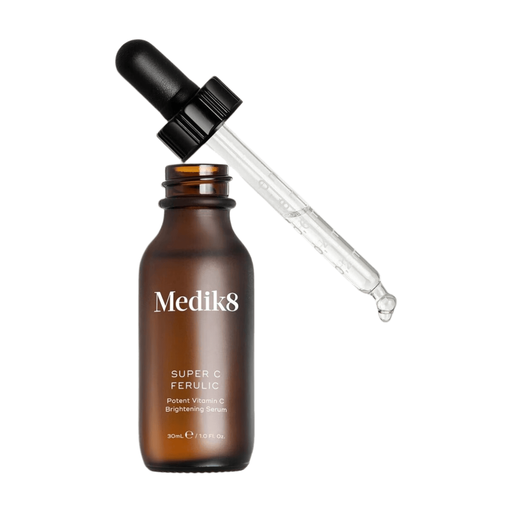
Why this product suits the profile: The formulation combines a stable vitamin C derivative with ferulic acid and vitamin E. It is designed for morning use and, according to the product information, is not recommended for sensitive skin.
The restriction for sensitive skin is stated in the product information. This helps prevent an intensive formulation from being chosen solely because of its active ingredient claims.
30% vitamin C according to the product description, plus ferulic acid, vitamin E and an application of four drops.
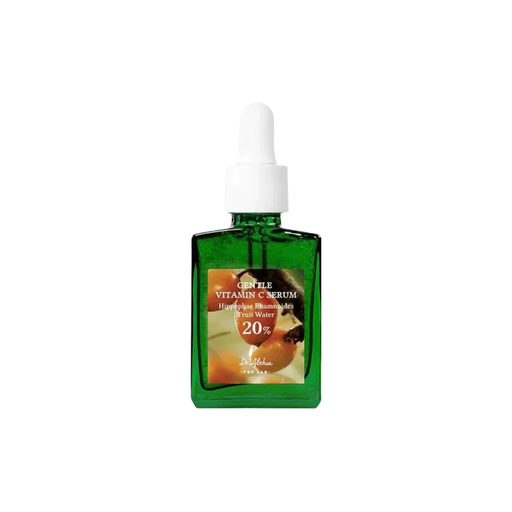
Why this product suits the profile: The formulation uses sea buckthorn fruit water, niacinamide and 3-O-Ethyl Ascorbic Acid. According to the product information, it is positioned as a gentle option for sensitive skin and those new to vitamin C.
The formulation does not rely solely on a high percentage of pure ascorbic acid. Allantoin and green tea water are also listed; a patch test is nevertheless advisable.
30 ml contents, a vitamin C derivative, niacinamide and a lightweight, hydrating formulation according to the product information.
We have put together a complete, regularly updated list of products that fully meet these strict selection criteria and the safety regulations applicable in the EU.
Dark spots that change, become inflamed, bleed or are not clearly cosmetic in nature should be assessed by a dermatologist. A serum for hyperpigmentation is not a substitute for a medical examination.
This depends on the form of vitamin C and your individual skin tolerance. Many products are intended for daily use. With pure ascorbic acid or an additional acid, it is sensible to start slowly, using the product a few times a week. The specific manufacturer’s instructions on the packaging take priority.
Yes, some formulations are intended for sensitive skin according to the product information. However, this cannot be applied universally to every product. Check the form of vitamin C, fragrances, essential oils and other acids. A patch test before the first extensive application is advisable.
The best-before date, batch code and PAO symbol on the packaging are decisive. After opening, the serum should be stored in a cool, dry place away from direct light. If it develops a noticeable change in colour or smell, consider whether to continue using it and stop if in doubt.