
Lieferung heute & morgen

Qualitätsgarantie

Willkommens-Angebote freischalten: KOSTENLOSE Lieferung | Bis zu 80 % RABATT | Kostenlose 30-Tage-JoyPlus-Testphase
App herunterladen
A Vitamin C supplement can be a practical addition to your daily routine if your diet doesn't regularly include vitamin-rich foods, or if you prefer a convenient format. The options range from capsules and tablets to Vitamin C effervescent tablets and Vitamin C instant granules. Combinations with zinc, vitamin D, selenium and other ingredients are also available.
However, your choice shouldn't be based solely on a high milligram count or flashy marketing claims. What really matters is the actual daily dose, the composition, and how well it fits into your everyday life.
Products with Vitamin C 1000 mg, 1300 mg or another high dosage aren't necessary for everyone. A high content might seem appealing, but it can also mean that additional Vitamin C products quickly lead to unnecessary over-supplementation. Always cross-check the daily dose against any other supplements you're taking.
A Vitamin C depot product indicates a slow-release formulation. With instant granules, the focus is on taking them without water. Liposomal Vitamin C uses a special formulation with phospholipids. These terms describe the form or formulation type, but on their own they aren't proof of better tolerance or absorption for you personally.
A product with Vitamin C with zinc or Vitamin C with vitamin D and selenium can combine several nutrients. At the same time, the risk of taking individual components twice over increases. With combination products, always include all the amounts per daily dose on your comparison list.
The label should clearly show how much Vitamin C a recommended daily dose provides. The NRV (Nutrient Reference Value) for adults makes it easier to put this into context. For comparison:
When looking at brand information, always check the details on the current packaging. The values given here correspond to the product information provided and may change due to recipe updates.
Capsules are suitable if you prefer a taste-neutral option. Effervescent tablets are dissolved in water and can be an alternative to tablets. Instant granules are handy for on the go because you don't need a drinking vessel. A depot preparation can be interesting if you only want to take it once a day.
Also important are sweeteners, allergens, gelatine, sugar, and whether the product is gluten-free and lactose-free. According to its ingredients list, the taxofit instant granules contain aspartame, among other things, making it a source of phenylalanine. This information is relevant for anyone with a corresponding intolerance.
Not every combination suits every goal. A zinc supplement can be offered alongside Vitamin C, while vitamin D and selenium are often included in products for normal immune function. However, an immune system supplement doesn't replace a balanced diet or medical treatment.
For athletes, other product groups belong in a separate category. A pre-workout booster can contain caffeine, beta-alanine or creatine, and isn't automatically a classic Vitamin C preparation. Similarly, creatine capsules, NAC capsules, MSM with Vitamin C or OPC grape seed extract each follow different product concepts. Their ingredients and usage instructions should therefore be evaluated separately.
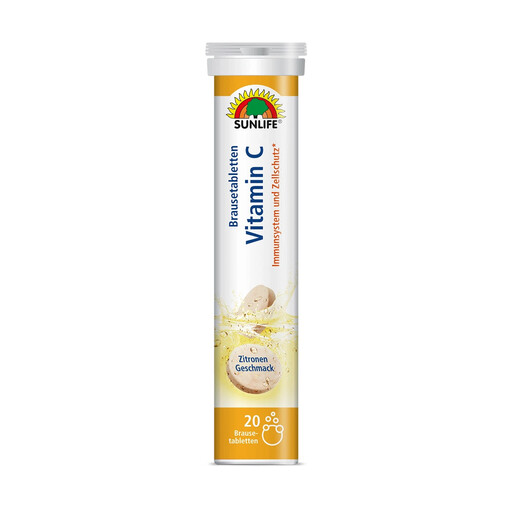
Why this product fits the profile: The effervescent tablet offers a manageable Vitamin C amount of 180 mg per portion and is dissolved in 250 ml of water.
The dosage is clearly stated and avoids a hard-to-assess high dose.
20 tablets, lemon flavour and 180 mg Vitamin C per tablet according to product information.
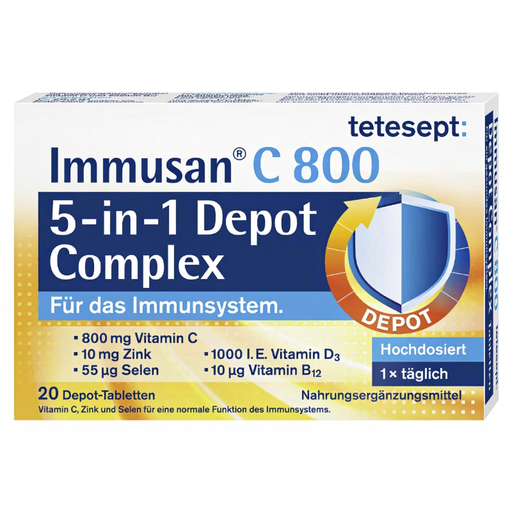
Why this product fits the profile: The combination brings together Vitamin C, zinc, vitamin D, selenium and vitamin B12 in one tablet a day, according to product information.
The amounts per daily dose are listed together, making it easier to cross-check the composition against other preparations.
800 mg Vitamin C, 10 mg zinc, 25 µg vitamin D and 55 µg selenium per tablet according to the product description.
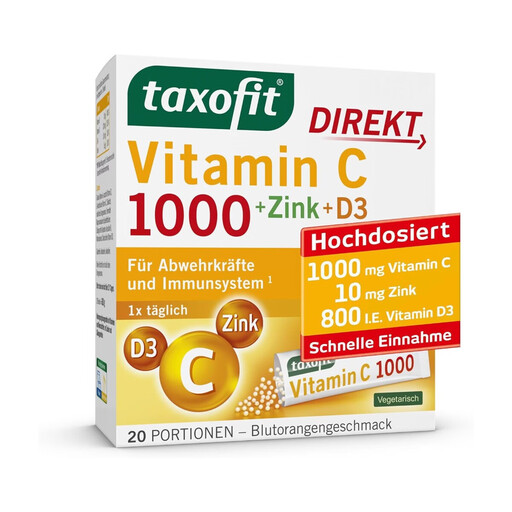
Why this product fits the profile: The instant granules are designed for people who want to take Vitamin C on the go without water.
The product description explicitly mentions aspartame and the phenylalanine source, so this information can be considered before purchase.
20 sachets, taken without water, plus Vitamin C, zinc, vitamin D and selenium per daily dose according to product information.
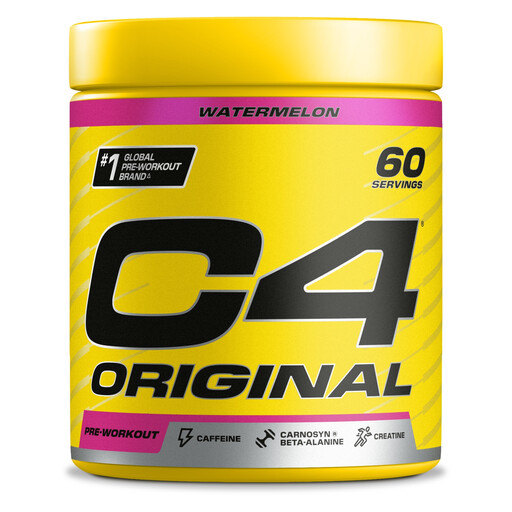
Why this product fits the profile: The pre-workout booster is aimed at healthy adults aged 18 and over who prefer a powder with caffeine, creatine and other ingredients before training.
The caffeine amount of 150 mg per portion is clearly stated. This means it can be factored into your daily caffeine intake.
60 servings, sugar-free formula, 150 mg caffeine and 37.5 mg Vitamin C per serving according to product data.
We've put together a complete, regularly updated list of products that fully meet these strict selection criteria and the safety regulations in force in the EU.
Before buying a Vitamin C supplement, these questions will help:
The best-before date and storage instructions on the packaging are what matter. Once opened, products should be stored dry, tightly sealed and protected from direct heat and moisture. A tight seal is especially important for effervescent tablets and granules.
That depends on your personal habits. Effervescent tablets are dissolved in water and can become part of a drinking routine. Capsules don't need dissolving, while instant granules are designed for taking without water when you're out and about. Taste, pack size and how often you take them should all influence your decision.
Combination products already contain these nutrients in one daily dose. Taking individual products as well can lead to over-supplementation. That's why you should compare all labels before ordering and pay attention to the respective warnings.