
Lieferung heute & morgen

Qualitätsgarantie

Willkommens-Angebote freischalten: KOSTENLOSE Lieferung | Bis zu 80 % RABATT | Kostenlose 30-Tage-JoyPlus-Testphase
App herunterladen
By Joybuy Product Recommendation Officer, August 29, 2026
The combination of vitamin C and zinc is a popular choice for many looking to support their body's natural defences, especially during the colder months or in times of increased stress. The market offers a wealth of products, but choosing the right supplement isn't always straightforward. Those looking to buy vitamin C with zinc often face vague claims and a confusing variety of formats.
This guide will help you identify the key quality indicators and avoid common pitfalls, enabling you to make an informed decision.
Before you choose a product, be aware of a few common points of confusion that can lead to the wrong choice.
To find the right product for your needs, you should consider three key aspects.
The combination of vitamin C and zinc is beneficial, as both nutrients contribute to the normal function of the immune system. Products are often advertised as high-dose. Common dosages for vitamin C often range from 300 mg to 1000 mg, while zinc is frequently included at 5 mg to 15 mg per daily dose. The right dosage for you depends on your individual needs and diet. The effects of zinc and vitamin C are complementary, as both also help protect cells from oxidative stress.
The choice of format depends on your personal preferences and lifestyle.
Zinc can be present in various chemical compounds, such as zinc citrate, zinc gluconate, or zinc oxide. Organic compounds like zinc citrate are generally considered to be highly bioavailable, meaning the body can absorb and utilise them well. Some products also contain vitamin D3, which also contributes to the normal function of the immune system and can be a beneficial addition, especially during months with less sun.
Here are some product recommendations tailored to different needs, all of which meet the quality criteria mentioned above.
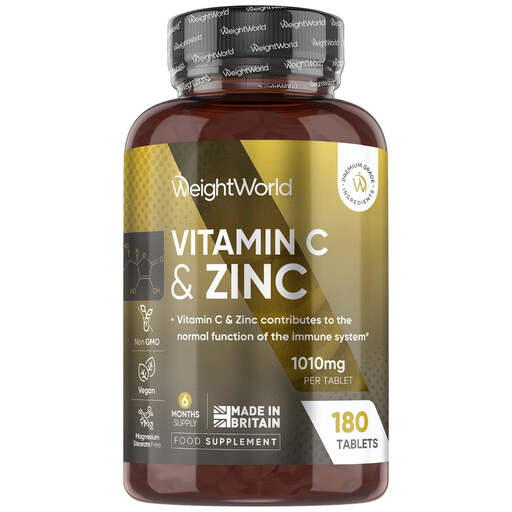
Why This Fits Their Persona: Ideal for individuals seeking a straightforward, high-dose supply for several months. The 6-month pack size reduces the hassle of frequent repurchasing.
The dosage of 1000 mg of Vitamin C and zinc is clearly stated per tablet. The ingredients list is short and focuses on the active ingredients without unnecessary additives.
Bulk pack for a 6-month supply. Uses zinc citrate, a highly bioavailable form of zinc.
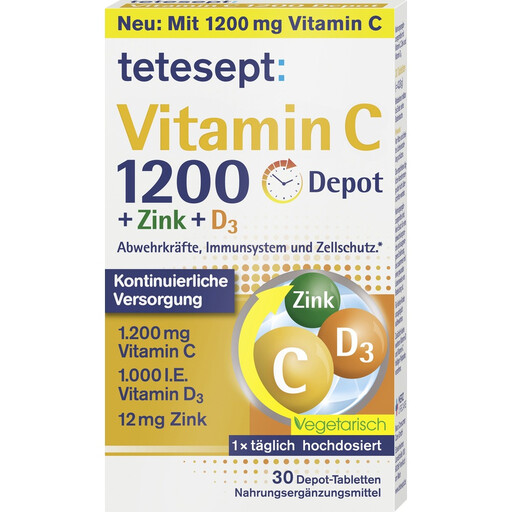
Why This Fits Their Persona: Suitable for users who prefer a steady supply of nutrients throughout the day without having to take multiple tablets. The addition of Vitamin D3 is especially practical during the darker seasons.
This product uses a specific time-release technology that enables a delayed release of ingredients, thus delivering on the often-vague "time-release" promise.
Combines high-dose vitamin C and zinc with vitamin D3. The time-release formulation ensures a continuous delivery of nutrients.
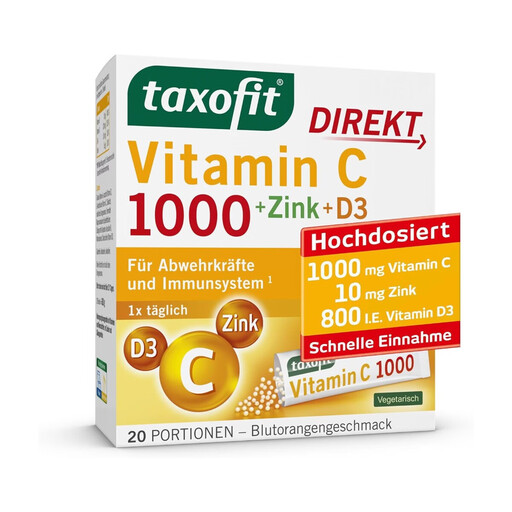
Why This Fits Their Persona: Perfect for professionals, travellers, or anyone who values a hassle-free intake without water. The individual sachets fit into any bag.
This product solves a practical problem: taking supplements when no water is available. It bypasses the need to swallow large tablets.
Direct granules for intake without liquid. Also contains vitamin D and selenium to support the immune system.
We have compiled a complete, real-time list of products that fully satisfy these strict selection criteria and UK safety regulations.
Supplemental intake can be considered during times of increased need. This includes the typical cold and flu season in autumn and winter, periods of high physical or mental stress, or if you have an unbalanced diet that doesn't provide enough of these nutrients. Both contribute to the normal function of the body's defences.
A time-release tablet is designed with a special matrix or coating that ensures the ingredients are not released all at once, but are distributed to the body over several hours. This is intended to ensure a more consistent supply of the nutrients, especially for water-soluble vitamins like Vitamin C, which the body cannot store for long.
Yes, zinc is offered in various chemical forms in dietary supplements. Organic compounds like zinc citrate or zinc gluconate are generally well absorbed by the body. Inorganic forms like zinc oxide are also effective, but their bioavailability may be slightly lower. The choice of zinc compound is a detail that can be relevant for users who prioritise optimised absorption.