
Lieferung heute & morgen

Qualitätsgarantie

Willkommens-Angebote freischalten: KOSTENLOSE Lieferung | Bis zu 80 % RABATT | Kostenlose 30-Tage-JoyPlus-Testphase
App herunterladen
If you’re looking to buy vitamin supplements, you’ll find a wide range of tablets, capsules, gummies, effervescent tablets and liquid formulas. But the differences aren’t just about taste or packaging. Dosage, ingredients, directions for use and suitability for your personal needs all matter.
When choosing vitamin supplements, three common buying habits can lead to unnecessary spending:
The packaging should clearly state how much of each nutrient is in a daily serving. The NRV percentage gives you a reference for the daily amount recommended for a healthy adult. It doesn’t replace an assessment of your individual needs.
Products containing vitamin B12, vitamin C or vitamin D3 can vary considerably. For example, a vitamin B12 supplement might contain 25 µg or 500 µg per daily serving. Vitamin D3 products range from 5 µg to much higher amounts. Don’t exceed the recommended daily dose. If you’re combining several vitamin supplements, compare their ingredient lists.
If you’re vegetarian or vegan, look for information such as vegan, gelatine-free or ‘suitable for vegetarians’. This should be stated on the product itself or in the official product information. It’s also worth checking for allergens such as gluten, milk ingredients or soya.
For example, vitamin gummies can be easy to take, but depending on the recipe, they may contain sugar, glucose syrup or sweeteners. Liquid vegan vitamins can be a practical alternative, but check them for caffeine, sweeteners and plant extracts.
Tablets and capsules are compact and usually easy to store. Vitamin effervescent tablets dissolve in water, making them a good option if you don’t like swallowing tablets. Check the preparation instructions, serving size and whether they contain sweeteners.
Vitamin gummies are pleasant to chew, but make sure you chew them thoroughly and follow the manufacturer’s dosage instructions. Liquid formulas allow for flexible dosing, but you’ll need a measuring cup or spoon, and they may need to be refrigerated after opening. If you lead an active working or sporting life, a single-serve stick that doesn’t need water may be more convenient.
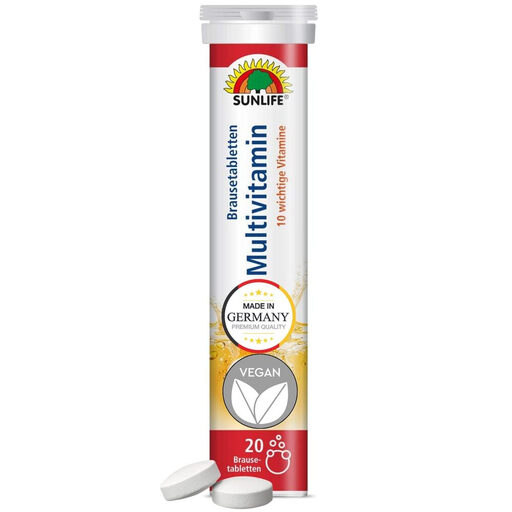
Why it suits this profile: One effervescent tablet a day, dissolved in 200 ml of water, provides ten listed vitamins in a straightforward format.
Nutrient amounts are listed per tablet, along with the NRV for each one. This makes it easier to compare the dosage with other vitamin supplements.
Gluten- and lactose-free; vitamin C, B vitamins, vitamin E, folic acid and biotin each provide 100% NRV among several ingredients.
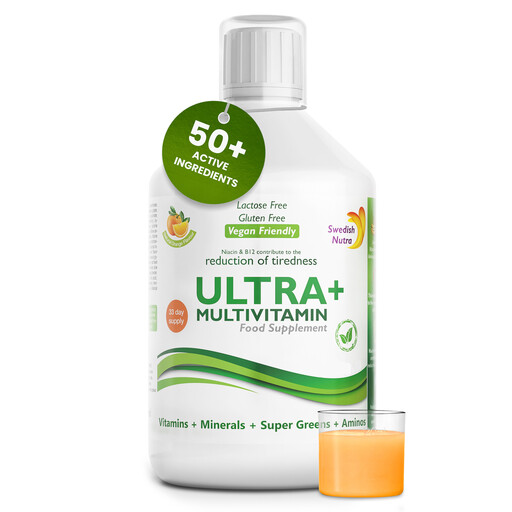
Why it suits this profile: This vegan liquid formula combines vitamins, minerals and other ingredients in a measured 15-ml serving.
The full ingredient list also mentions caffeine. This means anyone looking to limit their caffeine intake can make an informed decision before buying.
Vegan, gluten- and lactose-free; 500 ml bottle with approximately 33 servings, according to the product information.
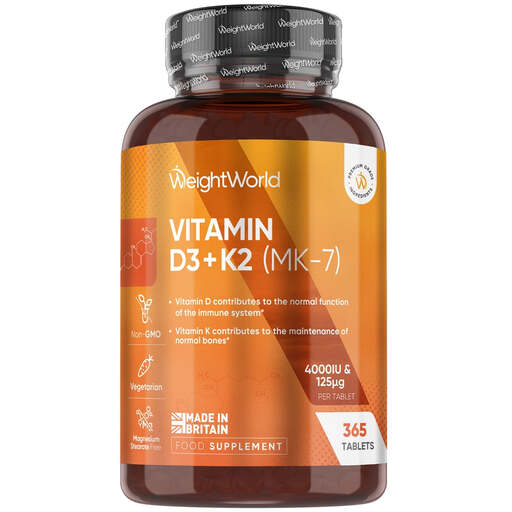
Why it suits this profile: The pack contains 365 micro-tablets with vitamins D3 and K2, and is intended for adults.
The daily amount is set at one micro-tablet. Before taking it, check with a doctor about any additional vitamin D or K2 supplements and possible interactions.
Combines vitamins D3 and K2 (MK-7); 365 tablets per pack, according to the product information.
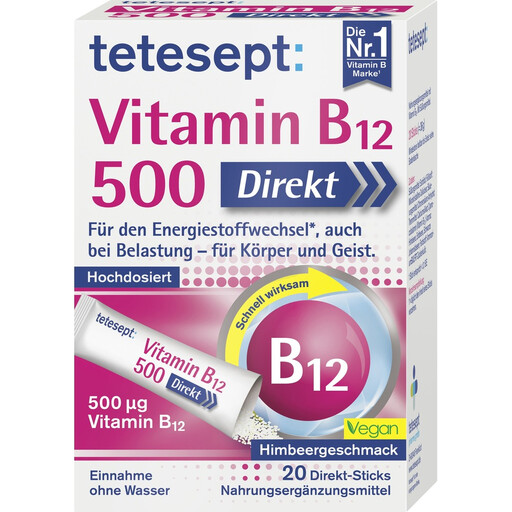
Why it suits this profile: This vegan product comes as microgranules taken directly on the tongue and, according to the product information, requires no water.
The daily serving of 500 µg vitamin B12 is clearly stated. As this is a high dose, avoid taking it alongside other B12 supplements.
Vegan, gluten- and lactose-free; quick-dissolving microgranules with raspberry flavour.
We’ve put together a comprehensive, regularly updated list of products that meet these strict selection criteria and fully comply with the safety regulations in force across the EU.
Food supplements for adults shouldn’t be used as a substitute for a balanced and varied diet. If you have an existing medical condition, are pregnant or breastfeeding, take medication regularly or have a known nutrient deficiency, it’s worth speaking to your doctor or pharmacist.
Take particular care with iron supplements and high-dose vitamin D3 products. Don’t take iron unless there’s a clear need for it. With vitamin D3, consider whether you’re already taking another supplement. Always follow the information on the packaging, as ingredients and recommended intake may change.
According to authorised nutrition and health claims, vitamin B12, vitamin C and several B vitamins contribute to normal bodily functions. However, tiredness can have many causes. Taking supplements on your own won’t replace medical advice, particularly if your symptoms persist.
The best-before date is shown on the packaging. Store unopened products in a cool, dry place away from direct light. Once opened, there may be additional instructions to follow, such as a limited period for using liquid formulas or keeping them refrigerated.
It depends on the pack size, daily serving and how long you take them for. For a fair comparison, work out the price per daily serving. You should also take ingredients such as sugar, sweeteners or sodium into account. Even so, the more convenient format may be the better choice if it helps you take the product regularly and correctly.