
Lieferung heute & morgen

Qualitätsgarantie

Willkommens-Angebote freischalten: KOSTENLOSE Lieferung | Bis zu 80 % RABATT | Kostenlose 30-Tage-JoyPlus-Testphase
App herunterladen
Anyone looking to buy vitamins and food supplements online will find a wide range of multivitamins, single-nutrient supplements and combination products. However, the differences are not limited to price. Dosage, ingredients, how often the product should be taken and the information on the packaging all determine whether a product suits your personal needs and daily routine.
A large number on the label may stand out, but on its own it says little about whether the product is suitable for you. With vitamin D3, vitamin C, B vitamins or selenium, unnecessarily high intake can be problematic, particularly if several supplements are taken together.
You should therefore check:
If you have an existing medical condition, are pregnant or breastfeeding, or regularly take medication, you should discuss your choice with a healthcare professional.
Multivitamin supplements often contain numerous vitamins and minerals. This can be practical for adults looking for straightforward daily supplementation. However, if you specifically want to supplement vitamin D, B12, magnesium or selenium, you may not need a comprehensive product.
It is particularly important to check iron, iodine, vitamin K and vitamin A, as these ingredients are not equally suitable for everyone. Always read the full ingredients list.
Tablets, mini tablets, effervescent tablets, sachets and sticks differ in terms of handling and how they are taken. A large value pack can reduce the cost per item, but it only makes sense if you genuinely need the formulation over a longer period.
You should also check:
When comparing multivitamins and multivitamin supplements, it is worth looking directly at the nutrients provided per daily serving. For example, a product containing 27 vitamins, minerals and trace elements may include vitamins A, C, D3 and E, as well as a complete B-complex. What matters is whether the amounts suit your dietary profile and whether individual nutrients overlap with those in other products.
Products containing magnesium, B vitamins or additional amino acids may appeal to active people and athletes. However, they are no substitute for a balanced diet and should not be viewed as the sole solution for health complaints.
The chemical form of a nutrient, such as cholecalciferol for vitamin D3 or MK-7 for vitamin K2, should be identifiable in the ingredients list. Fillers, sweeteners and coating agents are also relevant.
If you are looking for vegan vitamins, look for the explicit “vegan” label. With gluten-free food supplements, a short ingredients list alone is not enough: the allergen information and labelling of the specific product are what matter. If you have intolerances, check the information on the packaging again before buying.
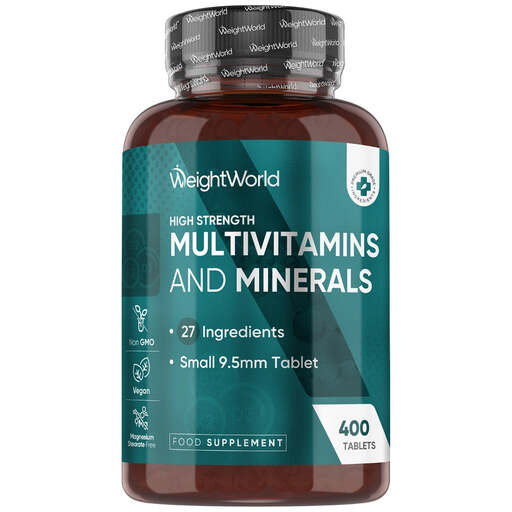
Why this product suits this profile: Combining 27 vitamins, minerals and trace elements, it is designed for adults who want to bring several nutrient groups together in one product.
The nutrient amounts and recommended intake of one tablet daily are clearly stated. Even so, the iron content should be taken into account when combining it with other supplements.
400 tablets and a broad formulation; according to the product information, gluten-, dairy- and soya-free as well as vegetarian.
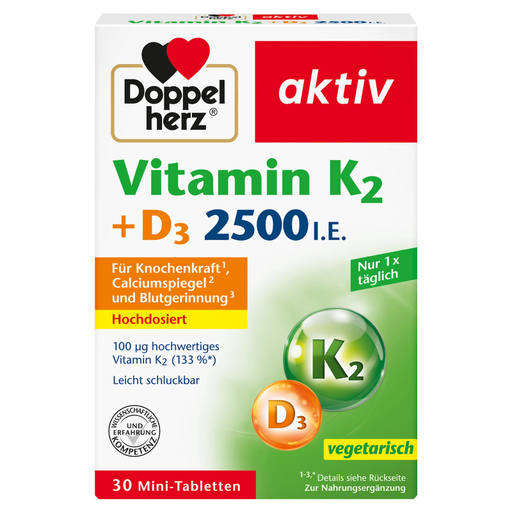
Why this product suits this profile: The daily serving is clearly focused on vitamin D3 and vitamin K2 as MK-7, making it suitable for adults who are not looking for a broad-spectrum multivitamin supplement.
The dosage of 62,5 µg vitamin D3 and 100 µg vitamin K2 per tablet is clearly stated. Medical advice is required if you take blood thinners or additional vitamin D products.
One tablet daily; according to the product information, vitamin K2 is provided in the form of MK-7.
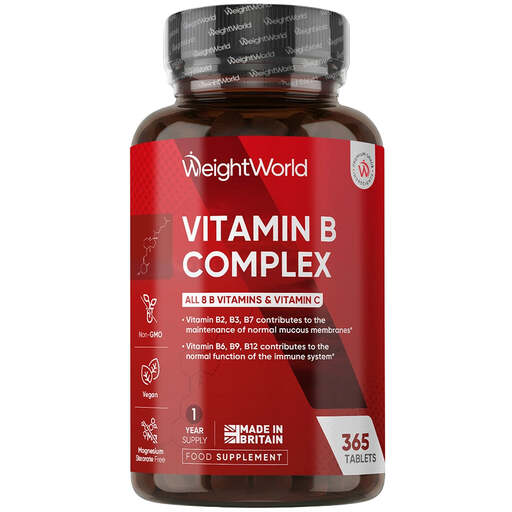
Why this product suits this profile: According to the product description, this supplement contains all eight B vitamins and is aimed at adults who prefer long-term, clearly targeted supplementation.
Rather than an unfocused blend, the emphasis is on the B complex. The daily serving is one tablet; you should still check whether you are taking any additional B supplements.
365 tablets; according to the product information, vegan, gluten-free and soya-free.
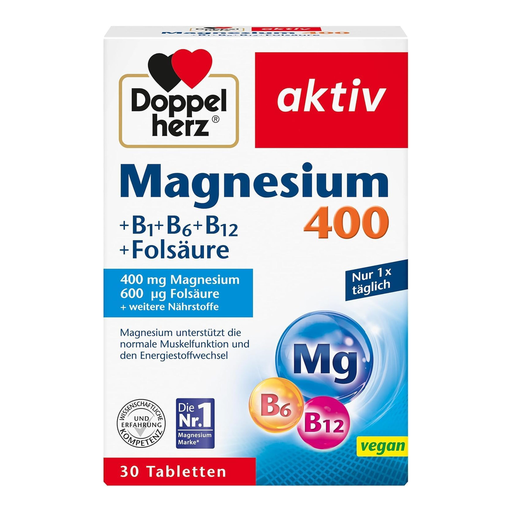
Why this product suits this profile: This combination brings together magnesium with B1, B6, B12 and folic acid. According to the product information, you can take between half a tablet and one tablet daily.
The dosage can be adjusted by taking the recommended half or whole tablet. If you already use a multivitamin supplement, remember to factor in the additional B vitamins and magnesium.
400 mg magnesium per whole tablet; according to the product information, vegan, gluten-free and lactose-free.
We have put together a complete, regularly updated list of products that fully meet these strict selection criteria and the safety regulations applicable in the EU.
The best-before date is normally shown on the packaging. Once opened, products should be stored in a dry, cool place away from direct light. Moisture can alter the condition of effervescent tablets and tablets. Always follow the specific instructions provided by the manufacturer.
This depends on the nutrients they contain and your individual circumstances. Combining multivitamins, vitamin D3 K2, vitamin C with zinc and selenium tablets can result in an unnecessarily high total intake. Before combining products, make a list of all their ingredients and seek medical advice if you are unsure.
No. Your needs depend on factors including your diet, stage of life and individual circumstances. Multivitamins can be a practical supplement, but they are no substitute for a varied diet. If you suspect a deficiency, targeted medical assessment is more useful than choosing several supplements at random.