
Lieferung heute & morgen

Qualitätsgarantie

Willkommens-Angebote freischalten: KOSTENLOSE Lieferung | Bis zu 80 % RABATT | Kostenlose 30-Tage-JoyPlus-Testphase
App herunterladen
If you are looking to buy vitamins for the immune system, you will find a wide range of supplements containing vitamin C, zinc, vitamin D3, selenium or comprehensive multivitamin formulas. However, the price alone says little about whether a product is suitable. The key factors are the nutrient amounts per daily serving, the recommended intake and your individual dietary needs.
Descriptions such as “high-dose vitamins” may attract attention, but they do not replace checking the nutrition table. A supplement containing 1,000 mg of vitamin C or 4,000 IU of vitamin D3 is not automatically suitable for everyone. If you already take several food supplements, you may unintentionally consume certain nutrients twice.
You should therefore check:
180 tablets may initially seem like a substantial supply. However, what matters is whether the label recommends taking one or several tablets per day. A pack containing 30 capsules may last a month when taken daily, while 40 tablets of an A-Z supplement can also support a longer-term routine. Compare the price per day of use rather than just the pack price.
Tablets, effervescent tablets, capsules, lozenges and liquid supplements differ in how they are used. Effervescent tablets require water and may contain sweeteners. Liquid multivitamins may appeal to people who prefer to avoid tablets, but they may contain sugar, sweeteners, caffeine or a wide range of plant-based ingredients.
If you have intolerances, check the labelling for gluten-free, lactose-free, vegan, gelatine, soya and other allergens. These terms should be clearly stated in the product description or ingredients list.
Vitamin C and zinc contribute to the normal function of the immune system according to approved nutrition claims. Vitamin C is often available on its own or combined with zinc. With zinc tablets, the amount of elemental zinc is what matters, not just the name of the zinc compound. Also check whether a multivitamin you already take contains zinc.
Vitamin C tablets are available in a range of amounts. A higher content per serving may appeal to people who specifically want a more concentrated intake, but it should be considered as part of your total daily intake.
Vitamin D3 receives particular attention during months with less sunlight. The right amount depends, among other things, on your diet, sun exposure and individual vitamin D status. A high-dose product should not be taken more frequently than stated without professional advice. If you intend to use it for a longer period or suspect a deficiency, it may be sensible to seek medical advice, including a blood test.
Selenium supplements may appeal to people who want to supplement this mineral specifically. Some products combine selenium with vitamin C, zinc or B vitamins. With these formulas, it is especially important to consider the total dosage.
Multivitamins often contain a broad selection of vitamins and minerals. This can simplify your daily routine, but it is less targeted than a single-nutrient supplement. Check whether the ingredients included match your actual needs.
The products below differ in their ingredients, dosage, format and length of supply. The information is based on the product details provided and should be checked again on the product page and packaging before purchase.
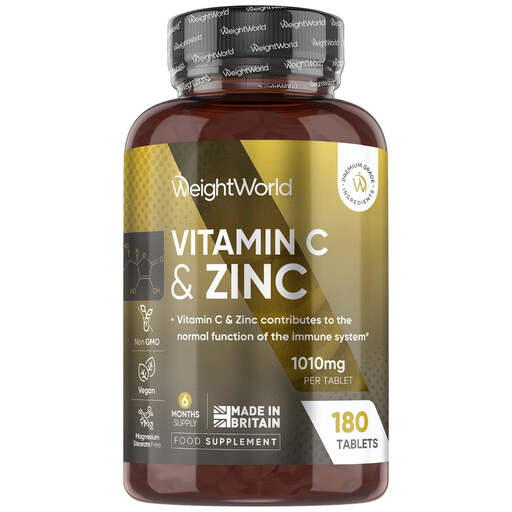
Why this product suits this profile: The combination of vitamin C and zinc focuses on two nutrients that are frequently sought after. According to the product information, one tablet is intended to be taken daily; at this recommended intake, 180 tablets provide a longer-lasting supply.
The pack size and recommended intake are clearly stated. The product is also identified as gluten-free, lactose-free and vegan.
Vitamin C and zinc formula, 180 tablets and plant-based or vegan product features according to the supplier’s information.
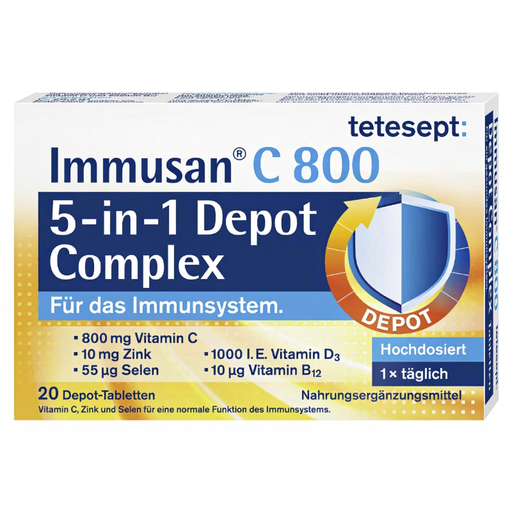
Why this product suits this profile: The formula combines vitamin C, zinc, vitamin D, selenium and vitamin B12 in one time-release tablet. According to the product description, one tablet is intended to be taken daily.
The composition and amounts per tablet are listed in the product information. This makes it easier to compare the product with supplements you already use.
Time-release format, vitamin C with 800 mg, plus stated amounts of zinc, vitamin D, selenium and B12.
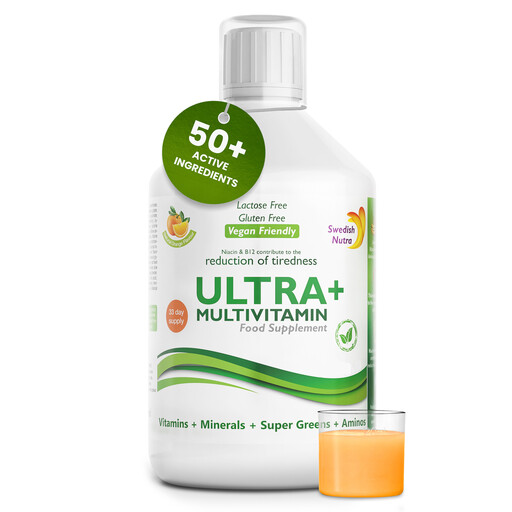
Why this product suits this profile: This liquid multivitamin is taken at a dose of 15 ml per day and, according to the product information, offers a broad selection of vitamins, minerals and other ingredients. It is stated to be vegan, gluten-free and lactose-free.
The daily serving is defined as 15 ml. At the same time, the product information states that each serving contains 63 mg of caffeine and sugar, and advises refrigeration after opening.
Liquid format, approximately 33 servings per 500-ml bottle and an extensive nutrient list according to the supplier’s information.
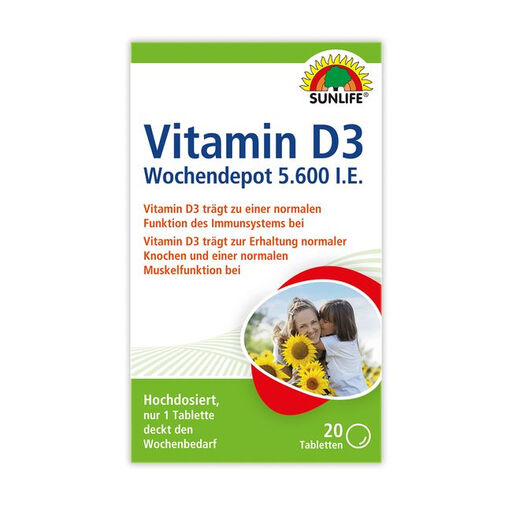
Why this product suits this profile: The weekly format is designed for adults who easily forget to take supplements every day. The product information specifically states that it should be taken only once every seven days.
The intake interval is clearly specified. Because of the high vitamin D3 dosage, the supplier recommends use following medical advice and says that relevant levels may need to be monitored.
Weekly time-release tablet, with gluten-free and lactose-free labelling according to the product description.
We have put together a complete, regularly updated list of products that fully meet these strict selection criteria and the safety regulations applicable in the EU.
Food supplements are not a substitute for a balanced diet or a healthy lifestyle. If you have symptoms or suspect a deficiency, it is advisable to seek medical advice.
Vitamin C, vitamin D and zinc contribute to the normal function of the immune system. Selenium also contributes to this function. The right choice depends on your diet, lifestyle and the amount of nutrients you already consume.
This depends on the dosage, your diet and any other supplements you take. Check the daily serving and avoid unnecessary duplication. If you intend to take higher-dose products over a longer period, you should seek medical or pharmaceutical advice.
The best-before date is shown on the packaging. Tablets and capsules should be stored in a dry, cool place away from direct light. Liquid multivitamins may have a limited period of use after opening or require refrigeration. The instructions from the individual manufacturer should always be followed.