
Lieferung heute & morgen

Qualitätsgarantie

Willkommens-Angebote freischalten: KOSTENLOSE Lieferung | Bis zu 80 % RABATT | Kostenlose 30-Tage-JoyPlus-Testphase
App herunterladen
Choosing a suitable vlogging camera can be a challenge given the vast array of models and technologies available. From rugged action cams to versatile mirrorless cameras, each option has its specific pros and cons. This guide will objectively break down the key decision-making criteria to help you make an informed choice that fits your needs as a content creator.
Published: 2026-07-18 | By: Joybuy Product Recommendation Officer
To find the right camera for your projects, several technical and functional aspects should be considered. The following points provide a helpful overview.
The type of content you create will largely determine which camera type is most suitable.
Beyond the camera type, specific technical features are vital for video creation.
Based on the criteria above, here are three models from different categories that are well-suited for creating video content.
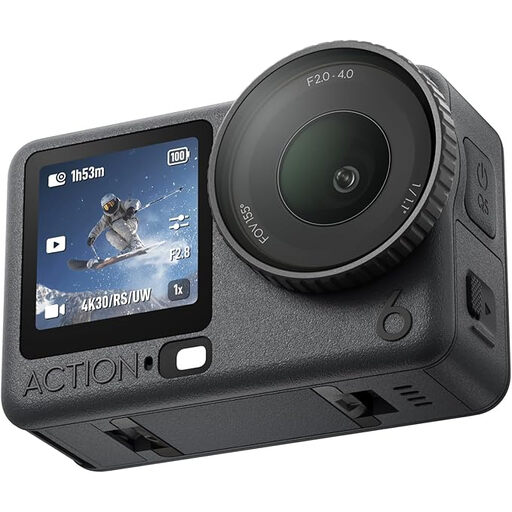
What makes it stand out: The Osmo Action 6 is a rugged and versatile 4K action cam designed for use in demanding conditions. Its variable aperture and large sensor enable high-quality footage in changing light, while the built-in storage and long battery life support extended recording sessions.
Advantages:
Who is it for? This model is ideal for action vloggers, travel bloggers, and athletes looking for a straightforward, durable, and waterproof camera for dynamic environments.
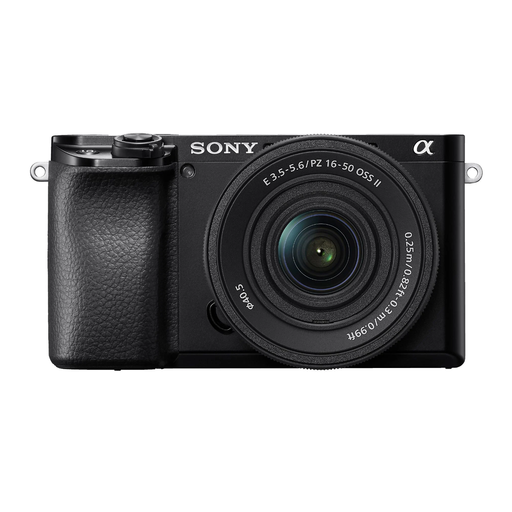
What makes it stand out: The Sony Alpha 6100 is a compact mirrorless camera for beginners that packs professional features into an accessible body. With its fast autofocus, large APS-C sensor, and the flexibility of interchangeable lenses, it's a powerful camera for content creators who need high-quality photos and videos.
Advantages:
Who is it for? Ideal for beginners in photography and vloggers who want a versatile camera with excellent image quality and the option to grow creatively with different lenses.
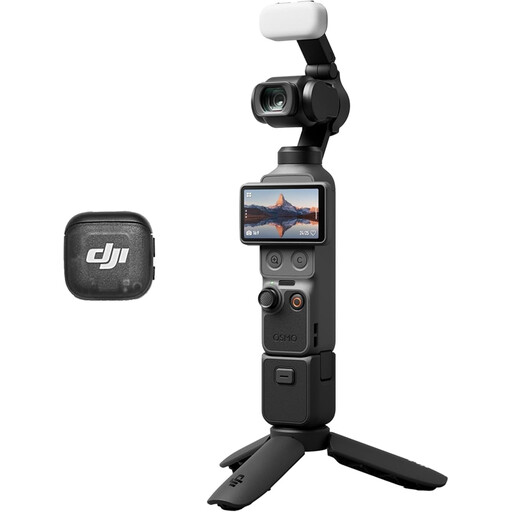
What makes it stand out: The DJI Osmo Pocket 4 is an ultra-compact gimbal camera that combines mechanical 3-axis stabilisation with a powerful 1-inch sensor. It's designed to deliver cinematic, smooth footage straight from your hand, all while fitting comfortably in your pocket.
Advantages:
Who is it for? Perfect for travel vloggers, filmmakers, and content creators who want an extremely portable solution for stabilised, high-quality footage and want to avoid bulky extra equipment.
The models featured here cover common use cases, but the camera market is diverse. If you're looking for more specific features or different camera types, you can find more models that might meet your needs in our comprehensive category.
Explore Our Full Range of Handheld Digital Cameras
While Full HD (1080p) is still sufficient for many viewers, a 4K camera for vlogging offers significant advantages. The higher resolution provides sharper images, offers more flexibility in post-production (e.g., for cropping or stabilising footage), and ensures your content will look great on future display devices.
The answer depends on your vlogging style. For static shots in a studio, image quality (sensor size, lens) is the priority. For vlogs on the move ("walk-and-talk," travel, sports), effective image stabilisation is crucial for creating videos that are smooth and professional-looking for the viewer. Ideally, a good camera for content creators offers a balance of both.
A camera with a flip screen (also known as an articulating or selfie screen) allows the vlogger to see themselves while recording. This is essential for controlling the framing, checking focus, and making sure you're in the shot. It significantly simplifies the entire self-recording process and is a core feature of a good YouTube camera.