
Lieferung heute & morgen

Qualitätsgarantie

Willkommens-Angebote freischalten: KOSTENLOSE Lieferung | Bis zu 80 % RABATT | Kostenlose 30-Tage-JoyPlus-Testphase
App herunterladen
A smartphone's video quality is often sufficient for everyday recording. However, for those creating content for platforms like YouTube, capturing unforgettable moments while traveling, or documenting sports activities, its limitations quickly become apparent. Shaky footage, poor audio quality, and inadequate low-light performance are common issues. A dedicated vlogging camera offers a specialized solution to these problems.
This guide serves as a roadmap. It introduces different camera types and explains the key technical features to help you make an informed purchasing decision based on facts, not marketing hype.
The right camera choice heavily depends on your intended use case. Three criteria are particularly important: image stabilization, form factor, and image quality.
An effective camera with image stabilization is essential for smooth, professional-looking videos. There are two main technologies:
For most vlogging applications, a mechanical gimbal delivers visibly superior results.
The form factor determines how and where you can use the camera.
While 4K is now the standard for a YouTube camera, resolution isn't the only factor for great image quality. Pay attention to the sensor size. A larger sensor (e.g., 1-inch) can capture more light, resulting in better footage at dusk and indoors, as well as less image noise. Features like 10-bit color depth also provide more flexibility for color grading in post-production.
Based on the criteria above, we've compiled a selection of models that meet the diverse needs of content creators.
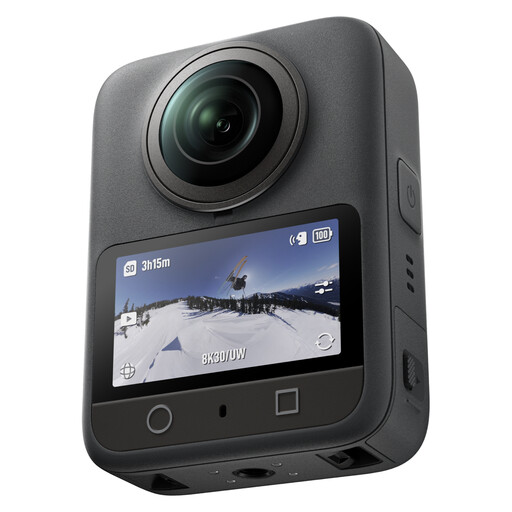
Why it stands out: This model combines the flexibility of a 360-degree camera with the image quality of a large 1-inch sensor. The ability to shoot native 8K 360° video offers exceptional detail and creative freedom in post-production. The "Invisible Selfie Stick" effect also creates stunning third-person perspectives with no visible mount.
Pros:
Who is it for? For content creators and travel enthusiasts who want maximum creative freedom and aim to captivate their audience with immersive 360-degree content or unique perspectives.
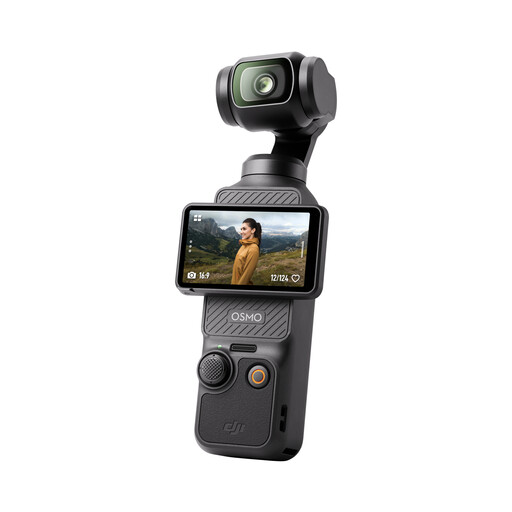
Why it stands out: The Osmo Pocket 3 is an extremely compact gimbal camera that delivers professional-grade stabilization in a pocket-sized form factor. Its mechanical 3-axis gimbal ensures incredibly smooth footage, while the 1-inch CMOS sensor guarantees high image quality. The rotatable 2-inch touchscreen simplifies framing for both horizontal and vertical videos.
Pros:
Who is it for? For vloggers, YouTubers, and travelers seeking a straightforward, highly portable solution for consistently stabilized, high-quality video.
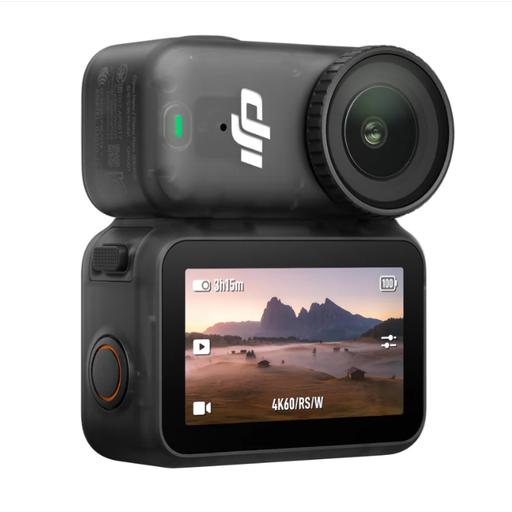
Why it stands out: The Osmo Nano redefines portability. With its extremely lightweight and magnetic design, it's engineered as a POV camera that can be discreetly attached to clothing or gear. Despite its tiny size, it delivers impressive performance for action and everyday shots with a 1/1.3-inch sensor and 4K/60fps video.
Pros:
Who is it for? For athletes, adventurers, and content creators who need an extremely small, discreet, and rugged 4K action cam for dynamic first-person perspective shots.
The cameras featured here cover a broad spectrum, but your needs might be very specific. If you're looking for models with different features or in another price range, you can find more options in our main category.
Explore our full selection of best video cameras for more models and matching accessories.
Yes, 4K resolution (3840 x 2160 pixels) has become the standard for high-quality video content on platforms like YouTube. It not only offers visibly higher detail but also provides more flexibility in post-production. For example, you can zoom in or reframe your shot without a significant loss in quality.
The lines can be blurry, but the focus is different. An action cam is primarily designed for durability, waterproofing, and a wide field of view for sports activities. A traditional vlogging camera often places more emphasis on features like a flip-out screen, better autofocus systems for faces, and higher-quality internal microphones. Models like the DJI Osmo series aim to combine the best of both worlds.
Image stabilization is one of the most important features that sets a dedicated camera apart from a smartphone. Shaky video is often perceived by viewers as unprofessional and jarring to watch. A good camera with image stabilization, whether through a mechanical gimbal or advanced electronic stabilization, ensures smooth and engaging footage, especially when you're moving while filming. This significantly contributes to the quality and success of your channel.