
Lieferung heute & morgen

Qualitätsgarantie

Willkommens-Angebote freischalten: KOSTENLOSE Lieferung | Bis zu 80 % RABATT | Kostenlose 30-Tage-JoyPlus-Testphase
App herunterladen
The search for the right vlogging camera can quickly become overwhelming. The market is flooded with technical specs, marketing promises, and a multitude of models, all claiming to be the perfect choice. However, it's often exaggerated marketing claims and unclear product descriptions that lead to bad purchases. Before you make a decision, it's crucial to understand the most common pitfalls that lead to disappointment.
Two of the most prevalent issues are the megapixel myth and misleading claims about image stabilisation. Many manufacturers advertise extremely high megapixel counts, which are often achieved through software interpolation and say little about the actual video quality. Similarly, "image stabilisation" is often promoted, but in practice, it's merely basic electronic image stabilisation (EIS). This crops the image and performs poorly during fast movements or in low light, resulting in unusable footage.
To make an informed decision, you should focus on a few crucial technical parameters. These determine whether a camera is truly suitable for your needs—be it for travel, sports, or as a digital camera for beginners.
High resolution is important, but quality depends on more than just the pixel count. Pay attention to the difference between native and interpolated resolution.
For vlogs where you're on the move, good image stabilisation is essential. There are significant quality differences here:
A good compact camera for vloggers should offer more than just great image quality. Look for the following features:
Based on these objective criteria, we have identified several models suitable for different user groups and budgets.
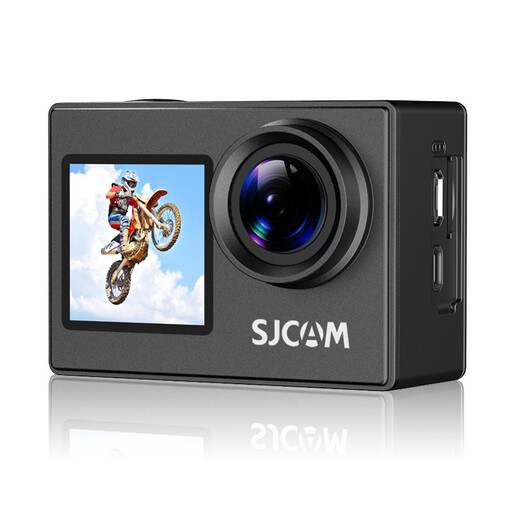
Why This Fits Their Persona: Ideal for teens and beginners looking for a straightforward, affordable camera. The dual-screen design simplifies selfies and vlogs, while the extensive accessory package allows for an immediate start without additional purchases.
This model bypasses hidden costs, as a 64 GB memory card and a waterproof case are already included. It offers solid 1080p performance at 60 fps, which is more important for beginners than an interpolated 4K resolution.
Comprehensive accessory package included; Dual-screen for easy framing; Compact and lightweight design.
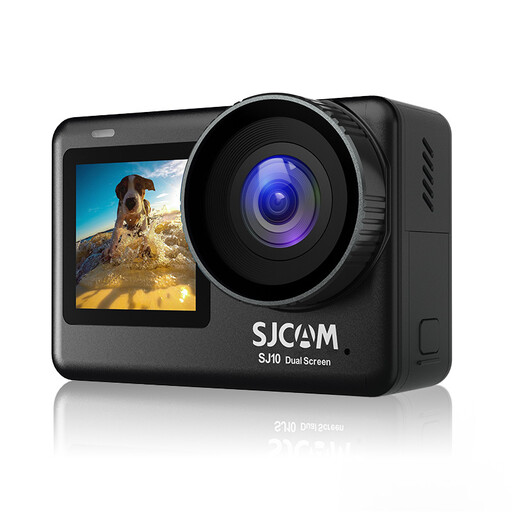
Why This Fits Their Persona: Designed for sports and outdoor enthusiasts who need a robust and powerful camera. The combination of native 4K resolution at 60 fps and advanced stabilisation makes it the choice for fast-paced action.
This model solves the problem of shaky footage with its 6-axis gyro stabilisation. It delivers significantly smoother video than basic EIS, even during intense activities like mountain biking or skiing.
Native 4K/60fps video recording; 6-axis gyro stabilisation; Waterproof up to 5 metres without a case.
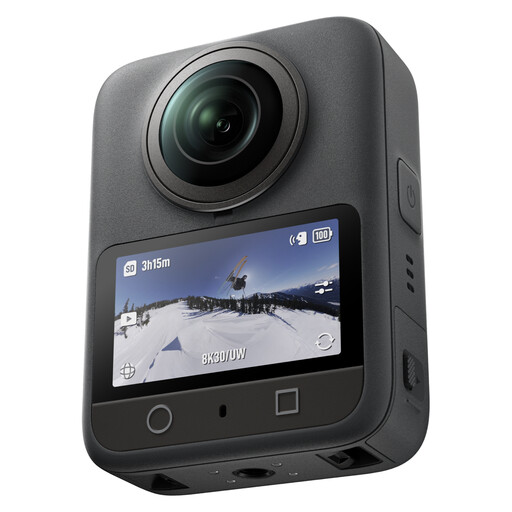
Why This Fits Their Persona: For vloggers and filmmakers who want to go beyond traditional formats and create immersive 360-degree content. Its high resolution and large sensor enable creative shots with excellent image quality, even in low light.
This model sidesteps the megapixel myth by combining a large 1-inch sensor with a high native 8K resolution. The large sensor is the decisive factor for its high image quality, especially in poor lighting conditions.
Native 8K/30fps 360° video recording; Large 1-inch sensor for great low-light performance; Invisible selfie stick effect.
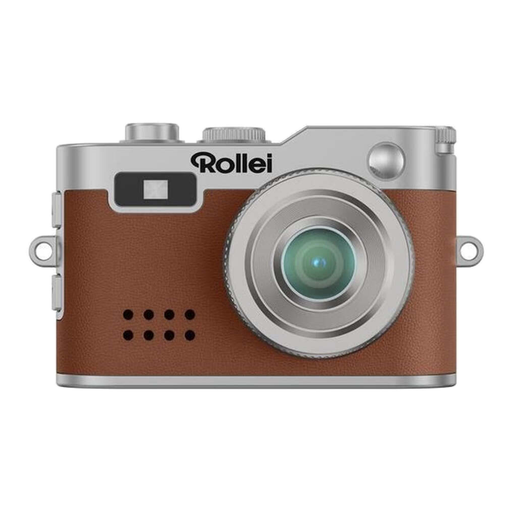
Why This Fits Their Persona: Perfect for anyone who wants an extremely small and lightweight camera for spontaneous snapshots and short video clips. Weighing just 18 grams, it fits on any keychain and is always ready to go without being a burden.
This camera doesn't try to compete with over-the-top specifications. It focuses on its main advantage: extreme compactness. It is honest about its capabilities (Full HD video, 2 MP photos), thus avoiding false expectations.
Extremely lightweight (18 g) and compact; 4-in-1 functions (photo, video, voice recorder, webcam); Includes USB-C adapter for direct smartphone transfer.
We've compiled a complete, up-to-date list of products that fully meet these strict selection criteria and relevant safety regulations.
Not necessarily. High-quality video in 1080p (Full HD) is perfectly adequate for most social media platforms and for getting started. However, a 4K camera offers more flexibility in post-production (e.g., for cropping sections of the image without losing quality) and makes your content more future-proof. Keep in mind, though, that 4K files require more storage space and a more powerful computer for editing.
Battery life varies greatly depending on the model, resolution, and usage. Compact action cams often provide a recording time of 70 to 90 minutes at 1080p. Models with larger batteries or external battery grips can last for several hours. For longer recording sessions, it's advisable to choose a model with swappable batteries or check for the ability to power it via a power bank.
The main difference lies in their intended use. An action cam is designed for durability, compactness, and wide-angle shots. It is often waterproof and features advanced image stabilisation for scenes with a lot of movement, making it the ideal sports camera. A classic compact camera might offer better optical zoom, more manual controls for photos, and a more natural focal length, but it is generally less rugged and not suited for extreme conditions.