
Lieferung heute & morgen

Qualitätsgarantie

Willkommens-Angebote freischalten: KOSTENLOSE Lieferung | Bis zu 80 % RABATT | Kostenlose 30-Tage-JoyPlus-Testphase
App herunterladen
Entering the world of vlogging can be exciting, but it can also be overwhelming. The market is flooded with cameras advertised with impressive numbers and technical jargon. However, not every expensive feature is necessary when you're starting out, and some budget-friendly deals quickly turn out to be poor investments. This guide will help you identify the essential features and steer clear of common purchasing traps.
Before we dive into recommended features, it's important to understand the marketing gimmicks that often lead to disappointment.
To make an informed decision, focus on the following technical parameters. These are the key determinants of your future camera for YouTube beginners's real-world usability.
Instead of making a one-size-fits-all recommendation, we have identified models tailored to specific user groups.
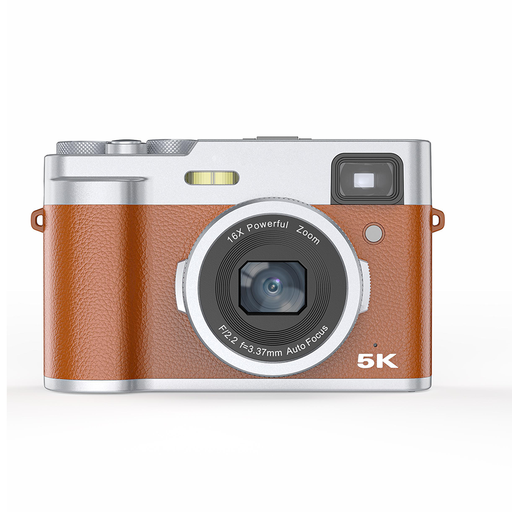
Why this model is a good fit: This retro digital camera is a great choice for students and anyone starting on a limited budget. It combines high video resolution with the most important vlogging features without breaking the bank.
The model features an external microphone port and autofocus, thus avoiding two of the most common shortcomings of budget cameras.
According to the manufacturer, it offers up to 5K video resolution and electronic image stabilisation, which is a solid feature set in this price class.
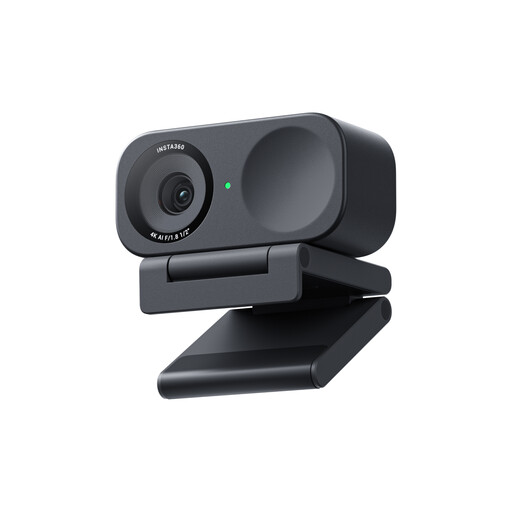
Why this model is a good fit: Ideal for content creators who primarily film at their desk, such as for tutorials, livestreams, or webinars. The AI-powered control allows for hands-free operation.
Features fast Phase Detection Autofocus (PDAF) and AI noise cancellation for audio, addressing the two main problems of image sharpness and sound quality.
According to Insta360, the large 1/2-inch sensor ensures high image quality even in low light, and the AI tracking automatically keeps the speaker in frame.
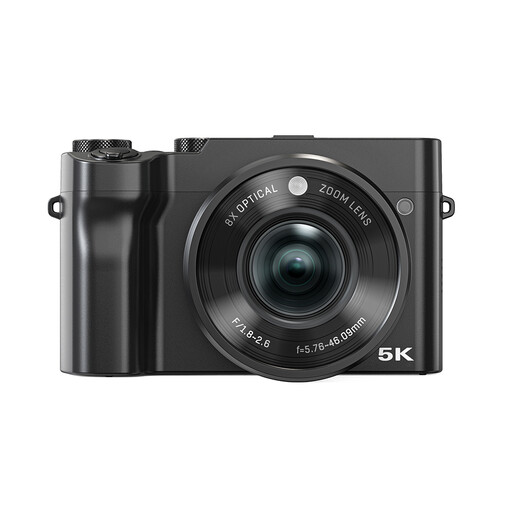
Why this model is a good fit: Perfect for vloggers who not only film themselves but also want to capture distant objects without loss of quality, for example, in travel vlogs or event coverage.
This model offers a true 8x optical zoom, thereby avoiding the quality loss associated with purely digital zoom. The electronic image stabilisation (EIS) also helps to reduce shaky footage.
The combination of optical zoom, 5K video resolution, and a touchscreen provides a level of creative flexibility that is not a given in this segment.
We have compiled a complete real-time list of products that fully meet these strict selection criteria and German safety regulations.
1. As a beginner, do I really need a 4K camera for YouTube? Although Full HD (1080p) is sufficient to start, 4K offers significant advantages. It allows you to zoom into the image or change the framing in post-production without losing sharpness. Furthermore, your content will be more future-proof. Since many affordable cameras now offer 4K as a standard, it's a worthwhile investment.
2. What is more important: optical zoom or a large sensor? This depends on your vlogging style. For dynamic vlogs where you often show your surroundings or distant objects (e.g., while travelling), an optical zoom is of great value. If you primarily film in a stationary indoor setting, especially in lower light conditions, a larger sensor will deliver visibly better image quality.
3. How much should a good, affordable vlogging camera for beginners cost? A functional budget-friendly vlogging camera with key features like 4K video and an external microphone port can often be found in the €100 to €300 price range. The exact price depends on additional features such as optical zoom, the quality of the image stabilisation, and the brand.