What should you look for?
First, consider how much the hall’s reverberation affects your recording. Then choose the microphone type, connection and any extra equipment you need to suit your recording device.
| Consideration |
What to check before buying |
Who it matters most to |
| Room echo and background noise |
Look for a cardioid pickup pattern and close mic technique; plan a test recording in the intended position. |
If I want the solo vocal to stand out in a reverberant hall, I look for a suitable mic position and a consistent distance from the microphone. Around 39% of consumers put room echo and background noise first. |
| Vocal detail |
Condenser microphones may suit quiet, controlled spaces, although room reflections may be more noticeable. |
If fine vocal detail matters to me and I can create a quiet recording space, I check whether a condenser microphone suits the room. Around 23% of consumers prioritise vocal detail. |
| Connection and recording equipment |
Check for a USB connection or an XLR input on your interface or mixer; if you choose a condenser model, check its power requirements. |
Before buying, I want to know whether the microphone will work with my computer or existing recording equipment. Around 23% of consumers see connection compatibility as a priority. |
| Complete setup |
Check what’s included against your existing equipment, and allow for any cables, stand or accessories you still need. |
If I want to put together a working recording setup, I check what equipment and accessories I’m missing as well as choosing a microphone. Around 15% of consumers prioritise the complete setup. |
Joybuy products for vocal recording
The Joybuy products below offer different ways to record speech and vocals. Pay particular attention to whether the connection and microphone type are right for close-up solo recording in a community hall.
 No image available
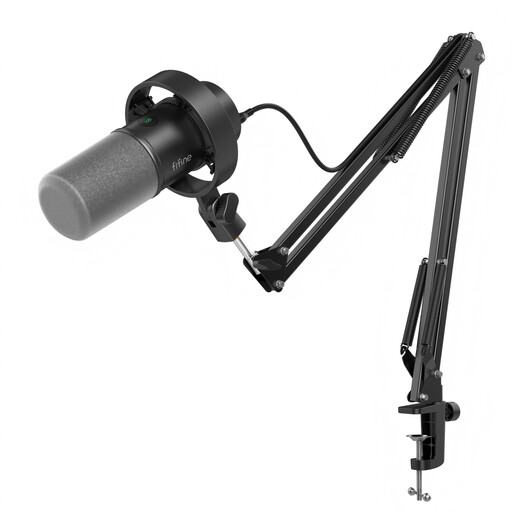
FIFINE K688CT podcast microphone kit, USB/XLR
For close-up vocal recording when you want the choice of USB or XLR connection.
Described as a cardioid dynamic microphone, with a recommended speaking distance of 2–6 inches. The description says an XLR cable isn’t included for XLR use; the clamp fits desks under 2 inches thick.
View at Joybuy
 No image available
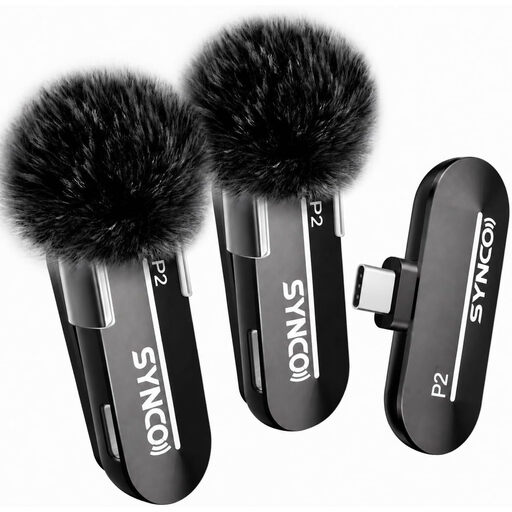
SYNCO P2XT USB-C wireless microphone
An option for speech recording if a wireless lavalier system and USB-C receiver suit your planned setup.
The description lists Type-C Android devices with OTG as a possible use. Check that your recording device supports the receiver and that a lavalier system is suitable for your vocal recording.
View at Joybuy
 No image available
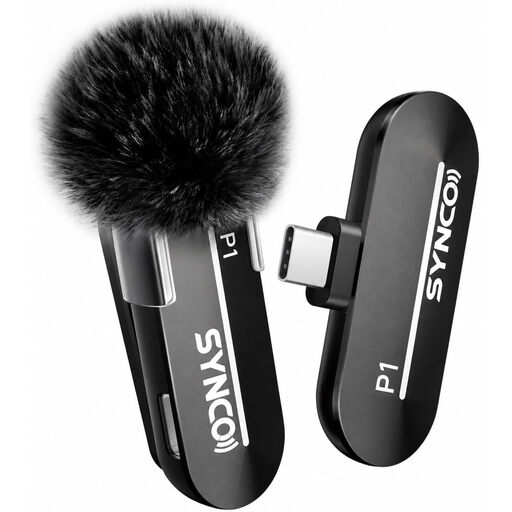
SYNCO P1XT USB-C wireless microphone
For speech recording with a wireless connection, provided a lavalier system suits your recording needs.
Described as a USB-C wireless microphone with a lavalier system. The product description lists Type-C Android devices with OTG as a connection option; check compatibility with your specific recording device.
View at Joybuy
 No image available
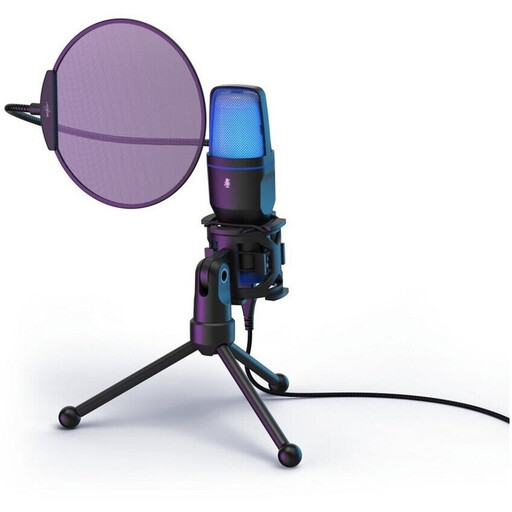
uRage Stream 410 HD gaming microphone
Only suitable if you want to record sound from all directions; its pickup pattern makes it less suitable for focusing on a solo vocal in a reverberant hall.
Described as a USB condenser microphone with omnidirectional pickup. The product description also lists a stand and pop filter.
View at Joybuy
Frequently asked questions
Will a sensitive studio microphone automatically reduce echo in a community hall?
No. A condenser microphone can capture fine vocal detail, but it may also pick up reflections from an untreated room. Before choosing a microphone type, compare test recordings made with suitable microphone positioning in as quiet a hall as possible.
What should I check before connecting an XLR microphone?
Check that your interface or mixer has a suitable XLR microphone input and can provide the power required by the specific model. According to AKG, the AKG P120 requires 44–52 V; with the SM7B, the available preamp gain is particularly important. Alternatively, you can connect the RØDE NT1 5th Generation to a computer via USB-C.
How should I position the RØDE NT1 5th Generation for a test recording?
For this side-address microphone, RØDE marks the front with a gold dot. Point this side towards the voice and use the pop filter specified for the model.
Who should I contact if there’s a fault?
Under statutory consumer rights, the seller is generally responsible, not automatically the manufacturer. The Verbraucherzentrale distinguishes statutory consumer rights from a manufacturer’s guarantee; before buying, check who the seller is and what guarantee terms apply.
Can I record other people’s conversations or someone else’s performance?
It depends on what is being recorded. Under § 201 StGB, recording another person’s non-public spoken words without authorisation is covered; under § 77 UrhG, a performing artist has the exclusive right to record their performance on a sound carrier. If other people or performances are involved, check that you have the necessary permission before recording.


