If you can hear echo in your room, a directional dynamic microphone used at a close, consistent distance is a sensible starting point. However, it won’t remove room reflections that have already been picked up: Shure explains that a microphone can’t separate direct sound from reflected sound after recording. If subtle vocal detail is your priority and you can control the microphone position and room, a condenser microphone is also worth considering. Audio-Technica notes that it can pick up room reflections too. Connectivity, the amplification you’ll need and any accessories should also factor into your decision.
Which microphone setup is right for you?
Singers recording in a room with noticeable echo
If you’re recording alone in an untreated room, aim to keep the microphone close and in a consistent position, and listen out for how much room sound you can hear in a test recording. Shure and Audio-Technica both highlight microphone position and room reflections as important factors.
Beginner singers without an audio interface
If you want to record on your computer, compare a direct USB connection with an XLR setup, which requires a suitable interface or mixer. Audio-Technica and RØDE offer both USB and XLR options in their ranges.
Singers focused on vocal detail
If you can control the microphone position and, ideally, the room too, a condenser microphone may be worth considering. Audio-Technica and RØDE describe some of their condenser models as suitable for vocal or studio use. Room reflections are still a factor to weigh up.
Which buying criteria matter?
First, consider how you assess echo and background noise in your recording position. Then check whether USB or XLR fits your existing recording setup. Where possible, compare microphones using the same vocal passage, position and surroundings.
| What matters |
What to check before buying |
Who this matters most to |
| Room sound and background noise |
Directional pickup pattern, a stable stand and a pop filter; check the sound at a consistent distance. |
If I’m recording in an untreated room, I want to get a better sense of how much of my voice is coming through directly. Around 36% of consumers prioritise room sound. |
| Connectivity and recording setup |
USB connection to a computer or XLR input on a suitable interface or mixer; check monitoring and cables too. |
If you want to start recording on a computer without a separate interface, pay close attention to how the microphone connects and how you’ll monitor your recording. Around 29% of consumers prioritise connectivity and setup. |
| Vocal sound |
Compare using the same vocal passage and setup; assess sound switches only for the specific model you’re considering. |
If the way my voice sounds matters more to me than having the simplest connection, I compare recordings made under the same conditions. Around 21% of consumers prioritise vocal sound. |
| Setup effort |
Check what’s included and what equipment you already have for the specific model, including an interface, cables, stand and pop filter. |
If you want to keep extra equipment to a minimum, check what else you’ll need to complete your recording setup before you buy. Around 14% of consumers prioritise the effort involved in setting everything up. |
Which assumptions should you avoid?
-
‘Dynamic’ doesn’t mean ‘echo-free’
Even a directional microphone picks up reflections that reach it. Its design alone can’t guarantee an echo-free vocal recording.
Experiment with position and distance, and assess test recordings made under comparable conditions.
-
Don’t choose an XLR microphone without considering the rest of the signal chain
Depending on the model and your existing equipment, you may need an interface or mixer, suitable cables and enough amplification. Shure recommends around +60 dB of clean gain for the SM7B; the SM7dB’s preamp requires +48 V phantom power when in use.
Check the signal chain and what’s included with the exact model variant before making your decision.
-
Don’t assume a voice microphone will suit every singing voice
Audio-Technica positions the AT2040 and RØDE positions the PodMic USB mainly for voice and content creation. That alone doesn’t tell you whether their sound and positioning will suit your voice and music.
Compare vocal recordings and check the applicable returns policy before committing to a particular sound.
Notable microphone brands and ranges
Shure
The range includes dynamic vocal microphones such as the SM58, as well as XLR models designed for close-up use in a fixed position, such as the SM7B and SM7dB.
- Shure lists a built-in pop filter for the SM58. The SM7B has switches for bass roll-off and presence boost.
- Shure recommends around +60 dB of clean gain for the SM7B. The SM7dB’s built-in preamp requires +48 V phantom power when in use.
Audio-Technica
The range spans the dynamic XLR AT2040, the AT2040USB and the AT2020 XLR condenser microphone.
- The AT2040USB is designed to connect directly to a computer. The AT2020 is an XLR option for vocal recording.
- The manufacturer describes the AT2040 and AT2040USB mainly for podcasts and other spoken-word projects, so check how they sound with your singing voice. The AT2020 requires an XLR cable, which the product page says is sold separately.
RØDE
The PodMic USB is a dynamic USB/XLR model for spoken-word projects. The NT1 5th Generation is a USB/XLR condenser microphone for studio use, including vocals.
- RØDE lists headphone monitoring and an external pop filter for the PodMic USB. According to the manufacturer, the NT1 5th Generation comes with a shock mount, pop filter, and USB and XLR cables.
- A detailed condenser microphone won’t make room reflections inaudible. So, when considering the NT1 5th Generation, check how your room and microphone position sound in your recording too.
Sennheiser
The e 835 is a dynamic XLR vocal microphone that may also suit buyers looking for a microphone for both live performances and recording.
- Sennheiser describes the e 835 as having a cardioid pickup pattern and a relatively consistent sound when the distance changes.
- These features don’t make it universally better for recording in an untreated room; your specific setup still matters.
Joybuy microphone options for vocal recording
The Joybuy options below include dynamic USB/XLR microphones and USB or 3.5 mm condenser setups described in their product names as suitable for vocal recording or singing. Match the connection and setup to your recording workflow; no microphone will automatically make room reflections inaudible.
 No image available
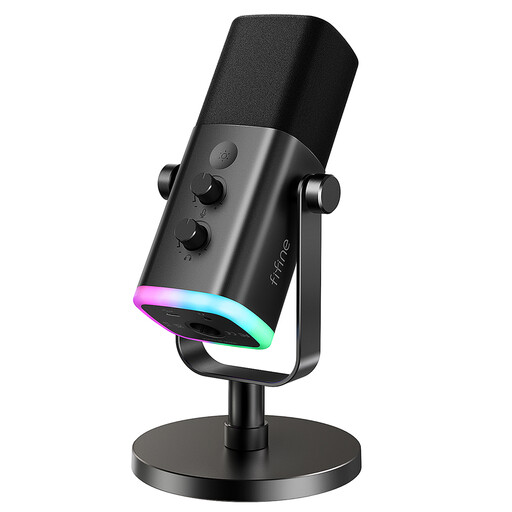
FIFINE AM8 dynamic USB/XLR microphone
The product name lists vocal recording as a use, and USB and XLR offer two connection options. According to the product details, an XLR cable is required separately for an XLR connection.
View at Joybuy
 No image available
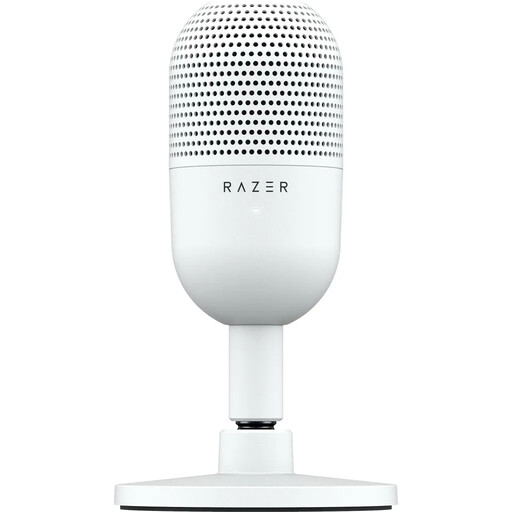
Razer SEIRÉN V3 MINI, White
This compact USB microphone is described as suitable for use on a computer and desk. A condenser microphone can still pick up room reflections, so check how it sounds in your own recording position.
View at Joybuy
 No image available
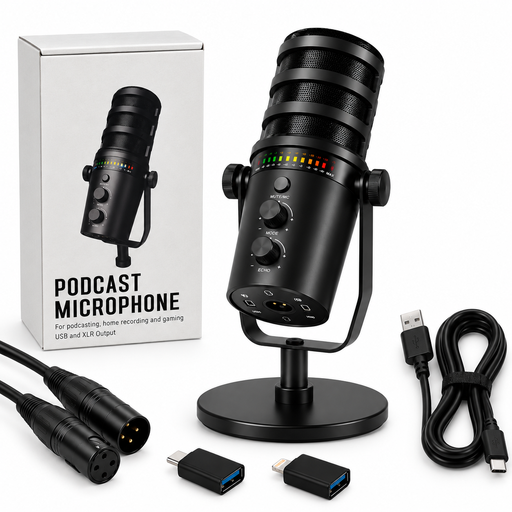
Dynamic USB/XLR microphone set with RGB lighting
The product name lists USB, XLR and a desk stand. Check whether the USB connection is compatible with your computer, or whether you have a suitable interface or mixer for the XLR connection.
View at Joybuy
 No image available
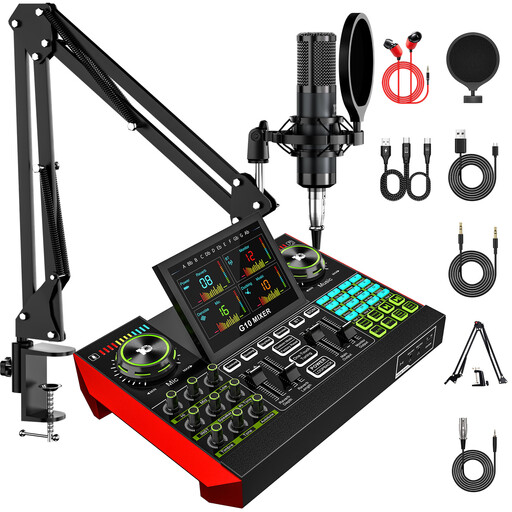
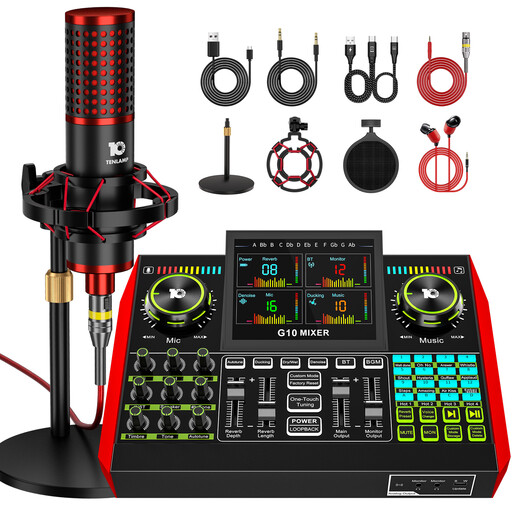
Yinkaer G10-P15-XB microphone kit
The kit lists a 3.5 mm condenser microphone and an audio mixer for singing. Before buying, check that the connections are compatible with your computer or mobile device.
View at Joybuy
 No image available
Yinkaer G10-P17 microphone kit
The product name lists a 3.5 mm condenser microphone and an audio mixer for singing. Assess the kit with a test recording: effects or a noise reduction feature don’t prove that room echo will disappear.
View at Joybuy
Frequently asked questions
Will changing my microphone alone reduce echo in my room?
No. A microphone can’t separate your direct voice from reflections that have already reached it. Shure recommends considering microphone position and distance. Compare test recordings made with the same position and speaking distance.
Can I plug any XLR microphone straight into my laptop?
A typical XLR recording setup requires a suitable audio interface or mixer. Also check the requirements of the specific model: Shure recommends around +60 dB of clean gain for the SM7B; the SM7dB’s preamp requires +48 V phantom power when in use.
What should I consider when setting up and looking after my microphone?
When making test recordings, keep your distance and angle to the microphone as consistent as possible, check for plosive sounds and make sure the microphone is securely mounted. A pop filter won’t improve your room acoustics; store the microphone according to the guidance for your specific model.
What are my rights if a product is faulty after purchase in Germany?
Your statutory rights are against the seller and are separate from any voluntary manufacturer’s warranty. According to information from Verbraucherzentrale, if a product is faulty, you can first ask the seller to put things right by repairing or replacing it.


