
Lieferung heute & morgen

Qualitätsgarantie

Willkommens-Angebote freischalten: KOSTENLOSE Lieferung | Bis zu 80 % RABATT | Kostenlose 30-Tage-JoyPlus-Testphase
App herunterladen
Anyone looking to buy vodka is often faced with a vast selection—both online and in-store. The range extends from well-known brands like Absolut Vodka and Gorbatschow to niche products in elegant bottles. However, behind the marketing often lie pitfalls that can lead to an unsuitable purchase. Instead of being swayed by shiny labels, an objective look at the facts will help you find the right bottle for your intended purpose—whether for your home bar, the next party, or as a base for cocktails.
This guide highlights the crucial criteria and shows you how to avoid common purchasing traps.
To make an informed decision, you should check two or three core parameters instead of relying solely on the brand name.
The base ingredient significantly shapes the vodka's character.
These two processes determine the purity and smoothness of the vodka.
The choice of size depends on the occasion.
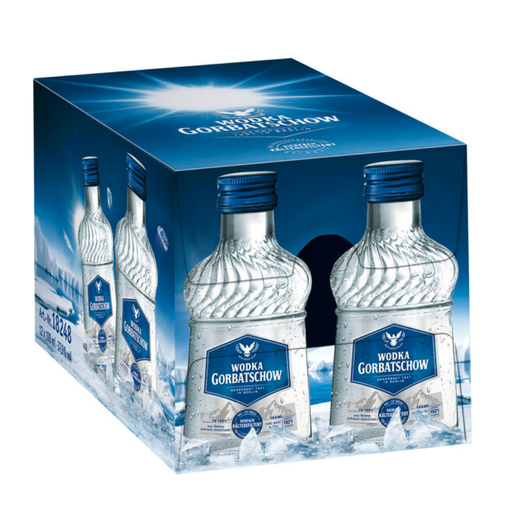
Why This Fits Their Persona: Perfect for parties where straightforward long drinks are on the menu. The small vodka bottles are conveniently portioned, hygienic, and simplify making mixed drinks like vodka lemon or vodka energy.
This product is clearly positioned as a reliable base for mixed drinks, not as a complex sipping vodka. It avoids the pitfall of choosing an overpriced 'premium' vodka for a simple purpose.
According to the manufacturer, its quadruple chill-filtration process ensures a pure and mild taste. The practical 0.1L bottles are ideal for easy measuring.
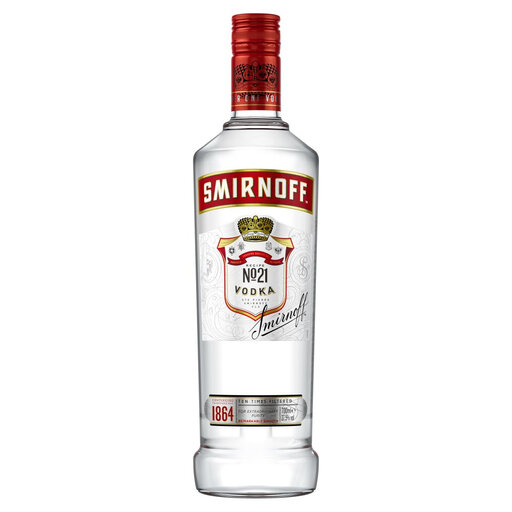
Why This Fits Their Persona: As one of the world's most-used vodkas in bars, Smirnoff is a dependable choice for cocktails. Its clean, neutral profile allows the other ingredients in the drink to shine, whether in a Moscow Mule or an Espresso Martini.
Smirnoff focuses on the essentials: purity. Instead of advertising with a vague premium promise, it delivers consistent quality based on a defined production process (triple distillation, ten-stage filtration).
The vodka is triple-distilled from a grain blend and filtered ten times through charcoal. This results in an exceptionally pure and smooth taste.
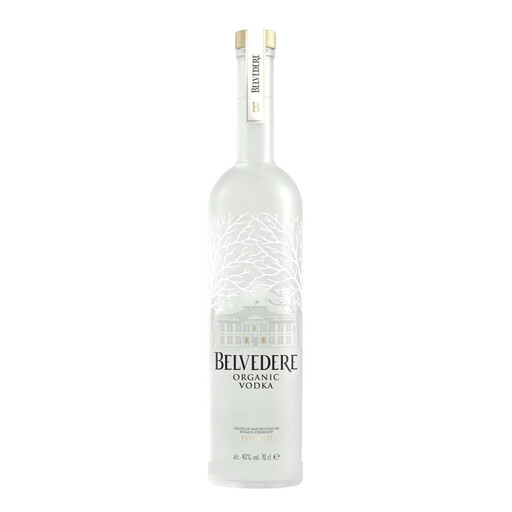
Why This Fits Their Persona: For anyone seeking a premium vodka with character. Belvedere is made from 100% Polish rye and has a complex flavour profile with notes of vanilla and spice. Its elegant bottle also makes it an attractive gift.
Here, the premium claim is substantiated by concrete facts: the use of a single, high-quality ingredient (Polish rye) and a defined, quadruple distillation process. The price reflects the production effort.
The rye's characterful taste makes it ideal for sipping neat over ice or as a dominant component in a classic Vodka Martini. According to the manufacturer, it contains no artificial additives.
We have compiled a complete, up-to-date list of products that fully meet these strict selection criteria and all applicable regulations.
A vodka intended as a base for a wide variety of cocktails should ideally have a neutral and smooth flavour profile. Varieties made from wheat or grain blends that have been multiply distilled and filtered are often a good choice. They don't overpower the other ingredients and harmonise well with them. For this reason, brands like Absolut Vodka or Smirnoff No. 21 are standard in many bars.
An unopened bottle of vodka should be stored upright in a cool, dark place to maintain its quality long-term. After opening, it's important to reseal the bottle tightly. It can be kept at room temperature, but many prefer to store it in the refrigerator or even the freezer. The cold makes the vodka's texture more viscous and its taste milder, which is especially appreciated when sipping it neat.
Distillation is the process of heating the alcoholic liquid to separate the alcohol as vapour from water and other substances. This vapour is then collected and condensed back into a liquid. Each of these cycles increases the purity and alcohol content. Multiple distillations aim to remove as many unwanted flavour and aroma compounds, known as fusel oils, as possible. The result is typically a purer and smoother vodka.