If your main priority is keeping one person’s story clear, a voice recorder is a sensible place to start; check its battery life in the recording format you plan to use. If you also want to capture several voices and the atmosphere of the club, consider a stereo handheld recorder. When recording outdoors, microphone placement, wind protection and having power and storage ready are all crucial: 32-bit float alone won’t guarantee a clear recording.
Who are these recorder types suited to?
Chronicler of long club conversations
If you want to record a longer story with as few interruptions as possible, check the battery life and storage capacity for the file format you intend to use. Philips Dictation quotes up to 36 hours for the DVT4110 when recording MP3 at 8 kbit/s; Sony Germany lists 4 GB of internal storage for the ICD-UX570.
Interviewer at the sports ground
If you need individual voices to remain clear despite wind and background noise, microphone placement and suitable wind protection are important things to consider. Shure explains that air movement around a microphone causes wind noise.
Collector of club atmosphere
If you want to capture several voices and the sounds around you as well as people’s memories, check whether the microphone arrangement suits your recording needs. Zoom lists X/Y microphones on the H1essential; Tascam Europe describes the DR-05XP as having built-in stereo microphones.
What should you look for when choosing?
Voice recorder with internal storage
A good fit if: your main priorities are recording one person speaking while seated and getting started easily.
The trade-off: The stated battery life applies to specific recording conditions and formats, not necessarily to the long take you have planned.
Stereo handheld recorder
A good fit if: you want to record the conversation alongside the atmosphere of the club, or plan to use an external microphone.
The trade-off: A wider recording isn’t automatically the clearest option for one voice; microphone placement and wind protection still matter.
| What you need |
What to check before buying |
Who is this particularly important for? |
| Long recording |
Check the battery life and available storage for the format you’ll actually use. |
If I want to record a longer conversation about the club without interruption, I’ll check the battery life and storage capacity for the format I plan to use. Around 40% of consumers give uninterrupted long recordings top priority. |
| Clear voice outdoors |
Check the microphone placement and suitable wind protection for the specific microphone. |
If you want to capture someone’s story clearly at the sports ground, pay particular attention to the setup and wind protection. Around 40% of consumers put speech clarity outdoors first. |
| Voices and club atmosphere |
Check the microphone arrangement and, if needed, the connection for an external microphone. |
If you want to hear several voices and the sounds of the club alongside the story, the microphone arrangement is crucial. Around 20% of consumers prioritise this atmosphere. |
Avoid common misconceptions
-
The longest quoted battery life applies to every recording format
Philips quotes up to 36 hours for the DVT4110 specifically when recording MP3 at 8 kbit/s. This isn’t a general battery-life guarantee for PCM or other settings.
Compare the battery life and storage requirements for the format you actually plan to use.
-
A handheld recorder is ready to use without a memory card
The Zoom H1essential cannot record or play back audio without a microSD card inserted.
Check what’s included and whether your card is compatible, then test it before the conversation.
Depending on what’s included, you may need to buy a compatible microSD card separately.
-
32-bit float prevents wind noise
Recording mode is no substitute for suitable microphone placement or wind protection. Shure explains that wind noise is caused by air movement around the microphone.
Plan your setup and wind protection for the actual recording location and microphone you’ll be using.
Depending on your setup, you may need a windscreen that’s compatible with your microphone.
Key brands at a glance
Zoom
The H1essential is a compact stereo handheld recorder with built-in X/Y microphones.
- Zoom lists 32-bit float recording.
- According to the Zoom user manual, the device cannot record or play back audio without a microSD card inserted. The technical specifications don’t guarantee a particular level of clarity in windy conditions.
Tascam
The DR-05XP is a handheld alternative with built-in stereo microphones for conversations and ambient recordings.
- Tascam Europe lists a 32-bit float mode and one-handed operation.
- These manufacturer specifications don’t guarantee a particular level of speech clarity at a sports ground.
Philips VoiceTracer
The DVT4110 is a voice recorder for longer stories, with internal storage and a choice of recording formats.
- The technical documentation lists 8 GB of internal storage, MP3/PCM and a microphone input.
- The battery life of up to 36 hours quoted by Philips Dictation applies to MP3 at 8 kbit/s, not PCM in general.
Sony
The ICD-UX570 is a compact option for voice recordings, with internal storage.
- Sony Germany lists 4 GB of internal storage, PCM/MP3 and USB charging.
- This doesn’t tell you how long the battery will last in your chosen format, or whether it will sound better than a handheld recorder.
Joybuy products for recording conversations
The products below are described as voice recorders for longer conversations. For a long take, pay particular attention to the quoted battery life and storage capacity, as well as the features you’ll need at the recording location.
 No image available
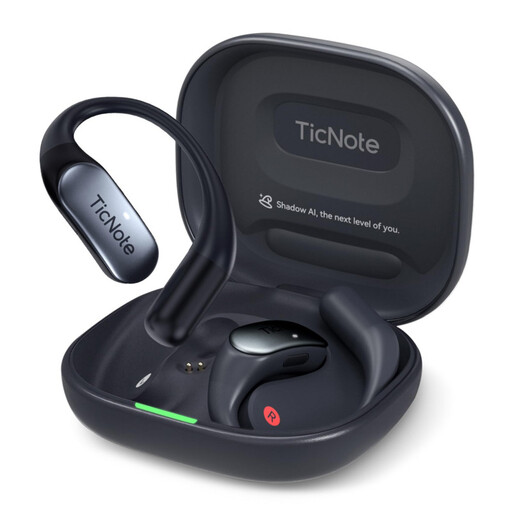
Mobvoi TicNote Pods 4G AI Voice Recorder
For longer conversations; the product specifications quote 20–25 hours of continuous recording.
Joybuy
 No image available
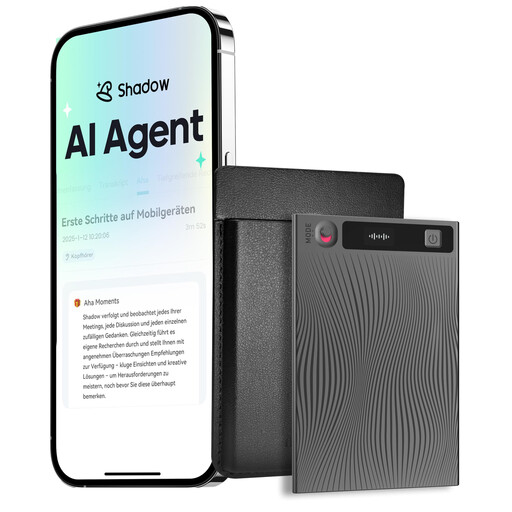
Mobvoi TicNote Standard AI Voice Recorder, 3-Mic Array
For recording conversations when the listed formats and voice-activated recording feature are important to you. The product specifications list MP3 and WAV, as well as voice-activated recording.
Joybuy
 No image available
Digital Voice Recorder with transcription function, 64 GB
For longer conversations when you’d like a transcription feature. The product specifications list 64 GB and up to 480 hours of audio recording capacity.
Joybuy
 No image available
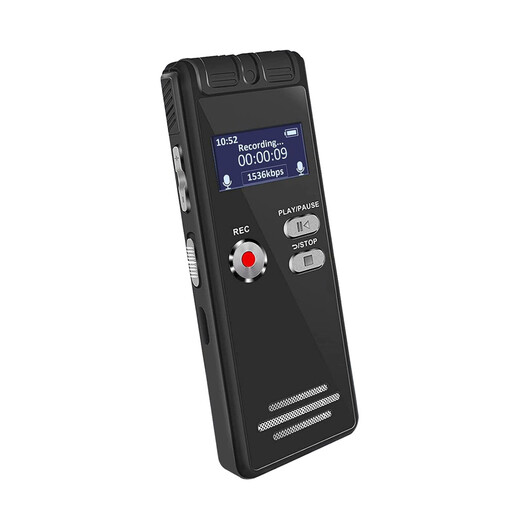
Rexsun L15 Portable Digital Voice Recorder, 16 GB
For longer conversations; the product specifications quote up to 22 hours of continuous recording and a 16 GB TF card.
Joybuy
Frequently asked questions
How do I prepare for a long take?
First, choose your recording format and check that you have enough free storage and power. The H1essential needs a microSD card to be inserted; the battery life of up to 36 hours quoted by Philips Dictation for the DVT4110 applies specifically to MP3 at 8 kbit/s. Making a short test recording at your chosen location will help you check your setup.
Does 32-bit float help with wind at the side of the pitch?
No. 32-bit float is a recording mode, not wind protection. Shure explains that air movement around a microphone causes wind noise. So check that you have a windscreen suited to your microphone, and plan your setup at the recording location.
What additional equipment should I check before buying?
Check the specific product to see whether it includes the memory card, power supply and suitable wind protection you’ll need for your setup. The Zoom H1essential needs a microSD card to be inserted for recording.
Can I simply record and share other people’s memories in Germany?
No, there’s no blanket permission to do so: § 201 StGB makes it a criminal offence to record other people’s private conversations without authorisation, as well as certain forms of sharing those recordings. Make sure you have permission before recording conversations of this kind. You’ll also need a valid legal basis under data protection law to process recordings containing personal data. Whether a particular conversation is public or private, and whether you can publish it later, depends on the circumstances. The Federal Ministry of Justice and the Federal Office of Justice provide the text of the law; the Federal Commissioner for Data Protection and Freedom of Information explains consent as a legal basis under data protection law.


