Family history recorders
You want to capture a personal conversation with minimal setup, prioritising clear speech and simple controls over extra production features. OM SYSTEM lists a simple operating mode for the WS-883.


For a seated conversation with a former miner, a basic voice recorder may be enough if a test recording captures their voice clearly and there is sufficient storage and power for the whole interview. If the microphone cannot be positioned well, you want to record both speakers separately, or you plan to edit the recording afterwards, consider a handheld recorder or a suitable external microphone. Extra equipment takes more time to set up and requires compatibility checks. In Germany, you must establish that you are authorised to record before the interview: Section 201(1) of the German Criminal Code (StGB) covers the unauthorised recording of privately spoken words.
You want to capture a personal conversation with minimal setup, prioritising clear speech and simple controls over extra production features. OM SYSTEM lists a simple operating mode for the WS-883.
You’re planning longer interviews that you’ll review later, so you’ll need to consider microphones, file management and how the recording will be used. Oral-History.Digital covers topics including recording equipment, media formats and consent.
If you can’t position the recorder well between the people seated together, or you want to capture both voices separately, a suitable external microphone becomes more important. A publication by Freie Universität Berlin recommends using separate clip-on microphones for the interviewee and interviewer where possible for more involved oral history recordings.
Start with a test recording from the seat where the interview will take place. If the built-in microphones don’t capture the speaker clearly from that position, then consider changing the setup or using a compatible external microphone.
| What matters | What to check before buying | Who it matters most to |
|---|---|---|
| Clear speech | Make a test recording from the intended seat; check the microphone position and, if needed, the microphone input. | If I want to understand the story clearly later, I test the voice in the actual room rather than relying on a format specification alone. Around 39% of consumers put clear speech first. |
| Long, uninterrupted recording | Check available storage, power supply and recording time in the chosen format. | If I don’t want the conversation interrupted by full storage or flat batteries, I check the recording time against the planned format and interview length. Around 23% of consumers make this their main priority. |
| Easy operation without distractions | Try the record button, display and menu in advance; make a complete test recording. | If I’m interviewing on my own, I want to be able to tell when recording has started and check its status without repeatedly interrupting the conversation. Around 23% of consumers prioritise ease of use. |
| Reviewing files later | Check the supported formats, connection and transfer method for your planned storage setup. | If I want to transcribe or archive the recording later, I need a clear way to transfer and find the files. Around 15% of consumers prioritise reviewing and keeping their recordings for later. |
The format or input alone won’t tell you whether the speaker will be recorded clearly from the intended seat. Freie Universität Berlin recommends choosing a quiet location to avoid distracting background noise.
Listen to a test recording made with the actual seating arrangement before choosing any extra microphone equipment.
For the Sony ICD-PX470, Sony’s stated maximum L-PCM recording time of 5 hrs 20 mins applies specifically to 44.1 kHz/16-bit recording; other modes may offer different recording times.
Check the format, available storage and power supply on the specific device for the planned session.
The ICD-PX470 is a voice recorder for straightforward recording, with an external microphone input that may come in handy.
The WS-883 offers a simple operating mode, internal storage and direct USB transfer.
The H1essential is a handheld recorder to consider if a tripod setup, built-in X/Y microphones or a suitable clip-on microphone works for your interview setup.
The DR-05XP is a handheld option for users who want to choose recording formats and may want to connect an external microphone.
This selection of Joybuy products includes voice recorders and other devices for recording conversations. For each model, check whether the microphone position, controls and file transfer suit a seated oral history interview.
 No image available
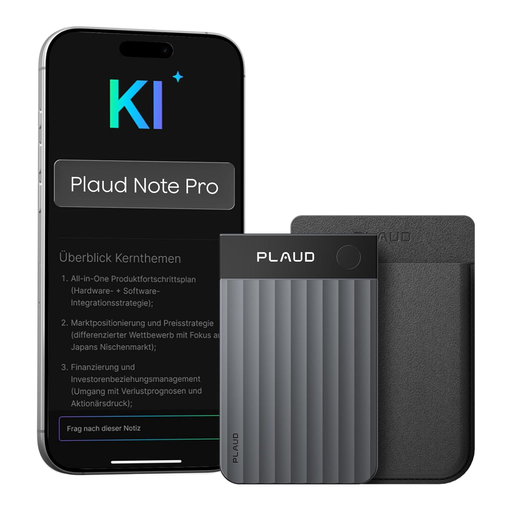
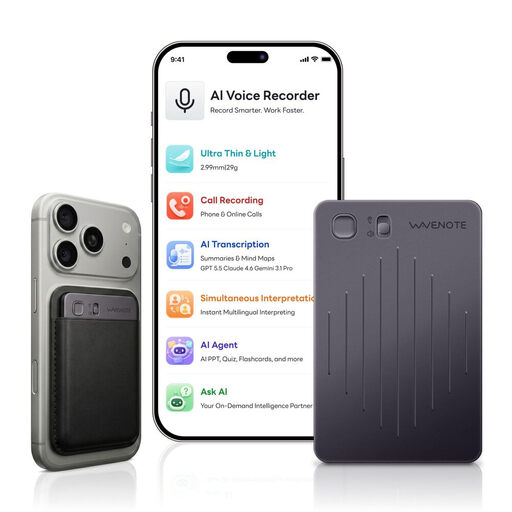
This could be a good fit if you want to record a conversation and transcribe it afterwards. First, check how the recording and transcript will fit into your workflow.
The product information lists four MEMS microphones, 64 GB of storage, USB-C and 300 transcription minutes per month. Check whether the stated allowance will cover your planned use.
 No image available
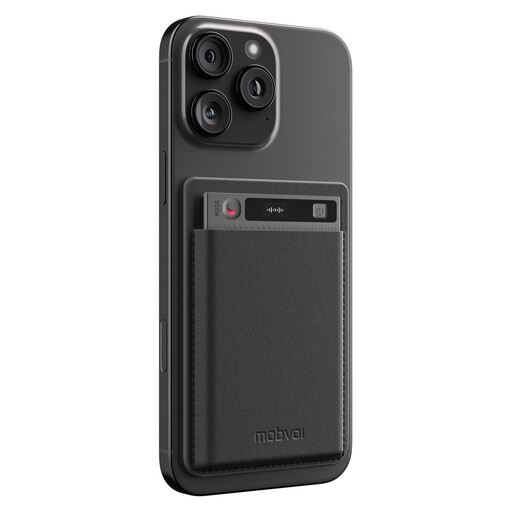
This may be worth considering for an interview if you want to use transcription and summaries as well as recording.
The product information lists 4 GB of storage, a triple-microphone system, transcription and summaries. Beforehand, check whether the associated services and handling of conversation data are suitable for your project.
 No image available
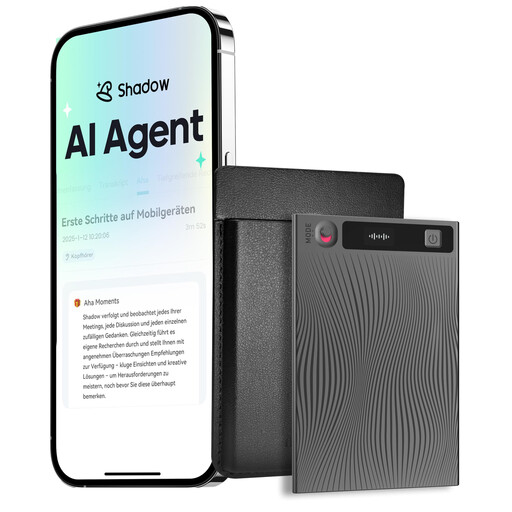
This could be a good fit if you want to explore recording and then reviewing files as part of a single workflow.
The product information lists a 3-microphone array, 64 GB of storage, Wi-Fi and Bluetooth synchronisation, and 20 hours of recording time. Plan the power supply for the whole conversation and check the transfer method in advance.
 No image available
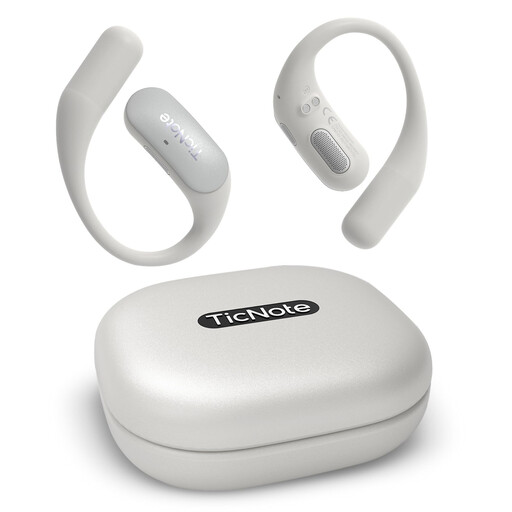
This is a different type of device from a tabletop or handheld recorder. Only consider it if the recording setup is suitable for a seated interview.
The product information lists 32 GB of storage and MP3 and WAV export. According to the description, external audio recording via the charging case is designed for use when the earbuds aren’t being worn. Check the controls and microphone position for your interview setup.
 No image available
This could work well for storing and reviewing recordings later if WAV files and a companion app suit your workflow.
The product information lists 64 GB of storage, WAV recording and a USB-C connection. According to the description, an app is used for synchronisation and speaker identification; check that this workflow is right for your interview.
Make a test recording with everyone in their intended seats, then listen back to it. Also check the batteries or power supply and, if possible, choose a quiet location. The Library of Congress recommends testing the equipment and microphones before starting its interview project. This is practical advice, not a requirement under German law.
No. What matters is whether the voice is recorded clearly in your planned setup. For more involved oral history recordings, a publication by Freie Universität Berlin recommends using separate clip-on microphones for the interviewee and interviewer where possible. This isn’t essential for every family conversation.
Section 201(1) of the German Criminal Code (StGB) covers the unauthorised recording of another person’s privately spoken words. Make sure you are authorised to record before the conversation; don’t assume that permission to make the recording automatically includes permission to share it later. The provision is published by the Federal Ministry of Justice on its “Laws Online” website.
Discuss these uses separately with the person you’re interviewing. Where data protection law applies to the processing of personal data, you need a legal basis. If you rely on consent, it should be informed, freely given and tied to specific purposes. The precise data protection position depends, among other things, on who is responsible for the project and how the recording will be used.
When you buy from a business seller, statutory rights should be distinguished from a voluntary guarantee. According to EU consumer information, you are generally entitled to a minimum of two years’ legal guarantee from the date you receive the goods; if there’s a fault, contact the seller. Different terms may apply to private sales.