For long interviews
If you’re recording a long account in one continuous conversation, check recording time and power supply separately. The available recording time also depends on the format you choose.


For quiet conversations where people are mostly seated, a basic voice recorder with built-in storage may be enough. The key things to check are the recording format, sufficient storage and power, and a reliable way to export your files. If you’ll be in different rooms or changing seats, a handheld recorder gives you more options for positioning it or connecting an external microphone, but may need extra preparation depending on the model. Before you record, make sure you’re authorised to do so, and listen back to a test recording at the planned interview location.
If you’re recording a long account in one continuous conversation, check recording time and power supply separately. The available recording time also depends on the format you choose.
If you’ll be recording in different rooms or with different seating arrangements, microphone placement and a sound check at the location are important. Adjustable direction or an external microphone input may also be useful for your planned set-up.
If you want to find and review conversations later, plan how you’ll transfer and back up the files, too. Freie Universität Berlin describes long-term preservation as part of working with narrative interviews.
| What you need | What to check before buying | Who is this especially important for? |
|---|---|---|
| Recording without interruption | Check the recording format, available storage and power supply together, for the planned length of your conversation. | If I want to capture a long account without the recording cutting out, I compare the actual recording time in my chosen format with the available power reserve. Around 29% of consumers put this first. |
| Clear voices | Check the microphone’s position, direction and distance, then listen to a test recording at the interview location. | If people may change seats, I want to check that both voices can be clearly heard from the planned positions. Around 29% of consumers prioritise clear interview audio. |
| Saving and reviewing files | Check how files are transferred, the file format, and how you’ll name and back them up. | If I want to find and use these memories later, I plan how the files will get from the recorder to my chosen storage. Around 24% of consumers prioritise files that are easy to transfer and find again. |
| Ease of use | Try starting a recording, checking the recording indicator and headphones, and playing back a test file. | If I don’t want the technology to distract from the conversation, I want to feel confident about starting and checking a recording beforehand. Around 18% of consumers put simple, easy-to-check controls first. |
For the Sony ICD-PX470, Sony’s stated maximum recording times differ significantly between L-PCM and MP3. Recording time and battery life are also two different figures.
Compare the figures for the format you actually plan to use, and test the recorder with that setting before your interview.
A recording format won’t automatically make up for poor microphone placement. Zoom notes that the H1essential may pick up unwanted reflections if it’s placed directly on a table.
Choose a suitable position and listen to a test recording at the interview location before prioritising format features.
Using a memory card requires some preparation. Check which card and power supply you’ll need for your planned use, and whether the specific offer includes the right accessories.
Get the memory card and power supply ready before your first long recording. If needed, check whether your set-up also requires a stand or an external microphone.
Tascam lists the DR-05XP under discontinued products on its European downloads page. So an accessible product description on its own doesn’t confirm current availability or that service terms remain unchanged.
For a specific offer, check the product’s condition, what’s included and the applicable service terms.
The ICD-PX470 is a voice recorder with built-in storage and a PC connection, described as suitable for conversations where people are mostly seated.
The LS-P5 is an option if you’ll be recording conversations in different locations and want to adjust the microphone direction.
The H1essential is a handheld recorder to consider if flexible positioning or an external microphone is part of your planned recording set-up.
The VoiceTracer DVT4115 combines built-in storage with MP3 and PCM recording, and offers an optional app-based workflow.
The DR-05XP is a handheld recorder with built-in microphones, an external input and several recording formats.
The products below include voice recorders and a smart audio glasses product with a recording function. For each model, check that its design, recording method and the preparation needed for a longer conversation suit your needs.
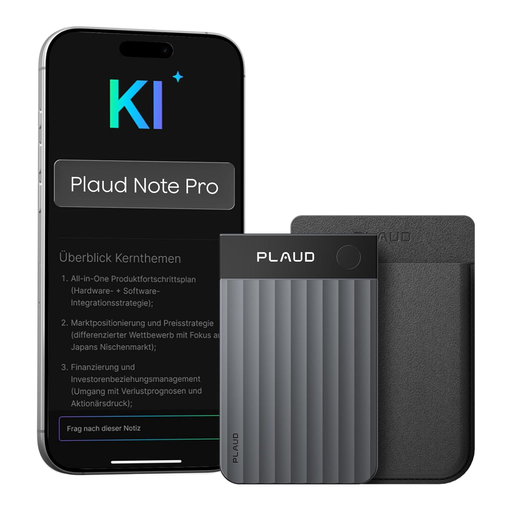 No image available
The product title states 30 hours of battery life and 64 GB of storage. Compare these figures with the planned length of your conversation and your file workflow.
The title also mentions four MEMS microphones and AI-powered transcription. Make sure you’re authorised before recording other people.
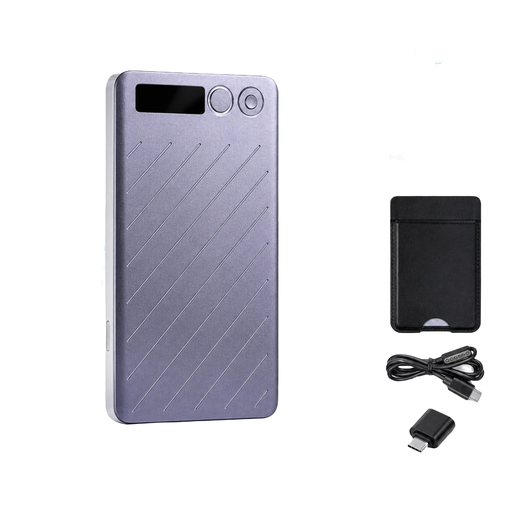 No image available
The title describes a digital voice recorder with 64 GB of storage and a transcription function. Check that the recording format and transcription method offered suit the way you plan to review your recordings later.
Make sure you’re authorised before recording other people.
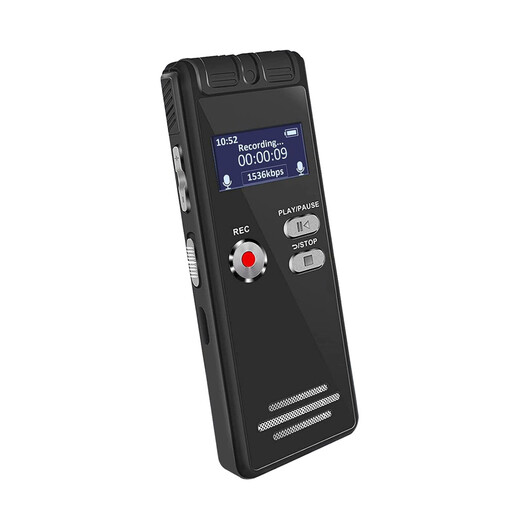 No image available
The product title lists the L15 version with 16 GB of storage. Before making a long recording, check which memory card and power supply are intended for the specific offer and your workflow.
Make sure you’re authorised before recording other people.
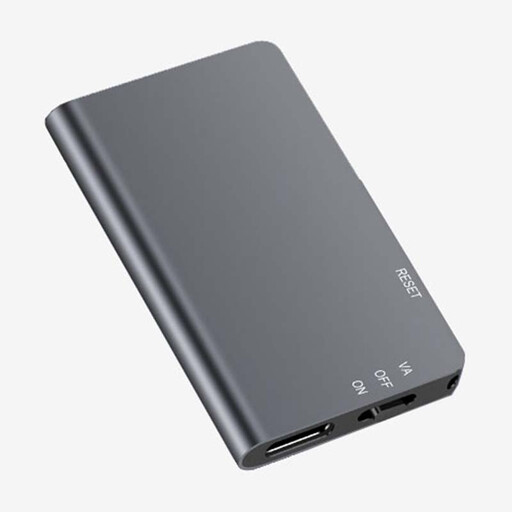 No image available
The product title lists the L810 version with 64 GB of storage. Check the specific offer against your planned recording set-up, and play back a test file before the interview.
Make sure you’re authorised before recording other people.
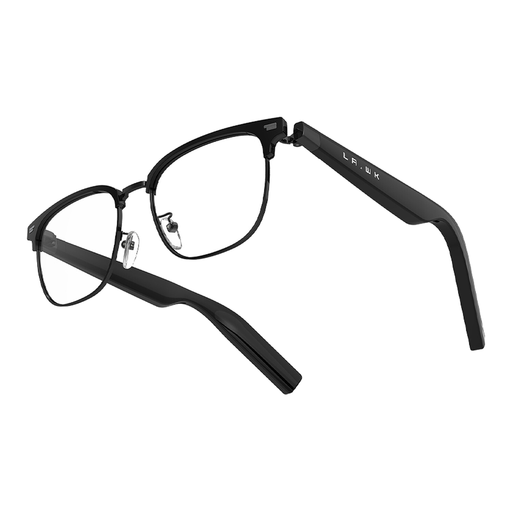 No image available
The product title describes smart audio glasses with an AI Note feature for meeting summaries. Their design differs from that of a standalone handheld recorder.
Check whether this wearable style suits your conversation, and make sure you’re authorised before recording other people.
Check battery life and available storage separately for the recording format you want to use. For the Sony ICD-PX470, Sony gives a maximum recording time using internal storage of 5 hrs 20 mins in L-PCM 44.1 kHz/16 Bit and 59 hrs 35 mins in MP3 128 kbit/s. So the longer figure doesn’t apply to every setting.
Choose a stable spot and listen to a test recording at the planned location. Zoom notes that placing the H1essential directly on a table may cause unwanted reflections. Using a tripod is one possible way to position it.
Check the specific offer to see whether it includes the memory card and power supply you need, and, if required, a tripod or external microphone. Zoom documents the use of compatible microSD cards and an alternative USB power supply for the H1essential.
No, not without authorisation. Under Section 201(1) of the German Criminal Code (StGB), unauthorised recording of another person’s privately spoken words is covered by the law. Make sure you’re authorised before you start; sharing the recording later must be considered separately. The wording of the Criminal Code published on Gesetze im Internet by the Federal Ministry of Justice and the Federal Office of Justice is authoritative.
Not automatically. If the GDPR applies to the processing in question and consent is being used as the legal basis, the Data Protection Conference’s guidance says it must be freely given, informed and specific to the situation. Check that permission covers the recording, any subsequent processing and any intended sharing for your particular purpose. Philips describes transcribing recordings from the DVT4115 via an upload to Sembly as a separate step.