
Lieferung heute & morgen

Qualitätsgarantie

Willkommens-Angebote freischalten: KOSTENLOSE Lieferung | Bis zu 80 % RABATT | Kostenlose 30-Tage-JoyPlus-Testphase
App herunterladen
If you’re looking to buy Li-Ning Wade 808 5 Ultra V2 basketball trainers, you’ll probably focus on colour and price first. But for male basketball players, keen amateurs and competitive athletes, other factors matter more: the fit in the forefoot, the actual sole construction, and where you’ll be playing. A flashy design can’t replace a stable connection to the ground.
Labels like “Professional”, “Competition” or “High Rebound” describe a model’s positioning. On their own, they don’t tell you how the trainer will perform on a specific indoor court or on asphalt. What’s far more revealing are details about the midsole, the outsole, the upper material and the fit.
In the Way of Wade 808 5 Ultra V2 series, features such as SUPER BOOM cushioning, a carbon plate, and GCU and TUFF-RB rubber compounds are mentioned. What matters is which of these constructions are actually listed for the colour and size variant you choose.
A snug basketball trainer can feel controlled during lateral movements. But if the upper material presses constantly on the forefoot, it can compromise comfort. The product details for the Li-Ning series describe a close-fitting, supportive fit. If you have wider feet or wear thick performance socks, going up half a size could be a good idea.
The available range for several variants runs from EU 42 1/3 to 45. Always check the specific size chart and the product page you’re looking at before buying.
Basketball trainers with high traction can behave differently on indoor courts and suitable outdoor courts. Dust, moisture, rough concrete surfaces and small stones all affect grip and increase wear. A variant described as suitable for both indoor and outdoor use can be versatile, but that doesn’t guarantee the same lifespan on every surface.
For quick stops, pivot moves and changes of direction, the outsole tread pattern matters more than any marketing promise. In the product descriptions, certain variants mention GCU rubber in the forefoot and TUFF-RB rubber in the heel area. This split is relevant for buyers because the forefoot and heel are stressed differently during take-off and braking.
For indoor use, keep the sole clean and free of dust. On outdoor courts, make sure the tread depth is sufficient and the construction is robust. The exact sole construction can vary depending on the variant.
The SUPER BOOM cushioning is described in several listings as a two-layer construction. The product details also mention a Supercritical Foam insole. These are technical features that may indicate a combination of cushioning and a direct ground feel. However, you can’t reliably predict how they’ll feel to you personally.
Selected models also mention a carbon plate. According to the product description, this ranges from a carbon plate in the heel area to a full-length carbon fibre plate. If you’re specifically looking for basketball trainers with a carbon plate, don’t just go by the model name – check the variant details.
Woven Jacquard mesh with 3D-printed elements is listed as the upper material for some versions. According to the product description, this construction is designed to offer an adaptive wrap and structural support. Other variants use textile with TPU, sometimes with split leather added.
For quick movements, your foot shouldn’t slide forward inside the trainer. At the same time, the lacing and toe area shouldn’t feel uncomfortably tight. When trying them on, we recommend:
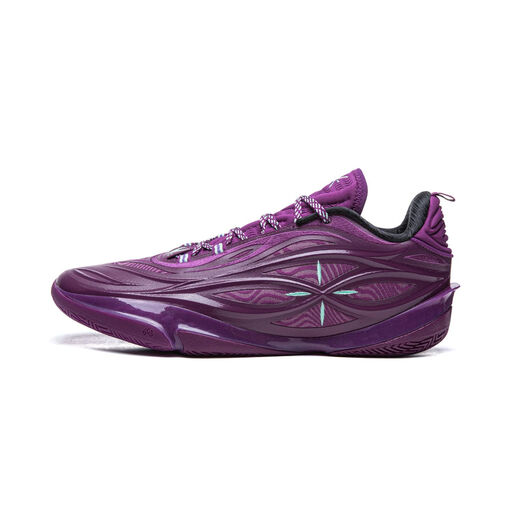
Why this product fits the profile: A variant for players who want a technically equipped model for training and matches, and who are comfortable with the standard size listed.
The product description mentions materials, cushioning and fit rather than just general performance terms. You should still check the size and playing surface before buying.
Listed two-layer SUPER BOOM construction, Supercritical Foam insole and lightweight GCU outsole.
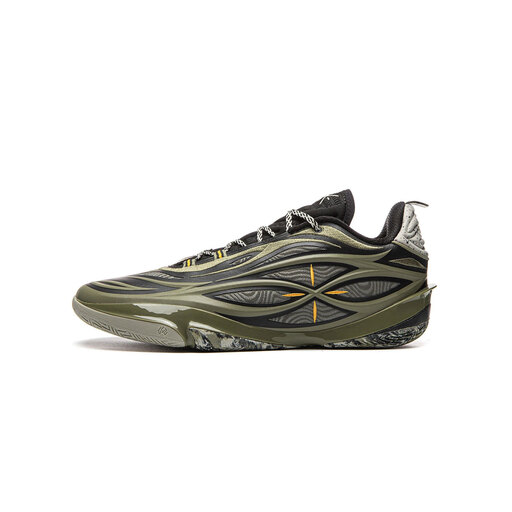
Why this product fits the profile: Suitable for players who value a close fit, direct power transfer and an explicitly described carbon fibre construction.
The description mentions the full-length carbon fibre plate as well as separate GCU and TUFF-RB rubber zones. This makes it easier to check the technical features.
Woven Jacquard mesh with 3D-printed elements, full-length carbon fibre plate and described multidirectional traction.
Why this product fits the profile: An option for frequent players who prefer a cushioning system with a carbon plate listed in the heel area, plus a lightweight GCU outsole.
The variant page points to the specific cushioning and plate construction. For frequent outdoor use, you should also consider the wear caused by the surface.
Two-layer SUPER BOOM midsole, Supercritical Foam insole and listed GCU outsole.
We’ve put together a complete, regularly updated list of products that fully meet these strict selection criteria and the safety regulations in force in the EU.
After a game, remove dust and dirt with a slightly damp cloth. The product details advise against soaking the trainers, exposing them to high heat or leaving them in direct sunlight for long periods. Room temperature is fine for drying. Harsh cleaning products can damage the upper material and adhesive bonds.
A pair shouldn’t be used permanently on several high-wear outdoor surfaces if it’s mainly intended for the indoor court. Regularly check the tread, seams, heel and any carbon or TPU areas – this will show you when it’s time for a replacement. It’s not possible to give a reliable lifespan, as body weight, training frequency, playing style and the surface all play a major role.
Several variants are offered as indoor and outdoor basketball trainers. However, the outsole will wear differently depending on the surface. Keep it clean for indoor courts; on rough asphalt, you can expect faster wear.
The product details mostly describe the trainers as true to size. If you have a normal foot width, your usual size may fit. If you have a wider forefoot or wear thick basketball socks, consider going up half a size. The size options on the specific product page are what matters.
A carbon plate can stiffen the construction and affect power transfer. However, the feel on court is personal. Buyers should first decide whether they prefer a full-length carbon fibre plate or a heel plate, and whether the fit, flexibility and playing surface are compatible.