
Lieferung heute & morgen

Qualitätsgarantie

Willkommens-Angebote freischalten: KOSTENLOSE Lieferung | Bis zu 80 % RABATT | Kostenlose 30-Tage-JoyPlus-Testphase
App herunterladen
A waist trainer tummy control belt can shape your midsection visually under clothing or during exercise. However, choosing one is not simply a matter of design. Fit, material, fastening system and intended use are all important. If you focus only on strong compression or claims such as “more sweating”, you may end up with a product that feels uncomfortable in everyday use or restricts you during training.
A waist shaper with “Maximum Compression” may initially feel particularly effective. However, excessive pressure does not automatically produce better results. A model that is too tight can restrict freedom of movement, cause pressure points or become uncomfortable when sitting.
For everyday use, adjustable compression in stages is usually more practical than a belt that can only be worn very tightly. During exercise, your torso should remain free to move.
Sizes such as S, M or XXL are not always directly comparable between brands. The belt’s width also affects the fit: a wide tummy and waist shaper covers more area, but may reach up to the ribs if you have a short torso.
Before buying, you should therefore check not only the clothing size but also the size chart for the specific product. Measure your circumference where the tummy control belt is intended to sit, and do not automatically choose a smaller size for more compression.
A compression belt can alter heat build-up and sweating around the covered area. This does not mean sustainable weight loss or targeted body-fat reduction. Claims such as “3X sweat boost” should be understood as information provided by the seller and should not be equated with a medical or long-term weight-loss effect.
A waist trainer is primarily designed for visual waist shaping, tummy control and – depending on its construction – additional support while being worn. It is not a substitute for exercise or a balanced diet.
Many waist supports and waist trainers are made from a blended elastomer fabric. For the Feelingirl models considered here, the stated composition is 35% latex and 65% polyester. Latex can provide good stretch, but it is not suitable for people with a latex allergy.
You should also look for:
According to the product description, the Feelingirl models mentioned should be cleaned by hand and air-dried. Machine washing, tumble drying, wringing and direct, strong sunlight are not recommended.
An adjustable waist belt with several hook or hook-and-loop fastening positions can be adapted more easily to changes in your body throughout the day and to different layers of clothing. A triple-wrap design distributes compression across several bands. This can provide more targeted coverage of the upper and lower abdomen than a very narrow waist band.
Check whether the fastening remains secure when sitting and whether you can put the product on without assistance. For regular training, a secure, non-slip fit is more important than making the belt as tight as possible.
The product variants differ, among other things, in the stated width of their double bands – approximately 11, 13, 18, 20, 21, 22, 23 or 24 inches. These measurements should not be considered in isolation: a wide back support belt may provide more support, but it will be more visible under close-fitting clothing and may be less flexible during movement.
A model with five steel stays can increase shape retention. At the same time, you should choose a fit that prevents the stays from pressing into your skin or shifting uncomfortably when you bend. If you have existing health concerns, are recovering from an operation or are pregnant, it is advisable to seek medical advice before use. Unless expressly labelled otherwise, these products should not be regarded as medical devices.
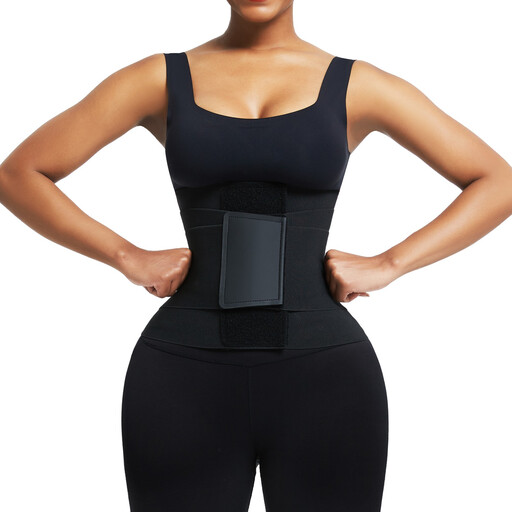
Why this product suits the profile: This model is suitable for shoppers looking for a classic tummy control belt with wide coverage and an adjustable wrap design.
The three-part construction and stated 22-inch width make flexible adjustment easier than fixed, one-size compression.
35% latex and 65% polyester; triple-wrap design with five steel stays according to the product description.
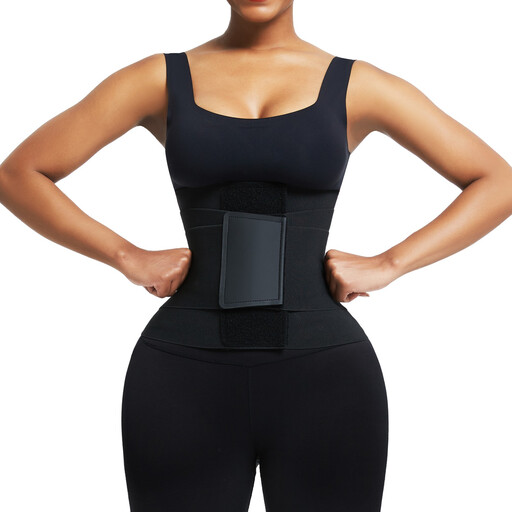
Why this product suits the profile: This variant is appealing to users who value a structured design, wide coverage and defined reinforcements.
The XL version should be selected based on your actual circumference; the stated 21-inch band width makes checking the measurements particularly important before buying.
Triple compression layer and five steel stays; adjustable bands for altering the width.
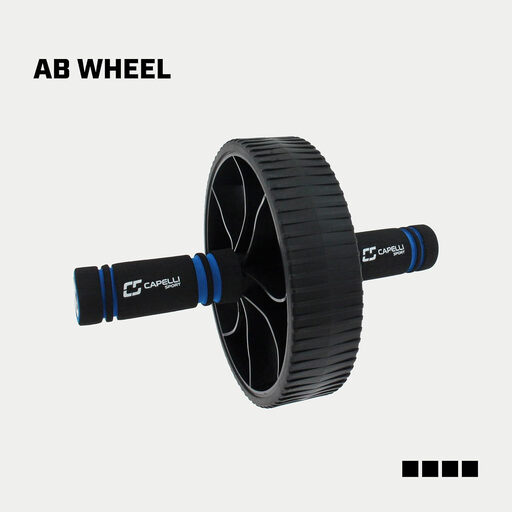
Why this product suits the profile: If you are looking not only for visual tummy control but also for a separate piece of home-gym equipment, this offers an alternative to a compression belt.
The Ab Roller does not promise passive shaping through compression; it is used actively through controlled movement.
Wide wheel with TPR coating, EVA foam handles and stainless-steel core; designed for stable, non-slip surfaces.
We have put together a complete, regularly updated list of products that fully meet these strict selection criteria and the safety regulations applicable in the EU.
Start by wearing it for a short period and using a moderate setting. Check that you can breathe, sit and bend normally. During exercise, the belt should not affect your technique. Remove it if you experience numbness, pain, skin irritation or breathing difficulties.
A sports waist trainer should be dried after every sweat-intensive use and cleaned according to the care instructions. Do not wear it continuously under high tension. Alternating between different days can make caring for the material easier and give your skin a break.
When using an Ab Roller, a stable, non-slip surface is important. The handles must be fully seated on the metal tube before every use. Begin with a limited range of motion and increase the load only if you can maintain control of your body.
No. A waist shaper can visually compress the tummy and waist area while you are wearing it. This does not mean that body fat can be reduced in a targeted way in one particular area. Long-term exercise and eating habits are the key factors in changing your body composition.
It should fit securely, but must not cause pain or restrict your breathing. Use the measurements provided by the relevant manufacturer and initially set the adjustable waist belt to a medium position. Check the fit while standing, sitting and moving gently.
Its lifespan depends on how often it is worn, the tension applied, exposure to sweat and how it is cared for. Wash the product according to the manufacturer’s instructions, avoid tumble drying and wringing, and regularly inspect the seams, fastenings and steel stays. Once the belt continually slips, shows signs of material damage or no longer provides even compression, it is advisable to replace it.