
Lieferung heute & morgen

Qualitätsgarantie

Willkommens-Angebote freischalten: KOSTENLOSE Lieferung | Bis zu 80 % RABATT | Kostenlose 30-Tage-JoyPlus-Testphase
App herunterladen
A waist trainer with tummy control can temporarily compress the abdominal area, visually shape the waist and, depending on its design, stabilise the lower back. At first glance, choosing one seems simple: pick a colour, size and closure, then order. In practice, however, incorrect measurements, exaggerated marketing claims and unsuitable materials often lead to disappointing purchases.
This guide shows what women and men in the UK should look out for before buying – whether for fitness, everyday wear, as a tummy-slimming trainer or during postnatal recovery.
A waist trainer can alter your body shape while you wear it. This is a visual and mechanical effect, not evidence of permanent fat loss. Claims such as “calorie burning” or “metabolism boosting” should therefore be viewed with caution. A sweat belt for the stomach can increase perspiration, but it does not replace exercise or a balanced diet.
“One Size” or “Fits All Size” does not mean that everyone will enjoy the same level of comfort. What really matters is your waist circumference, torso length and the position of the closure. A waist shaper that is too tight can dig in, slip, or restrict your breathing and freedom of movement.
Steel bones can give a compression waist trainer more shape retention, but they feel different when sitting or doing dynamic sports compared to a flexible belt. Care is also important: some models explicitly state that machine washing, tumble drying and wringing are not suitable. Ignoring these instructions can put unnecessary strain on the material and fastenings.
According to the product details, the featured models are made from 35 % latex and 65 % polyester. Polyester can provide a durable, shape-retaining surface; latex offers elasticity and a tighter fit. If you have a known latex sensitivity, please pay close attention to the material information before purchasing.
For longer wear, breathable and moisture-wicking fabric properties are also important. A waist trainer for sport should not unnecessarily restrict movements such as bending, twisting and walking. For yoga or strength training, a more flexible fit can be more comfortable than a heavily stiffened design.
Multiple hook or Velcro settings make it easier to adjust to different waist sizes. The available variants for the products mentioned range from six to eight adjustment levels. An adjustable waist belt should fit snugly without causing pressure points.
Adjustment should be done gradually. The waist trainer must stay stable when sitting, walking and breathing. If you experience numbness, pain, breathing difficulties or noticeable skin irritation, you should remove the product.
According to the product description, the triple-wrap models feature three straps, a three-layer compression construction and five steel bones. The stated width of the straps varies depending on the variant. Wider models can cover a larger abdominal area, while narrower versions require less material on the upper body during movement.
For a waist shaper with back support, the position of the bones is important: they can stabilise the shape of the back panel, but they are not a substitute for medical back care. After giving birth, a waist trainer for postnatal recovery should only be used once your individual physical situation has been discussed with a midwife or medical professional.
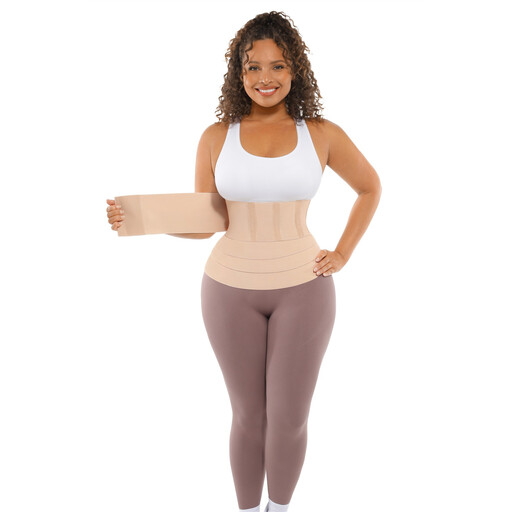
Why this product suits the profile: The skin-coloured variant with an 8-level Velcro fastening is ideal for beginners looking for an adjustable waist shaper for everyday wear and light activities.
The eight adjustment levels prevent a rigid one-size-fits-all fit. The fastening can be adjusted depending on the desired level of snugness.
35 % latex and 65 % polyester; 8-level Velcro fastening; suitable for women and men according to the product information.
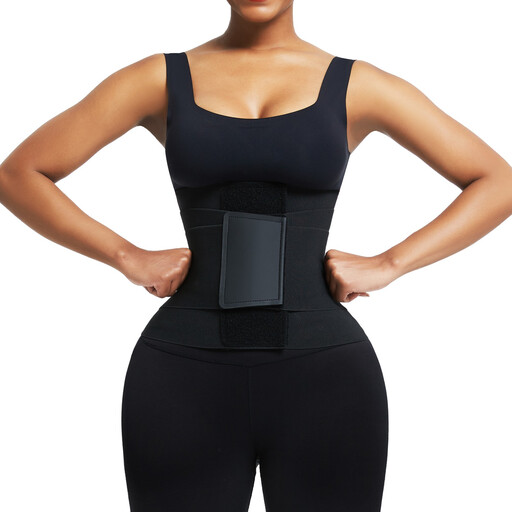
Why this product suits the profile: This variant combines a three-layer construction with five steel bones and is aimed at those who value structured support.
The construction is clearly described in terms of material, layer structure and bones, rather than just advertising a vague shaping effect.
Three-layer design; five steel bones; adjustable compression; black version in size S.
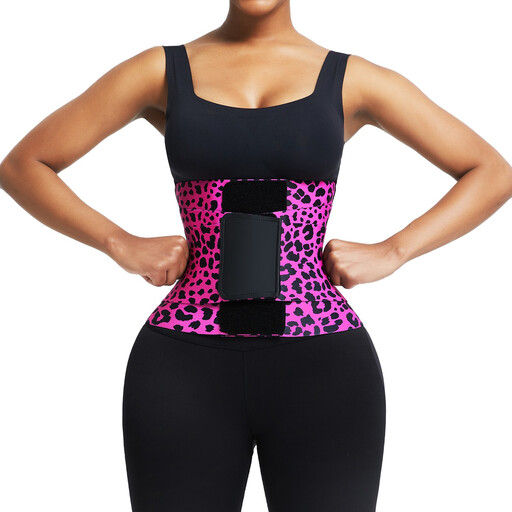
Why this product suits the profile: The three-part wrap construction with a 17-inch specification on the dual straps is designed for users who prefer greater abdominal coverage and an adjustable fit.
The width and structure are stated in the product data. This makes it easier to compare the coverage with your own torso length.
Three-layer construction; five steel bones; adjustable tension; moisture-wicking fabric according to the product information.
Before wearing it for the first time, check the size chart and try the waist trainer on for a short period. For sport, please note:
A waist trainer for men and women can shape your silhouette while worn. However, the effect is limited to the duration of use. If you have any discomfort, after a surgical procedure or during postnatal recovery, seek medical advice before use.
We have compiled a complete, regularly updated list of products that fully meet these strict selection criteria and the safety regulations in force in the EU.
It should fit snugly and provide the desired compression, but it must not restrict your breathing or freedom of movement. Pressure marks, numbness or pain indicate the wrong size or a setting that is too tight.
This depends on the design, your activity level and personal comfort. Start with short periods and only extend the wearing time if you experience no discomfort. For sport, breaks, adequate hydration and free mobility are important.
A waist trainer does not replace postnatal exercises or medical care. After giving birth, its use should be discussed individually with a midwife or medical professional, especially if you have pain, wound healing issues or have had a caesarean section.