
Lieferung heute & morgen

Qualitätsgarantie

Willkommens-Angebote freischalten: KOSTENLOSE Lieferung | Bis zu 80 % RABATT | Kostenlose 30-Tage-JoyPlus-Testphase
App herunterladen
By a Joybuy Product Recommendation Officer, August 26, 2026
A well-placed wall hook can be the difference between a cluttered hallway and an organized entryway. However, the selection is vast, and not every hook delivers on its promise. Before you make a decision, it's important to know the most common pitfalls that lead to damaged walls, rusty surfaces, or simply unusable products.
This guide will help you make an informed choice. We focus on the objective criteria that truly matter, so you can find a durable and functional solution for your home—whether it's for the hallway, kitchen, or bathroom.
Many products entice with attractive designs or supposedly easy installation, only to reveal their weaknesses in everyday use. Watch out for these three typical problems:
To avoid a bad buy, you should focus on three core technical parameters. These determine the functionality, durability, and safety of your new wall hooks.
The choice of mounting method is the most fundamental decision and depends on the wall condition, the desired load capacity, and your living situation (renting or owning).
The material affects not only the appearance but also the durability, especially in demanding environments like the kitchen and bathroom.
Single hooks offer flexibility, while a hook rail provides uniform organization.
Based on the criteria mentioned, we have identified some products that are suitable for specific user profiles.
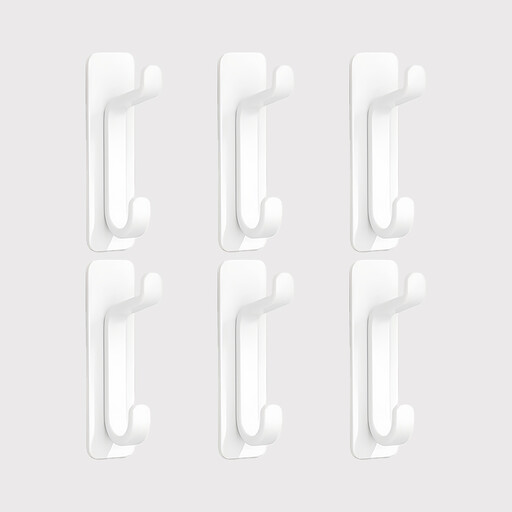
Why This Fits Their Persona: Ideal for renters looking for a reliable storage solution without damaging walls or tiles. The 6-pack offers flexible use in the kitchen, bathroom, or hallway.
These hooks use a special high-performance adhesive designed for a durable bond on smooth surfaces, avoiding the problem of them suddenly falling off.
The stainless steel construction makes them suitable for damp rooms. Installation is damage-free, and they can be removed without leaving any residue.
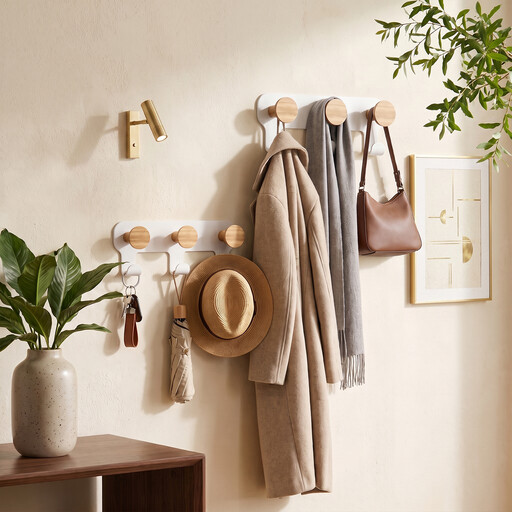
Why This Fits Their Persona: For those who see a hook not just as a utility item, but as a stylish decorative element. The combination of wood and metal complements both modern and rustic interior styles.
By using high-quality materials (aluminium alloy, FSC-certified wood) and a protective finish, it prevents rust and premature wear.
The double-hook design maximises storage space. According to the manufacturer, the design has been recognised with the Muse Design Award and the French Design Award.
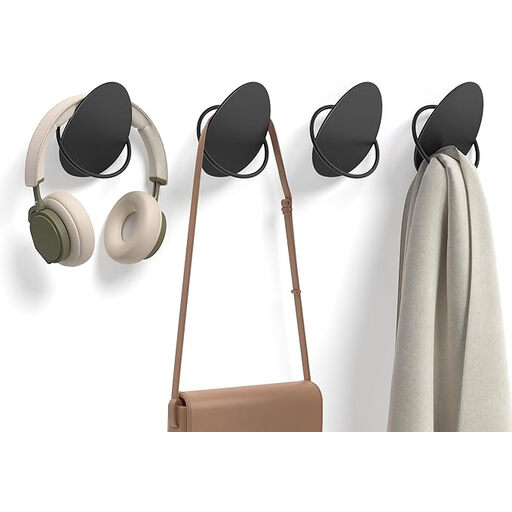
Why This Fits Their Persona: This set is designed for heavy-duty use. With a stated load capacity of 5 kg per hook, it's perfect for heavy school bags, winter jackets, and shopping bags in the entryway.
The secure screw-in mounting and solid steel construction solve the problem of insufficient load capacity. These hooks are built for durability under stress.
The set of four hooks allows for a flexible arrangement. The powder-coated surface is rust-resistant, and the rounded edges are gentle on clothing.
We have compiled a complete, up-to-date list of products that fully meet these strict selection criteria and relevant safety standards.
1. How much weight can an adhesive hook hold? The load capacity of adhesive hooks varies greatly, ranging from under one kilogram to over five kilograms. It depends on the quality of the adhesive, the size of the adhesive pad, and the nature of the surface. Always check the manufacturer's specifications on the packaging and do not exceed the stated maximum load.
2. How do you remove no-drill hooks without leaving residue? With most adhesive hooks, the adhesive can be softened by gently heating it with a hairdryer. Afterwards, the hook can be pulled off slowly and parallel to the wall. Any adhesive residue on non-sensitive surfaces like tiles can often be removed with rubbing alcohol. However, always test this on an inconspicuous area first.
3. What material is suitable for wall hooks in the bathroom? The bathroom requires materials that are permanently moisture-resistant. Stainless steel hooks (e.g., 304 grade) are an excellent choice here. Alternatively, hooks made of high-quality plastic or powder-coated metal are also suitable, as their surfaces protect the underlying material from corrosion.