
Lieferung heute & morgen

Qualitätsgarantie

Willkommens-Angebote freischalten: KOSTENLOSE Lieferung | Bis zu 80 % RABATT | Kostenlose 30-Tage-JoyPlus-Testphase
App herunterladen
A cluttered hallway, jackets strewn about, or a lack of places to hang towels in the bathroom—these problems can be quickly solved with the right wall hook. However, the market is flooded with products that often fail to deliver on their promises in practice. A hook that falls off the wall after a few weeks or a coat rack whose material rusts in the humid bathroom climate are frustrating and unnecessary expenses.
As your Joybuy Product Recommendation Officer, I'll help you identify the common pitfalls and make an informed decision. We'll focus on the facts so you can find a solution that creates lasting order.
Many products fail to meet everyday demands. Watch out for these three weaknesses to avoid a bad purchase:
To find the right solution for your needs, you should check three core parameters. These will help you objectively evaluate a product's functionality and durability.
The choice of mounting method is the most critical decision and depends on the surface and the weight of the items to be hung.
The material determines not only the look but also the durability and where it can be used.
A well-thought-out design ensures that the wall hook is truly practical in everyday use. Pay attention to the spacing between the individual hooks on a rack, as well as the shape and depth of the hooks themselves. Double hooks offer more hanging options in the same amount of space. Rounded ends are gentle on clothing and prevent it from falling off.
Here are some product recommendations tailored to specific use cases and requirements.
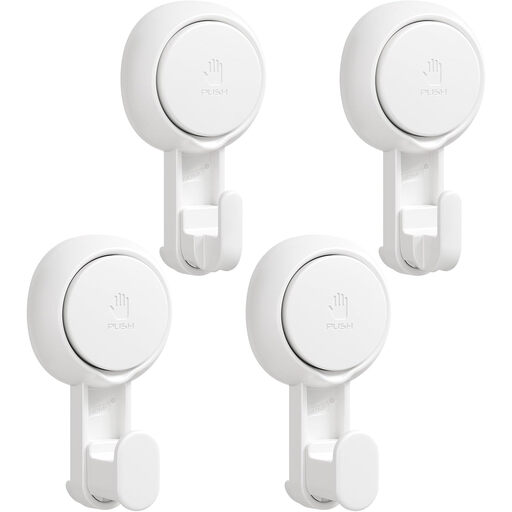
Why it's a good fit: Ideal for renters seeking a stable but non-permanent solution for the bathroom or kitchen. Installation requires no tools and leaves no marks on tiles or glass walls.
This model bypasses the weakness of simple suction cups with a patented vacuum technology. According to the manufacturer, it ensures a reliable hold on smooth surfaces, minimizing the risk of suddenly falling off.
Holds up to 5 kg per hook on suitable surfaces. The hooks are waterproof and can be repositioned multiple times, offering maximum flexibility.
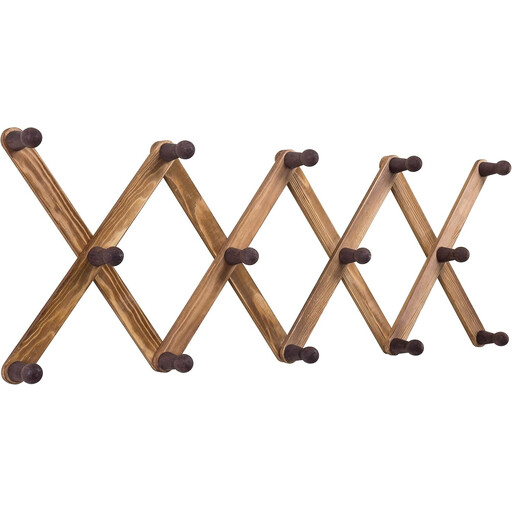
Why it's a good fit: The expandable design flexibly adapts to the available space and, with 14 hooks, provides enough capacity for the whole family's jackets, scarves, and bags in the entryway.
The design is focused on functionality. Unlike rigid racks with hooks spaced too closely, the width here can be adjusted to comfortably hang even bulky winter jackets. Wall mounting ensures the necessary stability.
Flexibly adjustable in width from approx. 40 cm to 81 cm. Made from solid wood for high durability and an appealing rustic look.
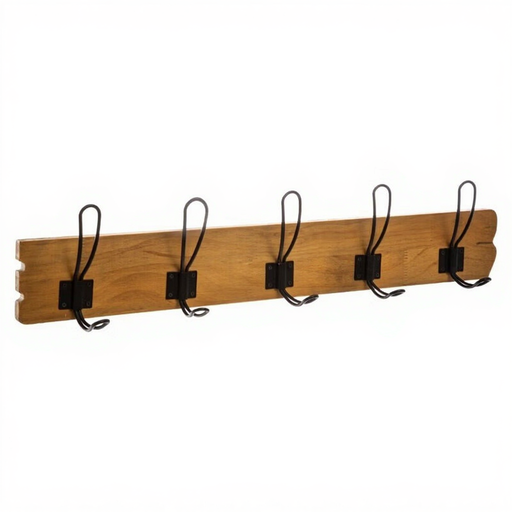
Why it's a good fit: For anyone looking for a functional storage solution that also makes a style statement. The combination of pine wood and cast iron hooks pairs well with rustic or industrial-inspired interiors.
This product relies on authentic, robust materials instead of cheap imitations. The solid pine wood and sturdy iron double hooks ensure that the rack not only looks good but also performs reliably in daily use.
The five double hooks provide ample space for clothes and accessories. The material combination of wood and metal is both durable and decorative.
We've compiled a complete, up-to-date list of products that meet these strict selection criteria and comply with current regulations.
1. How much weight can a no-drill hook really hold? The load capacity varies greatly depending on the technology and the surface. Simple adhesive hooks often hold 1 to 2 kg on smooth tiles. High-quality vacuum suction cups can support up to 5 kg, according to manufacturer specifications. It is crucial to read the product specifications carefully and only use them on the recommended surfaces. Never exceed the stated maximum load capacity.
2. Can I use adhesive hooks on textured wallpaper? As a rule, this is not recommended. Most adhesives require a smooth, clean, and non-porous surface to create a secure bond. The uneven texture of the wallpaper prevents this. Additionally, there is a risk that the adhesive will damage the wallpaper upon removal. Check if the manufacturer explicitly approves the product for textured or structured walls.
3. How do I remove adhesive hooks without leaving residue? Always follow the manufacturer's instructions. Many modern adhesive strips are designed to be pulled off slowly and parallel to the wall to release cleanly. For more stubborn adhesives, gently heating with a hairdryer can help soften the glue. The hook can then be carefully pried off the wall with a plastic scraper or dental floss.