
Lieferung heute & morgen

Qualitätsgarantie

Willkommens-Angebote freischalten: KOSTENLOSE Lieferung | Bis zu 80 % RABATT | Kostenlose 30-Tage-JoyPlus-Testphase
App herunterladen
A wall mirror can serve different purposes in different rooms. In the hallway, it lets you take one last look before leaving home; in the bathroom, it’s part of your daily routine; and in the living room, it can add a decorative touch. But choosing a mirror is about more than just shape and colour. Incorrect measurements, unsuitable fixing points or unclear lighting specifications can all lead to unnecessary hassle later on.
A mirror measuring 50 x 70 cm needs more than just a suitable patch of wall. You’ll also need to allow for hooks, fixings and the space between the mirror and nearby furniture. Before buying a 50 x 70 cm wall mirror, check whether you can hang it in portrait or landscape orientation, and whether the wall is suitable for fixing it securely.
Not every LED mirror is automatically suitable for a damp room. An IP44 rating means protection against splashing water from different directions. It does not mean the mirror is suitable for direct water jets or immersion. You’ll also need to consider the electrical connection, switch and distance from the water source.
A frameless mirror or an irregularly shaped wall mirror can look appealing. But glass thickness, edge finish, weight and hanging method still matter. If you’re considering an unusual shape, check that it will sit level and look balanced in the room. It can be difficult to correct a striking design later simply by changing its orientation.
Compact sizes work well in small hallways, cloakrooms and narrow sections of wall. A 50 x 70 cm mirror offers a balanced surface for many bathrooms and entranceways. Before buying, measure the available wall width, including the clearance needed at either side.
A model that can be hung in portrait or landscape orientation is a practical choice. This flexibility makes it easier to fit around existing furniture, sinks or wall recesses. The fittings on the back must be designed for both positions; simply being able to turn the mirror is not enough.
A silver wall mirror usually refers to the visible colour of the glass or its coating. The frame may be made from metal, aluminium or another material. A frameless mirror has a discreet look that suits minimalist interiors. Irregular or trapezoid-shaped mirrors, on the other hand, make a decorative statement but need to be positioned with care.
For cleaning, use a soft cloth and a mild glass cleaner. Abrasive, highly acidic or alkaline products can damage the surface and edges. Wipe away any damp patches promptly.
When choosing a bathroom mirror with lighting, check the specific details, including:
If you’re buying an illuminated 50 x 70 cm mirror, also check whether it comes with a wall switch or needs one to be installed separately. Electrical work should meet the relevant safety requirements and, where necessary, be carried out by a suitably qualified person.
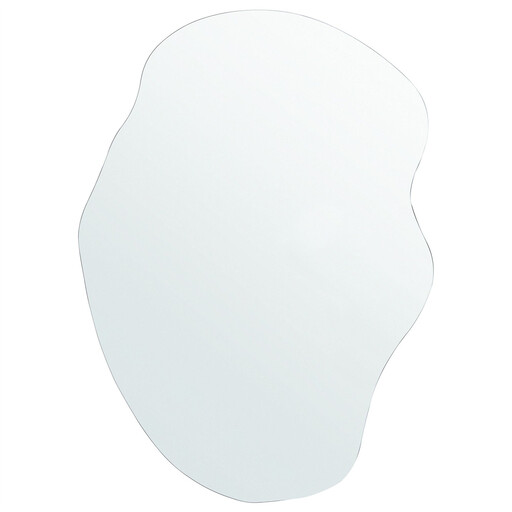
Why it suits this shopper: The 50 x 70 cm size works well on many smaller sections of wall. Its silver finish and irregular shape complement modern, Scandinavian-inspired and minimalist interiors.
According to the product details, the fittings on the back allow the mirror to be hung vertically or horizontally. This makes it easier to adapt to walls of different widths.
50 x 70 cm, weighs around 2 kg, frameless design and no assembly required for the mirror itself.
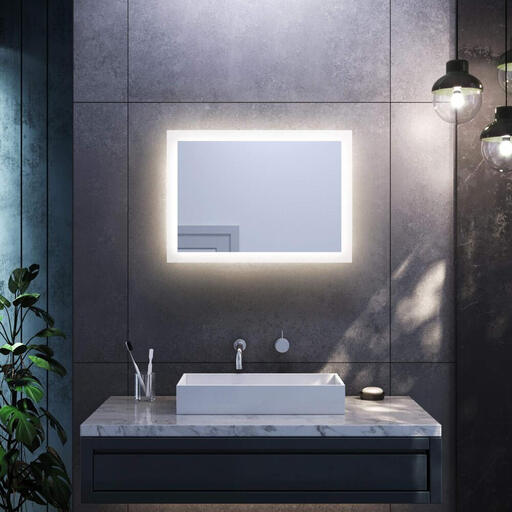
Why it suits this shopper: Designed for use in bathrooms, cloakrooms and shower areas, this model combines a 50 x 70 cm size with warm white lighting.
The product details specify an IP44 rating and also state that the mirror is not designed for direct water jets or immersion.
Warm white lighting at 3000 K, aluminium frame, portrait or landscape mounting, with a fitting kit and instructions included.
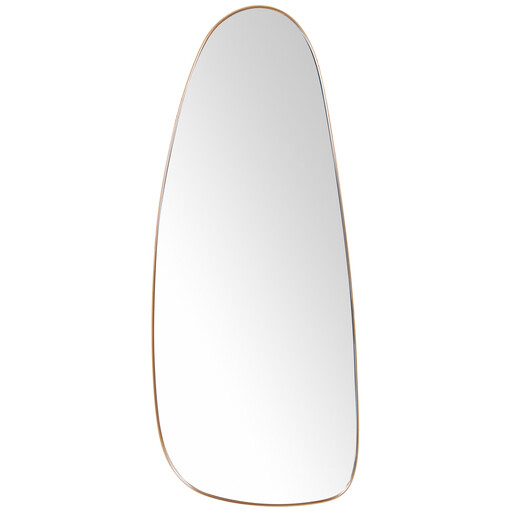
Why it suits this shopper: The slim 39 x 95 cm size is a good option for tall, restricted wall spaces in a hallway or bedroom. The gold finish adds a noticeable decorative touch.
The elongated dimensions are clearly stated before you buy. This makes it easier to check whether the mirror will fit a narrow recess, rather than relying on the product image alone.
Slim, tall design with a gold-finish metal frame. Before buying, check the product page for details of the weight, hanging method and mounting orientation.
We’ve put together a comprehensive, regularly updated list of products that meet these strict selection criteria and fully comply with the safety regulations in force in the EU.
Before fitting the mirror, check the type of wall you have. Plasterboard, concrete and brick may each require different wall plugs and screws. Fixings are not included with every model. A heavy illuminated bathroom mirror needs more robust fixings than a lightweight decorative mirror.
Follow these steps when fitting your mirror:
It depends on the width of the wall, the sink and the view you want. A 50 x 70 cm mirror is a practical choice for many small to medium-sized bathrooms. You should still check the distance from taps and water sources beforehand.
No. An IP rating such as IP44 indicates protection against splashing water, not suitability for direct water jets or immersion. Consider the installation zone, electrical connection and manufacturer’s instructions together.
A soft, lint-free cloth and a mild glass cleaner are usually all you need. Keep cleaning products away from the edges, electrical components and back of the mirror. Abrasive products and harsh cleaners can damage the coating.