
Lieferung heute & morgen

Qualitätsgarantie

Willkommens-Angebote freischalten: KOSTENLOSE Lieferung | Bis zu 80 % RABATT | Kostenlose 30-Tage-JoyPlus-Testphase
App herunterladen
A well-chosen wall mirror is more than just a functional surface for checking your reflection. It can make a room feel brighter and more spacious, serving as a central design feature. However, the market is flooded with products of widely varying quality and durability. Many buyers only realise they've made a suboptimal choice after the mirror is already mounted. This guide will help you identify common pitfalls and make an informed decision.
As a Joybuy Product Recommendation Officer, I continuously analyse the market to provide you with objective, practical advice. Below, I'll show you what to look out for to avoid making a bad purchase.
Before we dive into the selection criteria, it's important to understand the most common issues that lead to dissatisfaction:
To avoid these traps, you should carefully examine three core parameters. These are crucial in determining the quality, durability, and functionality of your new mirror.
The quality of the mirror glass is the most important criterion. A glass thickness of at least 4 mm is a good indicator of stability and a distortion-free reflection. Some manufacturers, like Woltu, also add a shatterproof film to their mirrors. This film prevents sharp shards from scattering if the mirror breaks, which is especially important in households with children or in high-traffic areas like the hallway.
An alternative to traditional glass is self-adhesive mirror tiles made of acrylic. These are lightweight, shatterproof, and easy to install, but they generally don't offer as flawless a reflection as real glass and are therefore best suited as decorative mirrors.
The frame defines not only the mirror's aesthetic but also its durability.
Modern mirrors often offer more than just a reflective surface. Consider which features would be useful for you:
Here are some product recommendations tailored to different user profiles and needs.
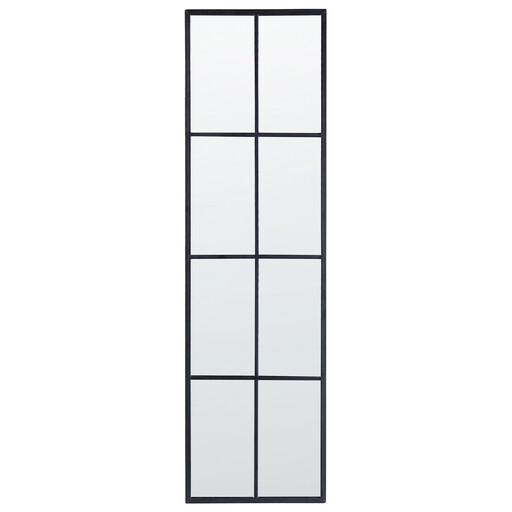
Why This Fits Their Persona: This windowpane-style model is a clear statement piece for anyone decorating their home in an urban or industrial style. It's perfect for adding character to a blank wall in a hallway or above a console table.
The robust iron frame is durable and retains its shape, sidestepping the trap of low-quality materials. The clear specification of its weight (7 kg) indicates that solid wall mounting is required.
Can be hung both horizontally and vertically, offering flexible design options. The design makes the room appear visually larger and brighter.
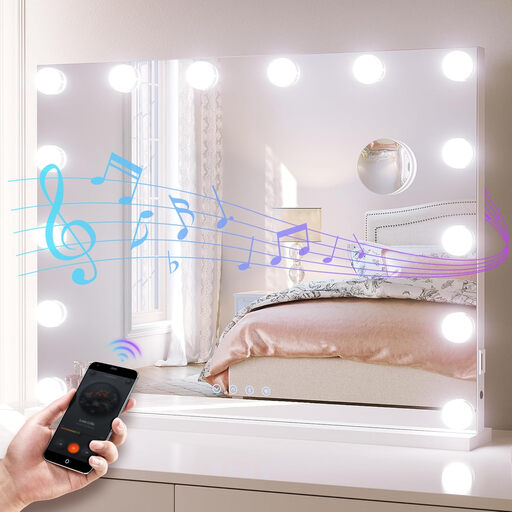
Why This Fits Their Persona: Ideal for anyone who needs a dedicated space for makeup and skincare. This mirror solves the problem of poor lighting while offering smart additional features for more convenience in your daily routine.
Its features are clearly specified and tailored to a specific use case. Instead of vague promises, it offers adjustable colour temperatures and brightness, avoiding the pitfall of exaggerated marketing claims.
The integrated Bluetooth function, USB charging port, and a detachable 10x magnifying mirror offer significant practical value.
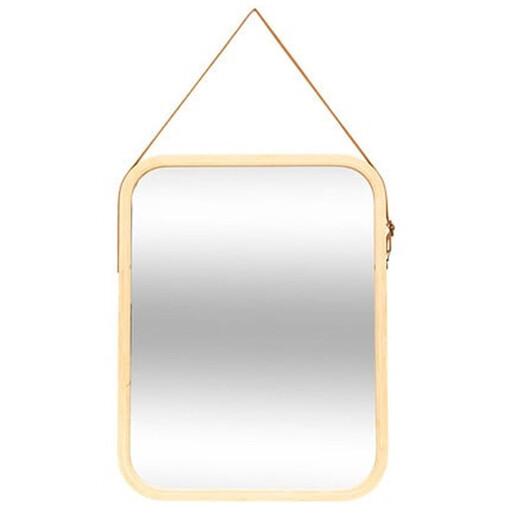
Why This Fits Their Persona: With its simple bamboo frame, this mirror brings a natural, warm atmosphere into the room. It's a perfect match for interior styles like Scandi, Boho, or Japandi and is a great choice for a living room, bedroom, or hallway.
Bamboo is naturally more resistant to moisture than cheap MDF boards. This minimises the risk of swelling and warping, a common trap for wooden frames in less-than-ideal dry environments.
The product is FSC-certified, which confirms the responsible sourcing of its material. The simple loop for hanging is both straightforward and decorative.
As a general rule of thumb, the centre of the mirror should be at eye level for the average person in the household, which is about 160 to 170 cm from the floor. When placed above a piece of furniture like a console table or sofa, there should be a gap of about 15 to 20 cm between the top of the furniture and the bottom of the mirror to create a harmonious look.
For a bathroom mirror, materials with high moisture resistance are crucial. Frames made of aluminium, stainless steel, and high-quality plastic are a safe bet. Frameless mirrors are also very practical, as no moisture can collect in the frame. If you choose wood, it should be specially treated or a naturally resistant material like bamboo or teak.
For a streak-free clean, it's best to use two microfibre cloths—one for damp wiping and one for dry polishing. A mixture of water and a splash of vinegar is an effective and budget-friendly cleaning solution. Alternatively, a commercial glass cleaner will also work. Spray the liquid onto the cloth, not directly onto the mirror, to prevent moisture from seeping behind the frame.