
Lieferung heute & morgen

Qualitätsgarantie

Willkommens-Angebote freischalten: KOSTENLOSE Lieferung | Bis zu 80 % RABATT | Kostenlose 30-Tage-JoyPlus-Testphase
App herunterladen
Choosing the right TV stand is crucial for the function and aesthetics of your living space. However, the market is filled with options whose quality and durability are hard to gauge. An unsuitable piece of furniture can not only disrupt the overall look but also pose a safety hazard. This guide will help you navigate common pitfalls and make an informed decision.
As your Joybuy Product Recommendation Officer, I have compiled the key criteria you should consider before buying to find a solution that is both practical and stylish.
Many buyers focus primarily on design and overlook critical functional aspects. Here are two common problems that lead to dissatisfaction:
To avoid the problems mentioned above, you should check three essential factors. These form the basis for a safe and satisfying long-term choice.
The material determines not only the look but, more importantly, the stability and longevity of your TV stand. Pay attention to the maximum load capacity, which is specified in kilograms (kg). Compare this value with the weight of your TV and all additional devices (gaming console, soundbar, receiver).
A TV console made of solid MDF or with a well-engineered design of reinforced particleboard is a reliable foundation for most modern televisions.
The proportions are key—both in relation to the TV and the room itself.
The decision between a classic TV cabinet and a TV wall mount depends on your priorities: storage space or a minimalist look.
Here are some product suggestions tailored to different needs and living situations.
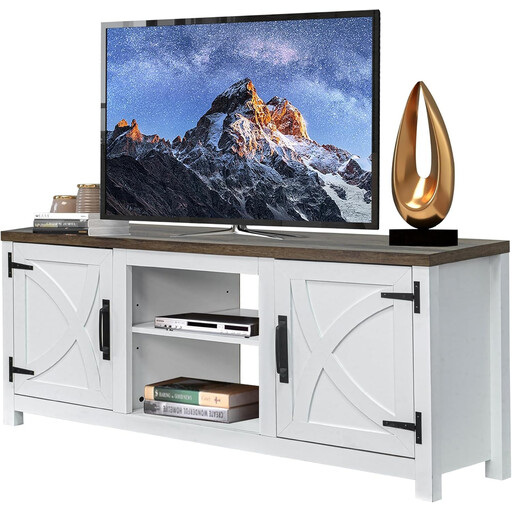
Why It's a Match: Ideal for users who appreciate a tidy yet decorative living room. The farmhouse-style design and white color (a popular search term is white TV stand) blend harmoniously into many modern interiors, while the storage space ensures everything stays organized.
The enclosed storage with sliding barn doors effectively solves the problem of cable clutter. The MDF construction is designed for TVs up to 65 inches and a load of 54 kg, which prevents sagging.
Combines generous, concealed storage with an appealing design. The adjustable shelf allows for flexible organization of devices of different sizes.
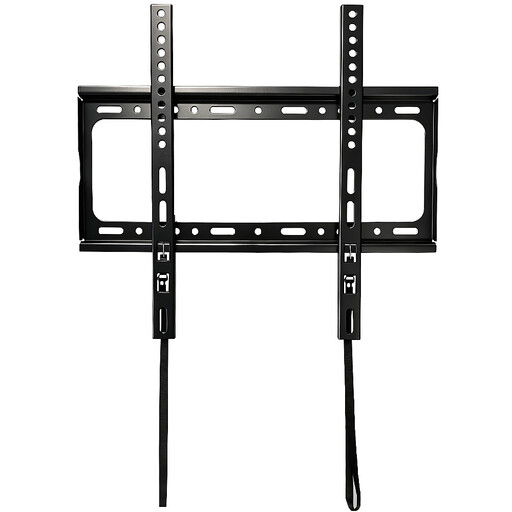
Why It's a Match: Perfect for anyone living in smaller apartments or who prefers an ultra-clean, floating look. This solution maximizes floor space and makes the TV the focal point.
A TV wall mount completely bypasses the issue of unstable furniture. Stability depends directly on the wall and correct installation. The problem of messy cables can be solved by using cable concealers.
The low profile keeps the TV close to the wall for a clean appearance. Compatibility with concrete, brick, and wood stud walls offers flexible installation options.
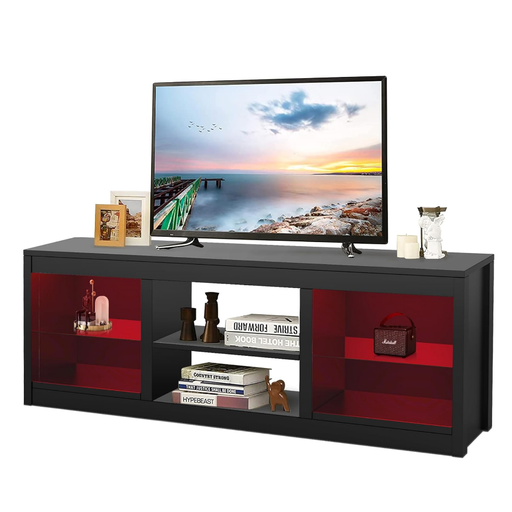
Why It's a Match: For buyers looking for a straightforward, functional, and sturdy solution. This model focuses on the essentials: secure support for large TVs and sufficient storage for key media devices.
The engineered wood construction is designed for stability and durability, suitable for TVs up to 65 inches. This directly addresses the risk of unstable construction and improper proportions.
Offers a combination of open and closed compartments, allowing for flexible organization of accessories. The clean, modern lines suit many interior styles.
We've compiled a comprehensive, up-to-date list of products that meet these selection criteria.
The optimal height ensures the center of the screen is at eye level when you are seated. Typically, this point is between 90 and 120 cm from the floor. Measure your eye level while sitting to determine the right height for your TV stand or the mounting position of your TV wall mount.
No, the wall's construction is critical. Solid concrete or brick walls are generally suitable. For drywall, you must locate and use the wooden studs behind it for mounting. Always check the wall mount manufacturer's specifications and the wall's load-bearing capacity. When in doubt, a professional TV wall mounting service is the safest bet.
The main difference is height. A TV lowboard, as the name suggests, is lower and often wider, creating a modern, elongated look. A classic TV cabinet tends to be taller and may offer more enclosed storage, sometimes as part of a complete entertainment center. The choice depends on your storage needs and the desired viewing height.