
Lieferung heute & morgen

Qualitätsgarantie

Willkommens-Angebote freischalten: KOSTENLOSE Lieferung | Bis zu 80 % RABATT | Kostenlose 30-Tage-JoyPlus-Testphase
App herunterladen
A wall-mounted towel rail keeps things tidy without taking up floor space. Even so, not every model is suitable for every wall, towel or room. When choosing one, practical factors such as the fixing method, material, dimensions and intended use matter more than decorative promises.
Statements such as “sturdy” or “suitable for several towels” reveal very little. What matters is whether a specific maximum load is stated and whether it applies to the product as a whole or just one individual hook. A wet bath towel weighs considerably more than a dry hand towel. Heavy textiles require a bathroom towel rail to be securely fixed and not overloaded.
A long towel rail can be impractical on a narrow wall, beside a washbasin or behind a door. Before buying, check the width, depth and swivel range. If the rail has several levels, the towels must also have enough space between them so that they do not remain permanently stacked on top of one another.
Metal is not automatically equally suitable for every damp environment. Coatings, edges and care instructions all affect how practical a product is for everyday use. With wood, the surface treatment and contact with water are important. A wooden towel rail can look decorative, but it should not be left permanently on a wet surface. With a metal towel rail, pay attention to the material, paintwork or coating and the cleaning instructions.
For wall mounting, the condition of the wall is crucial. Tiles, concrete, brick and plasterboard require different wall plugs and screws. The mounting hardware supplied may not be suitable for every wall. Before drilling, you should also take possible water pipes and electrical cables into account.
A product designed as a non-load-bearing holding rail must not be used as a support or grab rail. After installation, a careful load test is advisable. Screws should be checked at regular intervals and tightened if necessary.
The classic towel rail is suitable for one or more spread-out towels. A towel rail with hooks is more practical for flannels, dressing gowns or small towels. A towel rack with several rails can support drying, but requires more clearance from the wall.
For small bathrooms or narrow kitchens, a space-saving towel rail with folding or swivelling elements can be a sensible choice. A model with a shelf provides additional storage space for toiletries, decorations or folded textiles. The shelf should not be so deep that it blocks doors, drawers or the available passageway.
In the bathroom and kitchen, smooth, easy-to-wipe surfaces are practical. Aggressive or abrasive cleaning products can damage paintwork, wooden surfaces and metal coatings. Wood should be cleaned with a soft, slightly damp cloth and should not be left wet for prolonged periods afterwards.
For coated metal parts, it is worth checking the product description. It may contain information about rust resistance, indoor use and permitted cleaning methods. These details should not be interpreted beyond the manufacturer’s actual information.
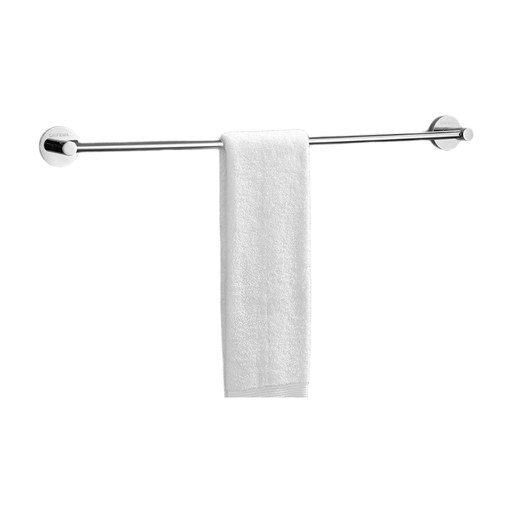
Why this product suits this profile: The single 60cm rail is suitable for shoppers looking for a straightforward solution for the bathroom or kitchen and who do not need an additional shelf or hooks.
The product description specifies an exact rail length and screw fixing. This makes it easier to assess the space required before buying than with vague size information.
Single 60cm rail, brass construction according to the product description, and a fixing set included.
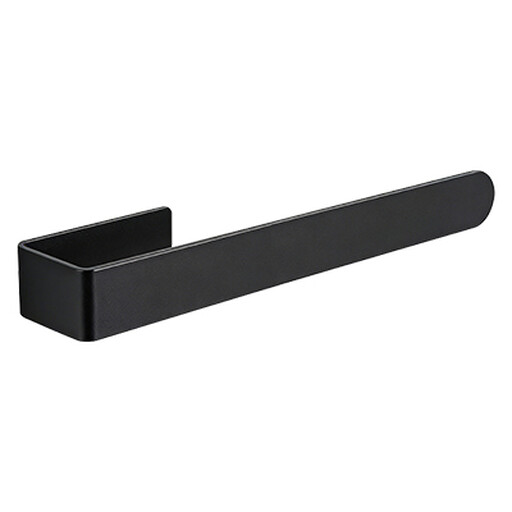
Why this product suits this profile: The combination of a rail, hooks and wall shelf is aimed at households that want to organise towels and small bathroom essentials in one place.
Several functions reduce the need to install additional hooks or shelves. However, check the wall width and stated load capacity before placing your order.
Stainless steel according to the product name, plus an integrated rail, hooks and shelf for several storage purposes.
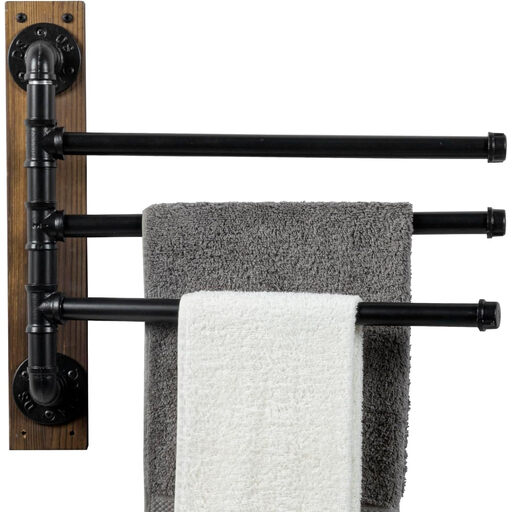
Why this product suits this profile: Three rails that swivel through 180 degrees are suitable for households with several towels or for rooms where the rail should sit as flat against the wall as possible when not in use.
The swivelling design prevents several textiles from inevitably hanging on the same level. Nevertheless, the required swivel range should be kept clear before installation.
Three swivelling metal rails, space-saving folding design, and a combination of metal and wood according to the product description.
We have compiled a complete, regularly updated list of products that fully meet these strict selection criteria and the safety regulations applicable in the EU.
For the kitchen, guest room or hallway, a rail with hooks may also be the more suitable solution. A kitchen towel rail should be within easy reach of the worktop without obstructing cupboard doors. In a guest room, a single ring or narrow towel rail is often sufficient.
There is no fixed height. Body height, washbasin height and the position of doors or furniture are the main factors. The rail should be easy to reach, and the towel should not touch the floor or adjacent surfaces.
With tiled walls, first check whether drilling is permitted and what type of substrate lies behind the tiles. For permanent installation, you need wall plugs and screws suitable for the wall material. Adhesive solutions are only sensible if the manufacturer recommends them for the specific product and the surface in question.
Its service life depends on the material, moisture, load and installation. Regular wiping, avoiding overloading and checking the screws can help maintain its usability. If you notice visible rust, cracks, loose connections or damaged surfaces, the rail should be replaced.