
Lieferung heute & morgen

Qualitätsgarantie

Willkommens-Angebote freischalten: KOSTENLOSE Lieferung | Bis zu 80 % RABATT | Kostenlose 30-Tage-JoyPlus-Testphase
App herunterladen
A wall shelf might seem like a simple purchase. But anyone who has ever mounted a shelf only to see it sag, its veneer peel at the edges, or watch it fall off the wall with all its contents knows: the devil is in the details. Many products promise more than they can deliver. This guide will help you avoid common purchasing pitfalls and find a functional, long-lasting solution.
Before you decide on a model, you should be aware of the most common problems that often only become apparent after the purchase.
To make an informed decision, focus on three core aspects that determine the longevity and functionality of your wall shelf.
The choice of material is fundamental to both stability and appearance.
The surface finish is just as important. A high-quality lacquer, a durable veneer, or a melamine resin coating protects the core material from scratches and moisture.
The mounting system determines how the shelf is secured to the wall and its visual impact.
The choice of the right shelf depends heavily on its intended use. Here are some recommendations for specific user profiles.
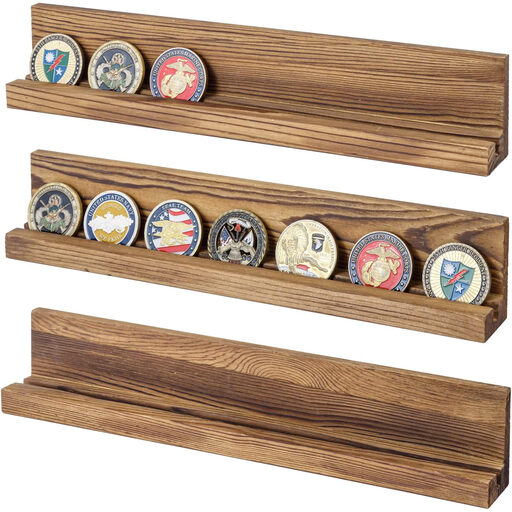
Why this model is a great fit: Ideal for those who want to display collector coins, minerals, or other small, round objects securely and stylishly. The special shape prevents items from rolling away.
The grooved design is purpose-built, offering a functional solution that a generic flat shelf cannot provide. The solid wood construction avoids the pitfall of inferior materials.
Specialised grooves for a secure hold of collectibles; rustic look thanks to the torched wood finish.
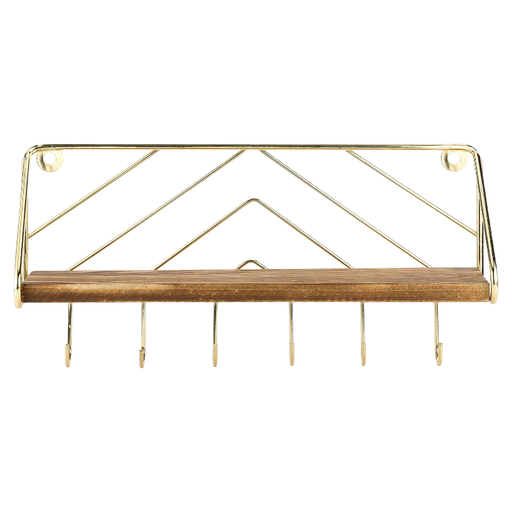
Why this model is a great fit: Perfect for anyone looking to create order in a hallway or entryway. It combines a shelf for mail or a phone with hooks for keys and leashes.
This hanging shelf is an all-in-one solution, saving you the trouble of buying and mounting separate hook racks and shelves. The combination of solid wood and metal hooks provides the necessary stability for daily use.
Combined functionality as a shelf with hooks; space-saving design for narrow hallways.
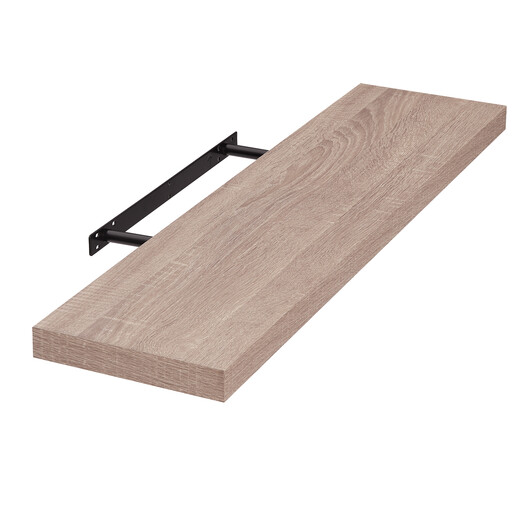
Why this model is a great fit: For lovers of a clean, uncluttered living style who want to showcase books, plants, or picture frames without visible brackets. The 100 cm length offers generous space for decoration.
The product description clearly states that it is an E1-class MDF board with a metal bracket. It also explicitly advises against mounting the shelf on drywall—an honest disclosure that prevents instability.
Concealed mounting for a floating appearance; scratch- and moisture-resistant surface.
We have compiled a complete, up-to-date list of products that meet these strict selection criteria and applicable safety requirements.
The load-bearing capacity of a wall shelf depends on three factors: the shelf's material, the mounting system, and, most importantly, the condition of your wall. A solid concrete wall can support significantly more weight than a plasterboard wall. Always follow the manufacturer's instructions and use wall plugs and screws appropriate for your wall type, such as special hollow-wall anchors for drywall.
Precise installation is crucial. Use a spirit level to align the drill holes perfectly horizontally. Ensure the wall plugs are firmly seated in the wall before screwing in the bracket. For drywall, you will achieve the highest stability by screwing the bracket directly into the underlying wood or metal studs of the wall's framework.
In the bathroom, high moisture resistance is essential. Shelves made of solid wood with a protective lacquer finish, MDF boards with a waterproof coating, or materials like plastic, glass, and stainless steel are well-suited. Avoid uncoated particleboard, as it can swell when it comes into contact with moisture.