
Lieferung heute & morgen

Qualitätsgarantie

Willkommens-Angebote freischalten: KOSTENLOSE Lieferung | Bis zu 80 % RABATT | Kostenlose 30-Tage-JoyPlus-Testphase
App herunterladen
A well-chosen wall shelf is more than just storage space. It structures a room, creates focal points, and showcases personal items. However, the market is flooded with products whose quality and functionality only become apparent after purchase. Many shelves look appealing but turn out to be impractical or unstable. This guide will help you identify the crucial features and avoid a bad purchase.
Before you make a decision, you should be aware of the common weaknesses that often only become apparent in daily use.
To make an informed decision, focus on three objective criteria: material, load capacity, and the right shelf type for your application.
The choice of material determines the shelf's stability, durability, and where it can be used.
The maximum load capacity of a wall shelf always depends on two factors: the construction of the shelf itself and the type of wall. The manufacturer's stated maximum load capacity (e.g., 15 kg) typically applies only to installation on solid masonry, such as concrete or solid brick. For drywall or hollow walls, you will need special hollow-wall anchors, and the actual load capacity will be significantly lower. Check your wall type before purchasing and plan accordingly.
Choose the type that best suits your available space and intended use.
Here are some product recommendations tailored to specific user profiles and their requirements.
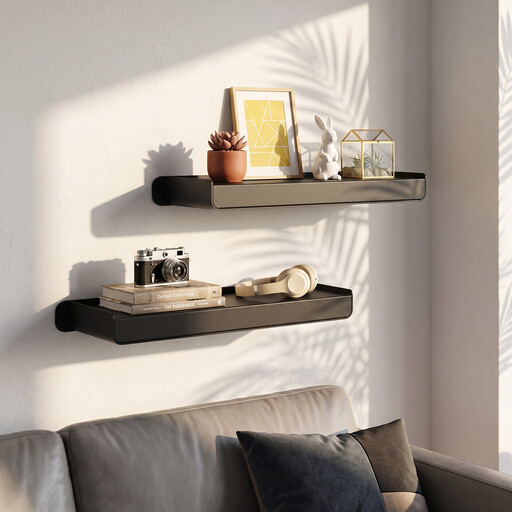
Why This Fits Their Persona: Ideal for users who value clean aesthetics and high-quality craftsmanship. Its minimalist design, a winner of the German Design Award 2022, blends seamlessly into modern living and work environments.
It avoids the pitfall of inferior materials by being crafted from robust, premium aluminium. The stated load capacity of up to 20 kg (44 lbs) is solid for a floating shelf and is supported by a sturdy construction.
The material is waterproof and rust-resistant, making the shelf suitable for bathrooms or kitchens. Rubber bumpers on the back protect the wall.
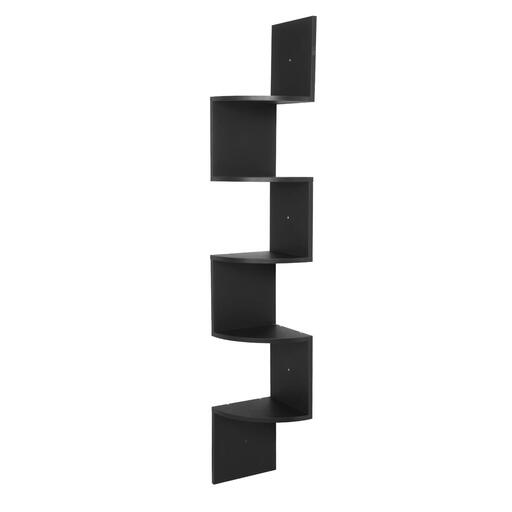
Why This Fits Their Persona: Perfect for anyone looking to maximise storage in small apartments or awkward spaces. This corner shelf utilises an often-overlooked area, transforming it into a functional and decorative display.
It addresses the unstable mounting trap with a clear disclaimer that it is not suitable for drywall. This is an honest limitation that protects users from improper installation and potential damage.
The zigzag design offers ample space across 5 tiers within a small footprint. The E1-grade MDF surface with PVC veneer is scratch-resistant and water-repellent.
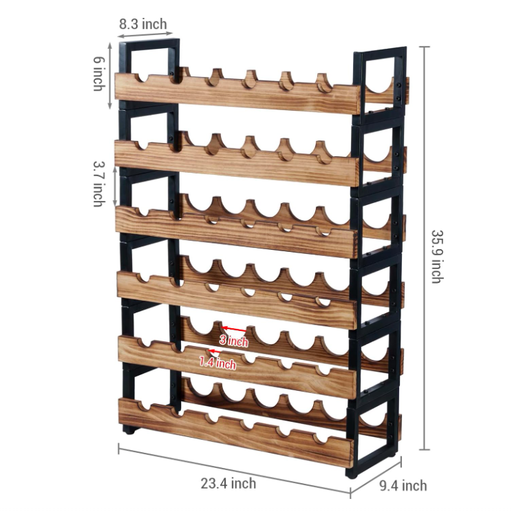
Why This Fits Their Persona: This freestanding rack is specifically designed for wine collectors seeking a stylish and functional storage solution. It combines an industrial design aesthetic with a high capacity for 36 bottles.
As a freestanding unit, it completely eliminates the risk of improper wall mounting. Its specialised design for horizontal bottle storage prevents corks from drying out—a detail that all-purpose shelves don't offer.
No assembly required; it's ready to use out of the box. The combination of a matte black metal frame and solid wood ensures high stability and an appealing look.
We've compiled a complete, up-to-date list of products that fully meet these strict selection criteria and safety standards.
The load capacity depends on three factors: the shelf's construction, the wall type, and the quality of the installation. A shelf mounted on a concrete wall with the correct anchors can support its maximum stated load (e.g., 15-20 kg). On a drywall wall, the capacity is significantly lower, even with special hollow-wall anchors, and should only be used for light decorative items.
For humid environments like a bathroom, water-resistant materials are crucial. Shelves made of aluminium, powder-coated steel, or stainless steel are highly recommended. Plastic is also an option. If you prefer a wooden shelf, it should be made from a moisture-resistant wood like bamboo or have a special waterproof seal. Uncoated MDF boards are strongly discouraged.
Yes, it is possible, but it requires special care. Never use the standard anchors included with the shelf. You will need special hollow-wall anchors (e.g., toggle bolts or metal expansion anchors) that secure themselves behind the drywall panel. Note that the load capacity on such a wall is significantly reduced. Only load the shelf with lightweight items like picture frames or small plants, and avoid heavy books or dishes.