
Lieferung heute & morgen

Qualitätsgarantie

Willkommens-Angebote freischalten: KOSTENLOSE Lieferung | Bis zu 80 % RABATT | Kostenlose 30-Tage-JoyPlus-Testphase
App herunterladen
A wall shelf is more than just a place to put things. It creates order, adds a decorative touch, and makes the most of your available space. But the sheer number of options can be overwhelming, and not every model delivers on its promises. Many buyers end up frustrated with sagging shelves, unsuitable materials, or a complicated installation process.
As your Joybuy Product Recommendation Officer, I'm here to help you navigate the common pitfalls. This guide highlights the critical features you need to consider to find a functional, long-lasting hanging shelf that's a perfect fit for your needs.
Before you make a decision, you should be aware of the most common problems that often only become apparent after the purchase.
To avoid these mistakes, focus on three core technical aspects. These determine the durability and functionality of your new wall shelf.
The maximum load capacity of a wall shelf depends on two factors: the shelf's construction and the type of your wall.
The material affects not only the look but also the durability and maintenance requirements.
Before buying, measure the items you plan to place on the shelf.
Here are some recommendations tailored to specific use cases that meet the quality criteria mentioned above.
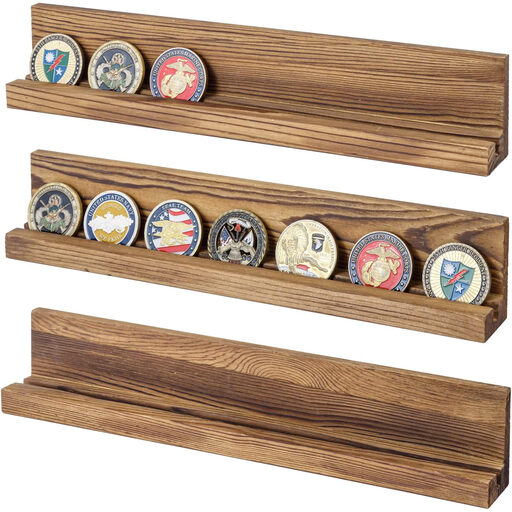
Why it's a good fit: Ideal for those seeking a specialised solution to display challenge coins, medals, or other small collectibles without resorting to standard shelves.
Solves the problem of unsuitable dimensions. The grooved shelf surface is precisely designed to securely hold round objects, preventing them from rolling off.
Crafted from solid wood for a high-quality look. The set of 3 allows for a flexible and decorative arrangement on the wall.
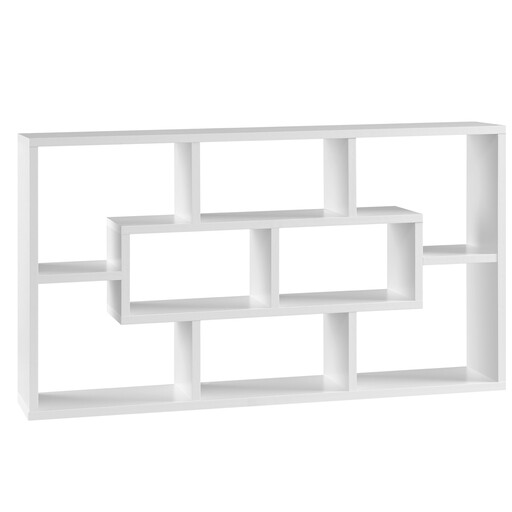
Why it's a good fit: Perfect for anyone who needs maximum, structured storage in a limited space. Ideal for books, CDs, or decorative items in the living room or home office.
The closed-frame construction provides high intrinsic stability and distributes the load evenly. This prevents individual shelves from sagging, a common problem with long, unsupported shelves.
The material is an FSC-certified E1-grade engineered wood with a melamine coating. This makes it easy to clean, abrasion-resistant, and water-repellent.
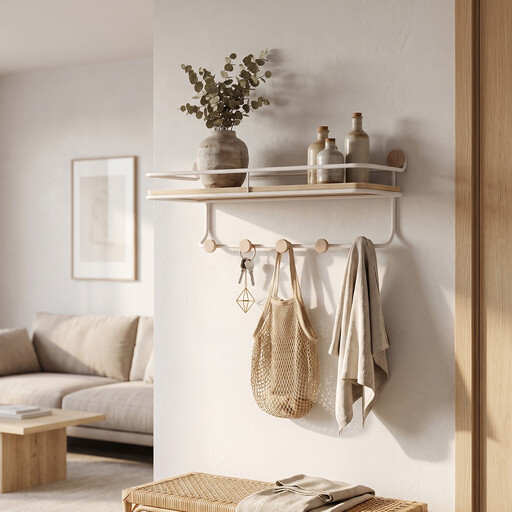
Why it's a good fit: A multifunctional solution that serves as a wall coat rack with a shelf in the hallway, a towel holder in the bathroom, or a spice rack with hooks in the kitchen.
Avoids the material pitfall by using FSC-certified rubberwood with a clear varnish and powder-coated steel. This combination is water- and rust-resistant, making it suitable for various rooms.
The innovative guard rail prevents items from falling off. The reinforced structure ensures stability for loads up to 20 kg (according to the manufacturer).
We have compiled a complete, up-to-date list of products that fully meet these strict selection criteria and German safety regulations.
1. How much weight can a floating shelf hold? The load capacity varies greatly and depends on the model, wall type, and proper installation. Smaller decorative shelves often only support 3-5 kg, while sturdier models with high-quality mounting can be designed for 10-15 kg. Always check the manufacturer's specifications and mount the shelf on a solid wall to achieve maximum load capacity.
2. Can you mount a wall shelf on a plasterboard wall? Yes, it's possible, but it requires special anchors. For plasterboard walls, you must use hollow-wall anchors made of metal or plastic that expand behind the board. Note that the maximum load capacity on a plasterboard wall is significantly lower than on a solid wall. This type of wall is not recommended for heavy loads, such as a fully stocked bookshelf.
3. What is the best material for a bathroom shelf? For the bathroom, it's crucial to choose materials that are resistant to moisture and water vapour. Stainless steel, powder-coated metal, plastic, or specially treated wood are recommended. For engineered wood (MDF), a seamless, high-quality seal—such as a melamine resin coating or a PU lacquer—is essential to prevent swelling.