
Lieferung heute & morgen

Qualitätsgarantie

Willkommens-Angebote freischalten: KOSTENLOSE Lieferung | Bis zu 80 % RABATT | Kostenlose 30-Tage-JoyPlus-Testphase
App herunterladen
A wall shelf can transform empty walls into functional storage or a stylish display area. But the selection is vast, and not every shelf lives up to its promise. Before you make a decision you might later regret, it's crucial to know the most common pitfalls and what really matters in your selection. As your Joybuy Product Recommendation Officer, I'm here to help you navigate the jungle of options and make an informed choice.
Many buyers focus solely on design, but the pitfalls are often in the details. These three issues frequently lead to disappointment:
To avoid these mistakes, you should check three crucial criteria. These will help you objectively assess the quality and suitability of a wall shelf.
The material determines not only the look but also the durability and load-bearing capacity.
The specified load capacity is an important guideline, but it must always be considered in the context of your wall.
Consider the purpose the shelf will serve. A single shelf can create a focal point, while a wall shelf set offers flexible design possibilities and can grow with your needs. The dimensions—length, depth, and height—must suit the available space and the items you plan to place on it.
Here are some recommendations tailored to different needs and interior styles.
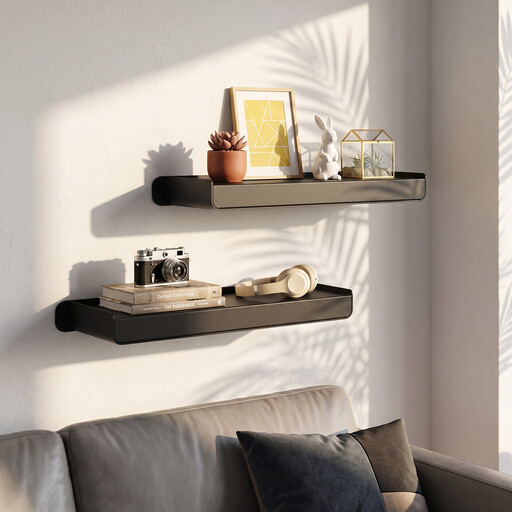
Why This Fits Their Persona: Ideal for those who seek a clean, modern aesthetic without compromising on quality. According to the manufacturer, its minimalist aluminium design won a German Design Award in 2022 and integrates seamlessly into purist living concepts.
The shelf is crafted from high-quality aluminium that resists bending and sagging. Its stated load capacity of up to 20 kg (44 lbs) is impressive for a floating shelf, and the rubber pads on the back protect the wall.
Water-resistant and rustproof material, making it suitable for bathrooms or kitchens. The award-winning design is an objective mark of quality.
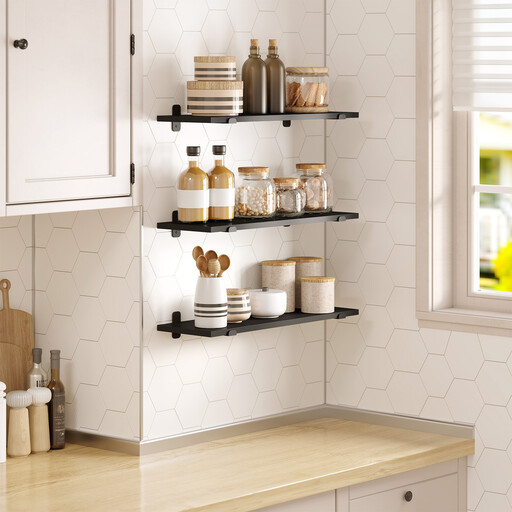
Why This Fits Their Persona: Anyone looking to display books, vinyl records, or collectibles securely and stylishly needs one thing above all: stability. This set of 3 offers high load capacity and a robust construction for heavy items.
The combination of a solid metal frame and thick MDF boards effectively prevents sagging. The clear specification of a maximum load of 15 kg per shelf provides peace of mind during planning.
Excellent load capacity for this price point. The moisture-resistant surface also makes the shelves low-maintenance and durable.
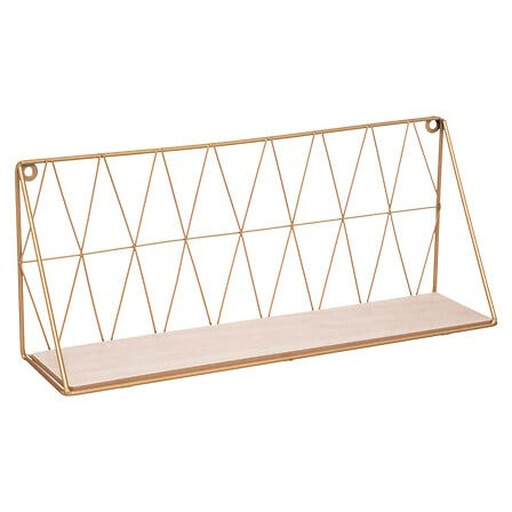
Why This Fits Their Persona: For anyone wanting to add a quick and simple decorative accent. This delicate wire shelf is less of a heavy-duty support and more of a piece of wall jewellery, perfect for small plants, pictures, or favourite trinkets.
This shelf doesn't promise high load capacity; instead, it focuses on its strength: aesthetics. The lightweight steel construction is explicitly designed for decorative purposes and light objects, making it honest in its function.
The elegant, gold-finish wire design is an eye-catcher. Weighing just 0.69 kg, installation is straightforward even on less sturdy walls.
We have compiled a complete, real-time list of products that fully satisfy these strict selection criteria and UK safety regulations.
1. How do you securely mount a wall shelf on drywall? Standard anchors are unsuitable for drywall (plasterboard). Instead, use special hollow-wall anchors (e.g., toggle bolts or metal expansion anchors). These expand behind the board to provide a secure hold. Always check the anchor manufacturer's load capacity specifications and, if possible, mount the shelf into the wood or metal studs behind the wall.
2. What is the difference between a wall shelf and a floating shelf? A "wall shelf" is the general term for any shelf attached to a wall. A floating shelf is a specific type of wall shelf where the mounting hardware is hidden within the wall or the shelf itself. This creates the impression that the shelf is "floating." Other wall shelves use visible brackets or frames for support.
3. What material is suitable for a wall shelf in the bathroom? Bathrooms have high humidity. Materials like untreated wood or uncoated MDF boards can swell or warp. Suitable options include shelves made of rustproof metal (like aluminium or powder-coated steel), plastic, or specially sealed or painted wood composites. Look for product descriptions that explicitly mention suitability for damp environments.