
Lieferung heute & morgen

Qualitätsgarantie

Willkommens-Angebote freischalten: KOSTENLOSE Lieferung | Bis zu 80 % RABATT | Kostenlose 30-Tage-JoyPlus-Testphase
App herunterladen
A wall shelf seems like a simple solution for more storage and decoration. It utilises vertical space, keeps the floor clear, and can visually enhance a room. However, the selection is vast, and not every shelf lives up to its promise. Many buyers experience disappointment shortly after their purchase. Before you make a decision, it's crucial to know the typical weaknesses that often only become apparent after you buy.
The three most common pitfalls when buying a wall shelf are:
To avoid these pitfalls, you should check three core parameters. These will help you find a durable and functional hanging shelf that perfectly suits your needs.
The material is a key determinant of your shelf's stability and longevity.
kitchen shelf or bathroom shelf.wooden wall shelf made of solid wood is robust and has a natural look. It is often heavier and requires an especially sturdy wall anchor. The surface should be varnished or oiled to protect it from moisture.decorative wall shelf, but it is less suitable for a wall-mounted bookshelf.The most stable mounting is useless if it doesn't match the wall.
floating shelf, is very popular. Look for a long and sturdy metal bracket that disappears inside the shelf board. The thicker the wall board and the deeper the bracket, the lower the risk of sagging.Before installation, it is essential to check the condition of your wall. For drywall, you will need special hollow-wall anchors, whereas for concrete or brick walls, the included standard plugs are usually sufficient.
Instead of an overwhelming list, here are a few product recommendations tailored to specific use cases.
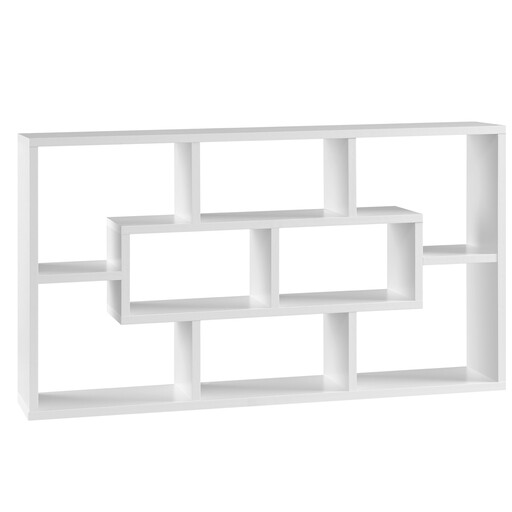
Why it's a great fit: Ideal for small apartments or rooms where every square inch counts. The vertical design makes optimal use of wall height to accommodate books, plants, and decorative items without taking up floor space. A classic `white shelf` for maximum organisation.
The melamine coating on the E1-grade engineered wood panels is water-repellent and easy to clean, thus avoiding the pitfall of delicate surfaces.
Eight open compartments provide structured and versatile storage within a compact footprint.
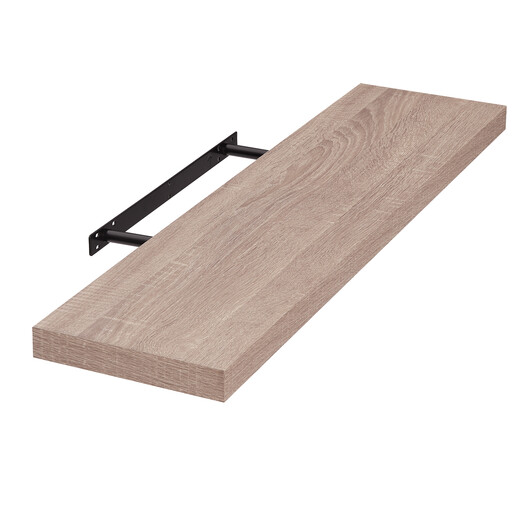
Why it's a great fit: For lovers of a clean and modern living style. This `floating shelf` creates a minimalist aesthetic with its completely concealed bracket, making the `wall board` appear to float on the wall.
The robust metal bracket and the shelf's thickness of 3.8 cm counteract the risk of sagging that occurs with many cheaper floating shelves.
The scratch-resistant and moisture-resistant veneer surface ensures a long-lasting, high-quality appearance, even with daily use.
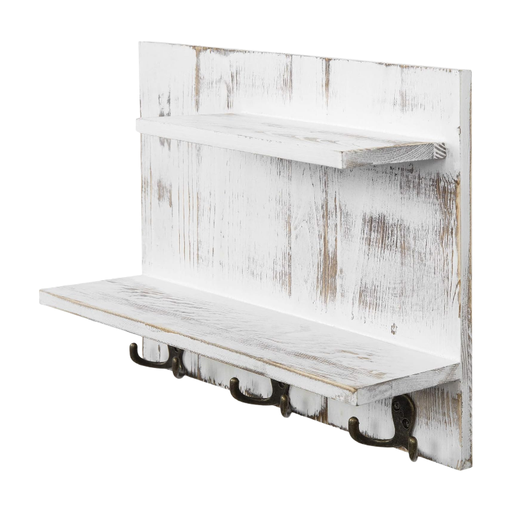
Why it's a great fit: Perfect for the entryway, bathroom, or kitchen where both shelf space and hanging options are needed. This shelf combines two tiers for decor or utensils with six hooks for towels, keys, or jackets.
The solid wood construction and visible, sturdy wall mounting bypass the pitfalls of low load capacity and unstable fastening. It is designed for practical, long-term use.
The combination of two shelves and six hooks offers high functionality, making it an all-in-one solution for high-traffic areas.
We have compiled a complete, up-to-date list of products that fully meet these strict selection criteria and safety regulations.
1. How much weight can a wall shelf hold? The load capacity depends on three factors: the shelf's construction, the type of wall, and the mounting hardware used. Manufacturer specifications are a guideline that often applies to solid walls. Always check your wall type and use appropriate anchors (e.g., hollow-wall anchors for drywall). Never load the shelf beyond its recommended limit.
2. Can you mount a floating shelf on a drywall wall? Yes, it is possible, but it requires care. You must use special metal hollow-wall anchors that expand behind the drywall panel. For maximum stability, ideally mount the shelf directly into the wooden or metal wall studs behind the drywall. Avoid placing heavy items like large stacks of books on a floating shelf mounted only to drywall.
3. What is the best material for a bathroom shelf? Humidity is high in the bathroom, so materials with a sealed, water-repellent surface are crucial. Recommended options include MDF boards with a high-quality melamine or lacquer coating, varnished solid wood, or materials like metal and plastic. Untreated wood or simple particle boards can swell and should be avoided.