
Lieferung heute & morgen

Qualitätsgarantie

Willkommens-Angebote freischalten: KOSTENLOSE Lieferung | Bis zu 80 % RABATT | Kostenlose 30-Tage-JoyPlus-Testphase
App herunterladen
A wall shelf is more than just a storage surface. It creates order, adds decorative accents, and makes optimal use of vertical space. However, the search for the right model can quickly become overwhelming. Many products that look great online turn out to be a disappointment after purchase. Before you make a decision, you should understand the common pitfalls that lead to instability, rapid wear and tear, and frustration during assembly.
As your Joybuy Product Recommendation Officer, I'm here to help you separate marketing promises from facts. This guide shows you what really matters when choosing a shelf and how to find a durable, functional product that perfectly fits your needs.
Choosing a wall shelf seems simple, but certain flaws often only reveal themselves after the purchase. Pay attention to these three critical points to avoid a bad buy.
To avoid these traps, focus on three objective features. These determine the longevity, safety, and functionality of your new wall shelf.
The material is crucial for the look, feel, and, above all, the load-bearing capacity.
The method of attachment determines how securely your shelf sits on the wall.
Always check the maximum load capacity in kilograms and compare it with your intended use and your wall type. For heavy items like books, a high load capacity is essential.
The dimensions of the shelf must suit the room and its purpose. A deep shelf in a narrow hallway can be an obstruction, while a too-shallow wall board in the living room wall shelf offers little space for decoration. Think carefully about what you want to place on the shelf—books, plants, kitchen utensils, or photo frames—and choose the depth and length accordingly.
Here are some recommendations tailored to different needs and interior styles that meet the quality criteria mentioned above.
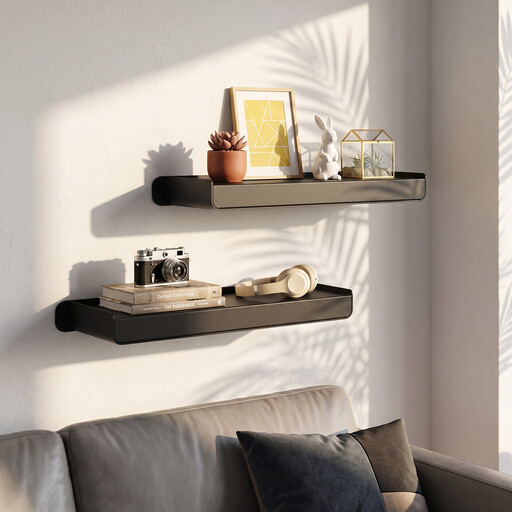
Why This Fits Their Persona: Ideal for anyone seeking a minimalist yet high-quality design. The shelf combines modern aesthetics with high functionality, making it perfect for a style-conscious living room, office, or bathroom.
The shelf is made of robust premium aluminium and is rustproof and waterproof. This allows it to bypass the trap of inferior surfaces that wear out quickly.
Winner of the German Design Award 2022. The high load capacity of up to 20 kg (44 lbs) is clearly specified and suitable for heavy items.
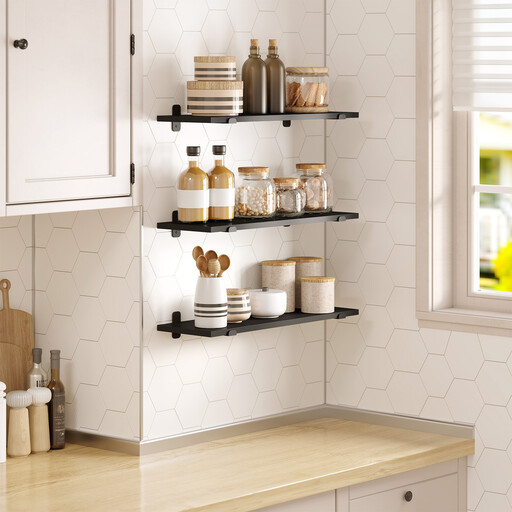
Why This Fits Their Persona: For those who need plenty of storage for books, plants, or decor, this practical set of 3 is a great choice. The combination of MDF boards and metal frames is functional and suits many interior styles.
The clear specification of a 15 kg load capacity per shelf sets realistic expectations. The visible metal brackets ensure a stable and understandable installation.
The set offers excellent value for money. The surfaces are described as moisture-resistant and scratch-proof, making them suitable for everyday use.
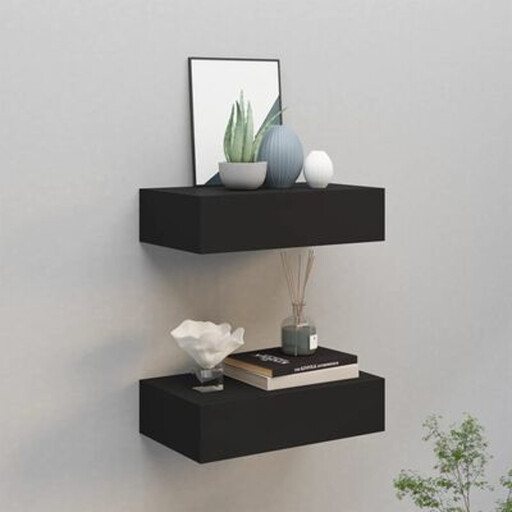
Why This Fits Their Persona: Perfect for the hallway, bedroom, or any place where small items like keys, pens, or notepads tend to disappear. This shelf combines open display with discreet storage.
This shelf is more than just a surface. The integrated drawer offers a thoughtful function that goes beyond standard designs and solves a real everyday problem.
The combination of a floating shelf look and a drawer is rare and extremely practical. With a 10 kg load capacity per shelf, it is also robust enough for daily use.
We have compiled a complete, up-to-date list of products that fully meet these strict selection criteria and safety regulations.
1. How do you securely mount a wall shelf on a plasterboard wall? For plasterboard (drywall), you need special hollow-wall anchors that expand behind the board. Metal hollow-wall anchors provide the best grip. If possible, mount the shelf into the underlying metal or wooden studs of the wall structure to significantly increase stability. Never exceed the maximum load specified by the anchor manufacturer.
2. What is the difference between a floating shelf and a hanging shelf? A floating shelf has an invisible mounting system, which gives the impression that it is floating on the wall. This requires a very sturdy wall. A hanging shelf is attached with visible brackets. This mounting method is often more stable, distributes weight better, and is more forgiving on less solid walls.
3. How much weight can a wall shelf really hold? The actual load capacity depends on three factors: the shelf's construction, the quality of the mounting hardware, and the condition of your wall. The manufacturer's specification is a guideline that usually applies to solid concrete walls. Always distribute the weight evenly on the shelf and place heavier items closer to the brackets.