
Lieferung heute & morgen

Qualitätsgarantie

Willkommens-Angebote freischalten: KOSTENLOSE Lieferung | Bis zu 80 % RABATT | Kostenlose 30-Tage-JoyPlus-Testphase
App herunterladen
Wall stickers, often called wall decals, offer an attractive way to give rooms a fresh new look quickly and affordably. However, the market is flooded with products of widely varying quality. A bad purchase isn't just annoying—it can also lead to damaged walls and extra costs. Before you check out, you should know the three most common pitfalls often hiding behind tempting product images.
To avoid these problems, it's crucial to pay attention not only to the design but, above all, to the technical specifications.
An informed purchasing decision is based on three core parameters. Checking them is the surest way to find a product that is both visually impressive and functionally delivers on its promises.
The material determines the feel, durability, and application of the wall sticker.
The adhesive is the heart of any self-adhesive product.
Different rooms place different demands on wall decor.
Instead of making a blanket recommendation, we have identified products tailored to specific requirement profiles and use cases.
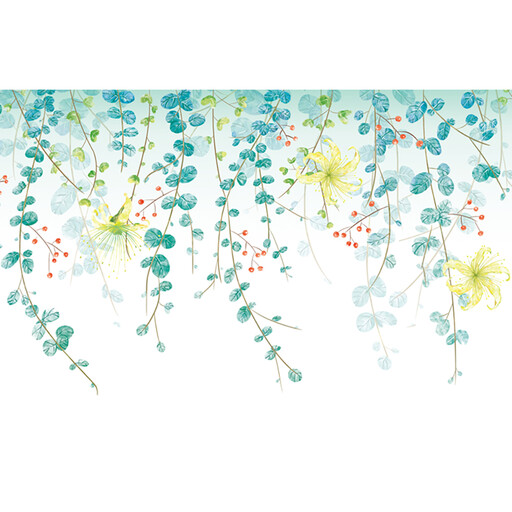
Why This Fits Their Persona: Ideal for renters or the undecided who want to add a quick, low-cost accent without a long-term commitment. The botanical design is versatile and fits well in living rooms, bedrooms, or offices.
The product is explicitly advertised as removable, which minimises the risk of wall damage when applied correctly to suitable, smooth surfaces. It's a simple PVC film without exaggerated 3D promises, which keeps expectations realistic.
Flexible, modular design that allows for individual arrangement of the leaves. A cost-effective solution for a large-scale yet subtle wall design.
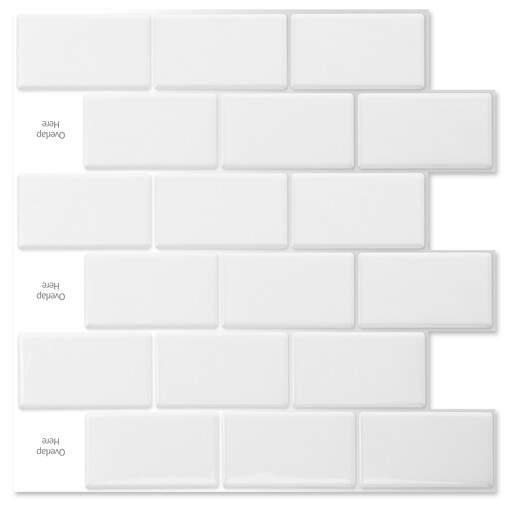
Why This Fits Their Persona: Perfect for anyone wanting to tackle a kitchen or bathroom renovation without the hassle, mess, and cost of real tiling. The focus is on a functional and aesthetic upgrade.
This product avoids the "disappointing appearance" trap with a genuine 3D texture that creates depth and a realistic tile effect. It is explicitly declared as heat-resistant and waterproof, making it suitable for use as a kitchen backsplash and avoiding the durability trap.
Simple "peel and stick" application without grout or special tools. The 10-pack covers a defined area of 0.9 m? (approx. 9.7 sq ft), which simplifies planning.
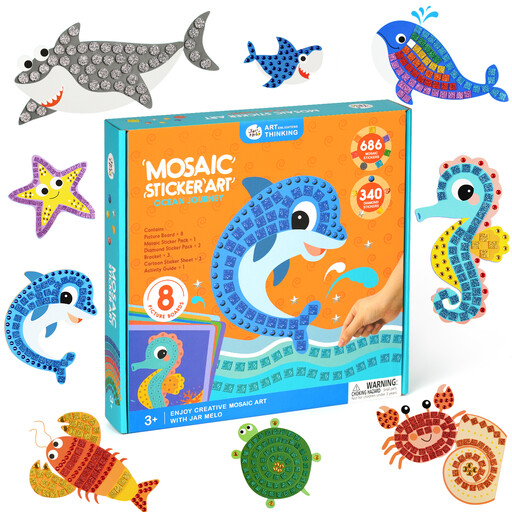
Why This Fits Their Persona: For parents looking for a creative and mess-free activity for their children. It's more than just decoration—it's a craft project that promotes fine motor skills, concentration, and colour recognition.
Since this is a craft kit whose results are displayed rather than stuck directly to the wall, the risk of wall damage is completely eliminated. The quality lies in the educational value and completeness of the set, not in its adhesive strength on a wall.
Complete set with no need for scissors or glue. Ideal for travel or as a quiet activity at home. The finished artworks can be displayed as personal nursery decor.
We've compiled a full, up-to-date list of products that meet these strict selection criteria and safety requirements.
Do wall stickers also stick to textured wallpaper? Most standard wall stickers are designed for smooth, clean, and dry surfaces. On textured wallpaper (like wood-chip), adhesion is often insufficient because the uneven structure creates too many air pockets and reduces the adhesive surface area. There are special wall decals for textured surfaces, but it is crucial to check the product description to see if the manufacturer explicitly states this suitability.
How do you remove wall stickers without leaving residue? To remove a removable wall sticker, gently heat it with a hairdryer on a low setting. The heat will soften the adhesive. Then, slowly peel the sticker off the wall at a flat angle. Any remaining adhesive residue can often be removed with a soft cloth and a little soapy water. However, always perform a test on an inconspicuous area first.
Are 3D tile stickers suitable for the area behind the stove? Only if they are explicitly designated as heat-resistant. Standard PVC stickers can warp, discolour, or even melt from the heat of a stovetop. Specifically look for products that are declared as kitchen backsplash stickers and whose materials are designed for proximity to heat sources. A certain safety distance from the direct heat source is still advisable.