
Lieferung heute & morgen

Qualitätsgarantie

Willkommens-Angebote freischalten: KOSTENLOSE Lieferung | Bis zu 80 % RABATT | Kostenlose 30-Tage-JoyPlus-Testphase
App herunterladen
Looking for a quick and easy solution for modern wall decor? Peel-and-stick wallpaper promises exactly that, making it an attractive option for DIY enthusiasts, renters, and homeowners looking to give a room a new look without a major overhaul. However, not all products live up to their promise. Before you invest, you should be aware of three common problems that can quickly turn a simple project into a frustrating one.
A well-considered purchase based on objective criteria will help you avoid these pitfalls and achieve a result that you'll enjoy for years to come.
To find the right peel-and-stick wallpaper for your project, don't let beautiful patterns be your only guide. The following technical parameters are crucial for quality and longevity.
The material composition determines the wallpaper's durability and where it can be used. Most peel-and-stick wallpapers are made of PVC (Polyvinyl Chloride). This material has the advantage of being robust, tear-resistant, and water-repellent. As such, this type of washable wallpaper is also suitable for high-traffic areas like kitchen backsplashes (away from direct heat sources) or hallways. PVC films are also an excellent choice as an adhesive wrap for furniture, as they create a durable and easy-to-clean surface.
Alternatively, there are paper-based wallpapers. These are often not self-adhesive and require paste, but they offer a matte, breathable surface. For peel-and-stick applications, however, PVC is usually the more practical choice due to its dimensional stability and ease of handling.
The most common reason for wallpaper peeling is an unsuitable surface. Manufacturer guidelines are clear on this: the surface to be covered must be smooth, clean, dry, and dust-free. Woodchip wallpaper, coarse plaster, or unsealed plasterboard are not suitable substrates. The adhesive cannot form a complete bond on textured surfaces, which inevitably leads to air bubbles and peeling edges. Thoroughly clean the wall before application and ensure there is no grease or silicone residue.
Whether it's a modern concrete-effect wallpaper, a cosy wood-effect wallpaper, or a playful floral wallpaper – the design defines the room's atmosphere. When you're creating a feature wall, calculating the correct amount of material is crucial.
Instead of making a blanket recommendation, we have matched products based on specific requirements and project types.
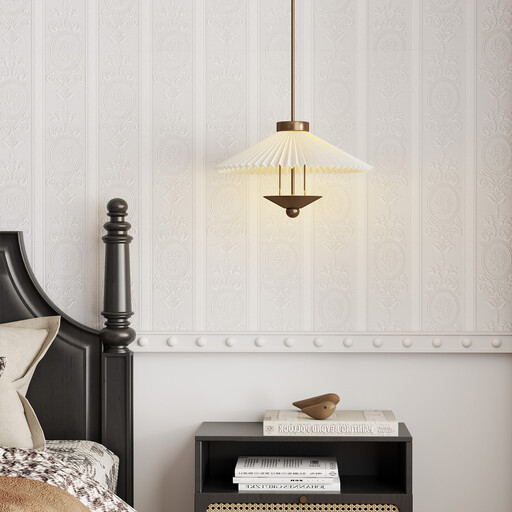
Why This Fits Their Persona: Ideal for renters or beginners on a modest budget who want to upgrade a small area like an alcove, a single door, or the back of a bookshelf. The compact roll size is designed for such projects.
The textured Rococo design helps conceal minor surface imperfections and makes seams less visible, bypassing the problem of thin, unforgiving materials.
A subtle, elegant pattern that adds a sophisticated texture to rooms without being overpowering. The premium PVC vinyl is also durable and wipeable.
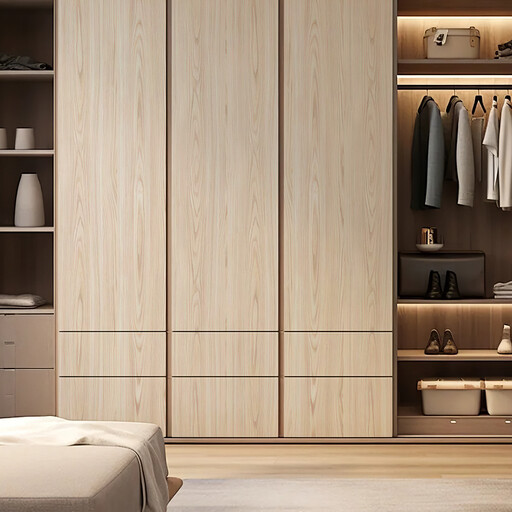
Why This Fits Their Persona: Perfect for anyone looking for a modern wood-effect wallpaper to create a warm and bright feature wall. The wider roll (60 cm) means fewer seams and a more harmonious overall look.
The realistic wood grain and wider strip minimise the risk of visible seams. The high-quality PVC material adheres reliably to smooth surfaces, preventing the edges from peeling.
Creates a bright, welcoming atmosphere and pairs well with white walls and simple furniture. As a washable wallpaper, the surface is easy to maintain.
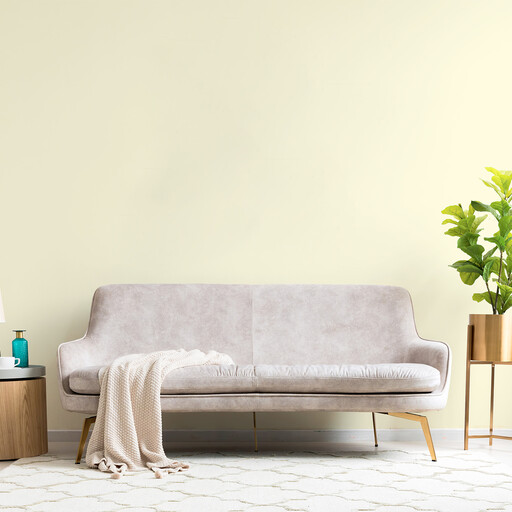
Why This Fits Their Persona: Ideal for covering an entire wall or for uniformly wrapping multiple cabinet doors. The extra-long roll ensures a seamless finish on larger surfaces.
The generous roll length of over 5 metres drastically reduces the number of seams, eliminating the problem of pattern and colour mismatches between different rolls.
A warm, neutral cocoa-cream hue that creates a calm atmosphere. The roll covers approximately 3 m?, making it efficient for larger projects.
We have compiled a complete, real-time list of products that fully satisfy these strict selection criteria and UK safety regulations.
No, this is generally not recommended. The uneven texture of woodchip wallpaper prevents the self-adhesive film from adhering completely. This creates air bubbles, and the edges will eventually peel. A smooth wall surface is required for a durable result.
Most high-quality PVC films can be removed. To make the process easier, you can warm the surface with a hairdryer. The heat softens the adhesive, making it easier to peel off. Pull the film away from the wall slowly and at a low angle. Any remaining adhesive residue can often be removed with a mild cleaning agent. It is advisable to test this on an inconspicuous area first.
First, measure the height and width of your wall. Then, check the product description for the pattern repeat, which is the length after which the pattern repeats itself. For each strip, you need to add one pattern repeat to the wall height to ensure you can align the pattern correctly. Divide the roll length by this new strip length to determine how many strips you can get from one roll. It is always recommended to plan for at least 10% extra material to account for waste and any potential corrections.