
Lieferung heute & morgen

Qualitätsgarantie

Willkommens-Angebote freischalten: KOSTENLOSE Lieferung | Bis zu 80 % RABATT | Kostenlose 30-Tage-JoyPlus-Testphase
App herunterladen
A high-quality walnut cutting board is more than just a surface—it's a central kitchen tool that blends aesthetics with function. But the market is flooded with products that overpromise and underdeliver. Many buyers face disappointment when their supposedly premium board cracks, warps, or proves impractical after just a few weeks. As your Joybuy Product Recommendation Officer, I'll help you spot the common pitfalls and make an informed decision.
Before you invest, you should be aware of the most common problems often hidden behind an attractive appearance.
To avoid a bad purchase, focus on these three objective criteria. They are the key to a durable and functional wooden kitchen board.
Walnut wood is an excellent choice due to its hardness and elegant, dark grain. It's robust enough to withstand daily use but also forgiving enough to preserve the sharpness of your knives. Pay attention to the construction:
Regardless of the type, clean, seamless glue joints are a clear sign of quality.
The thickness of a cutting board is not arbitrary; it's a crucial factor for its longevity. A high-quality kitchen board should have a minimum thickness of 2 cm, or even better, 2.5 cm or more. Thinner boards tend to warp ("cupping") under the influence of moisture and temperature changes. A thicker board is also heavier and therefore more slip-resistant on the work surface, which increases safety during cutting. For carving roasts, a solid walnut carving board with a thickness of 3-4 cm is particularly suitable.
Practical elements separate a good cutting board from a great one:
Here are some products that, based on objective features, are suitable for different user profiles.
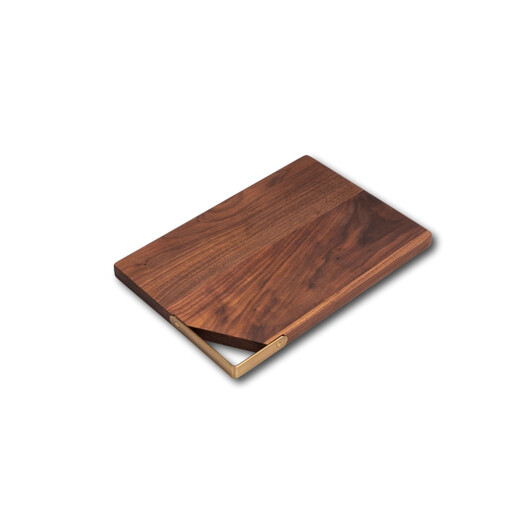
Why This Fits Their Persona: Ideal for users who see their kitchen as a showpiece and want a tool that is both visually appealing and functional. The dark, elegant grain of the walnut wood makes it a real eye-catcher.
This board is crafted from natural walnut wood, not glued from low-quality scraps. The 2 cm thickness provides good stability against warping.
Combines an elegant walnut look with a practical design, featuring an integrated corner handle for easy handling.
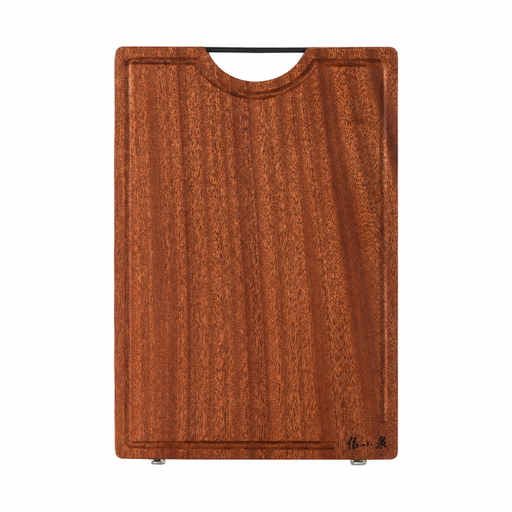
Why This Fits Their Persona: Perfect for daily, intensive use. This user needs a robust, straightforward workhorse that reliably performs its function without requiring special care or attention.
As a solid wood cutting board, it offers high inherent stability and avoids the weaknesses of poorly glued or veneered boards. Its solid construction is designed for longevity.
A robust and generous work surface (40x28 cm) made of solid wood, suitable for a wide variety of cutting tasks.

Why This Fits Their Persona: Ideal for organised cooks who prep meals and prioritise hygiene. The set allows for the separate processing of meat, vegetables, and other foods to prevent cross-contamination.
Carbonised bamboo is extremely dense and moisture-resistant, which counteracts the typical problems of warping and cracking in wooden boards. Each board is also equipped with a juice groove and handles.
A practical set of three sizes for hygienic work. According to the manufacturer, the carbonised bamboo material is particularly durable and resilient.
We have compiled a complete, real-time list of products that fully satisfy these strict selection criteria and UK safety regulations.
1. How do you properly care for a walnut cutting board? Proper care is simple but crucial. Clean the board by hand after use with warm water and mild soap. Dry it thoroughly immediately. Never put a wooden cutting board in the dishwasher. To protect the wood from drying out, rub it every few weeks with a food-safe mineral oil or a special wood conditioning oil.
2. How long does a high-quality wooden cutting board last? With proper care, a solid wooden cutting board can last for many years, often even decades. Its lifespan depends on the quality of the wood, the construction, and the regularity of care. Cracks or severe warping are often signs of poor quality or incorrect treatment.
3. Do walnut cutting boards dull knives faster? No, quite the opposite. Walnut wood has a medium hardness (Janka hardness of approx. 1010 lbf), which is considered ideal for kitchen knives. It is hard enough to resist deep cuts but soft enough not to excessively wear down the knife's edge. Materials like glass, stone, or even extremely hard woods like bamboo are much more aggressive on a knife blade.