
Lieferung heute & morgen

Qualitätsgarantie

Willkommens-Angebote freischalten: KOSTENLOSE Lieferung | Bis zu 80 % RABATT | Kostenlose 30-Tage-JoyPlus-Testphase
App herunterladen
Choosing a new wardrobe can be more complex than it first appears. The wrong model isn't just a daily annoyance; it's a poor investment. Many buyers focus on aesthetics, overlooking critical functional flaws that only become apparent with use. This guide highlights the most common pitfalls and reveals the key parameters for a durable and practical solution.
Before you make a decision, be aware of the most common problems that often only become obvious after assembly:
To avoid these mistakes, base your selection on objective criteria. The following three aspects are central to the functionality and longevity of your new wardrobe.
The foundation of any wardrobe is its material. There are clear differences in quality:
The type of doors directly impacts the wardrobe's everyday usability.
Don't just measure the available space in the room; plan the interior as well.
Based on these objective criteria, we have identified several models suitable for specific living situations and needs.
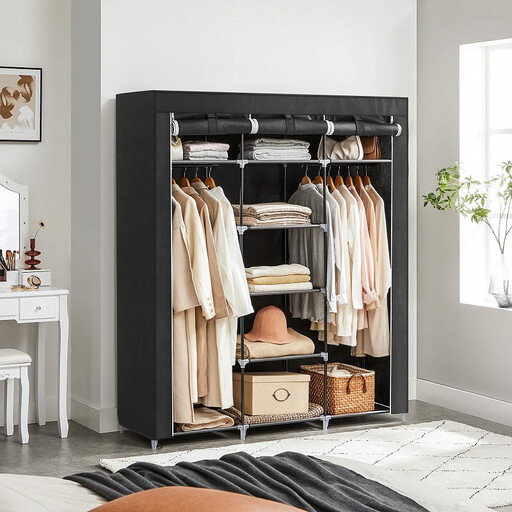
Why This Fits Their Persona: Ideal for students, first apartments, or as a temporary solution in a guest room. Assembly is straightforward and requires no drilling. At 150 cm wide, this fabric wardrobe offers plenty of space without being a permanent, heavy investment.
This model avoids the instability trap with a sturdy metal frame. It provides a solid base for clothing and prevents the sagging common in simpler designs.
Combines a full-length hanging rail with multiple shelves for organised storage. The non-woven fabric cover provides dust protection.
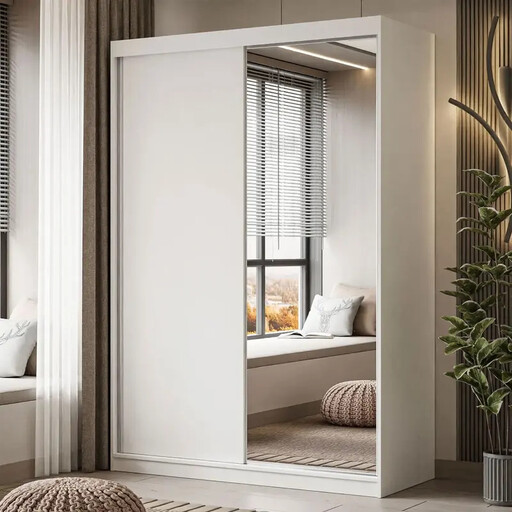
Why This Fits Their Persona: Perfect for use as a modern bedroom wardrobe. The 150 cm width provides ample storage, while the sliding doors don't take up extra space. The white wardrobe with a mirrored front complements many interior design styles.
Directly solves the problem of space-consuming hinged doors. The construction of 16 mm laminated particle board and the aluminium track system ensure the necessary stability and durability.
Maximum space-saving thanks to sliding doors. The mirrored door visually enlarges the room and is functional. The interior layout with 6 shelves and a hanging rail is practical.
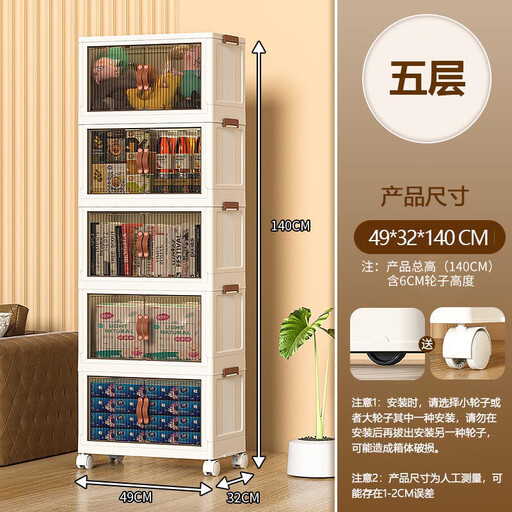
Why This Fits Their Persona: For those seeking a flexible, stackable, and tool-free assembly solution for folded clothes, books, or supplies. Ideal for utility rooms, basements, or as an open shelving system in a living area.
This system bypasses the impractical layout trap by offering a purely shelf-based, modular structure. Its rigid polypropylene construction is more stable than simple fabric shelves.
Extremely fast, tool-free assembly. Folds flat when not in use. Versatile, not just for clothes. Also available in a 3-tier version.
We have compiled a comprehensive, up-to-date list of products that meet these strict selection criteria.
Tall wardrobes, especially in households with children, should always be secured to the wall to prevent tipping. Most manufacturers include anti-tip kits (wall brackets) for this purpose. Ensure you use screws and wall anchors appropriate for your wall type (e.g., concrete, drywall), as these are not always included. The wardrobe's assembly manual usually contains detailed instructions for attachment.
Although the terms are often used interchangeably, there are subtle differences. A fabric wardrobe typically refers to a metal pole frame covered with a fabric shell, often including a hanging rail. A folding wardrobe can refer to a modular system of rigid plastic elements that expands and collapses like an accordion and consists primarily of compartments. Both are lightweight and flexible storage solutions.
The maximum load capacity varies greatly depending on the model and material. For sturdy wooden wardrobes, it is often between 20 and 40 kg. For lightweight fabric wardrobes, the capacity is significantly lower, potentially around 10 to 15 kg. It is essential to check the manufacturer's specifications and distribute the weight evenly along the rail to prevent sagging.