
Lieferung heute & morgen

Qualitätsgarantie

Willkommens-Angebote freischalten: KOSTENLOSE Lieferung | Bis zu 80 % RABATT | Kostenlose 30-Tage-JoyPlus-Testphase
App herunterladen
Published: 2026-07-10 By: Joybuy Product Recommendation Officer
Looking for a snack that offers more than just salt? Wasabi peanuts combine the nutty flavor of peanuts with a distinctive, zesty heat. However, the market is vast, with significant differences in taste, texture, and heat level. This guide will help you understand the various options and find the perfect wasabi nuts for your palate, whether for a relaxing night in or as a highlight at your next party.
To find the right wasabi-coated peanuts for your preferences, a few objective criteria can help guide your decision.
A key feature of many wasabi peanuts is their crispy coating. These dough-coated peanuts often consist of a blend of wheat or rice flour and starch, which provides the signature crunch. Pay attention to the peanut-to-coating ratio. A higher peanut content usually means a nuttier flavor, while a thicker coating emphasizes the crunchy texture and wasabi aroma. Some products also skip a thick coating and season the peanuts more directly.
Wasabi's heat comes from mustard oils and typically delivers a short, intense kick to the nose, rather than a lingering burn in the mouth like chili. The heat level can vary greatly between brands. Some products go for a very direct and powerful wasabi kick, while others balance the heat with sweet or savory notes. Additional spices like onion powder, soy sauce, or nori (seaweed) can further refine the flavor profile, turning the snack into a complex Asian snack. If you want to buy spicy peanuts, it's worth checking the ingredients list to get an idea of the flavor profile.
It's always a good idea to check the ingredients list. Besides peanuts, many products contain wheat (gluten) and soy. Individuals with related intolerances should be particularly mindful. The list also provides information on the types of fats used (e.g., palm oil or soybean oil) and whether natural or artificial flavors and colorings are included.
Here is a selection of products that cater to different flavor profiles and preferences.
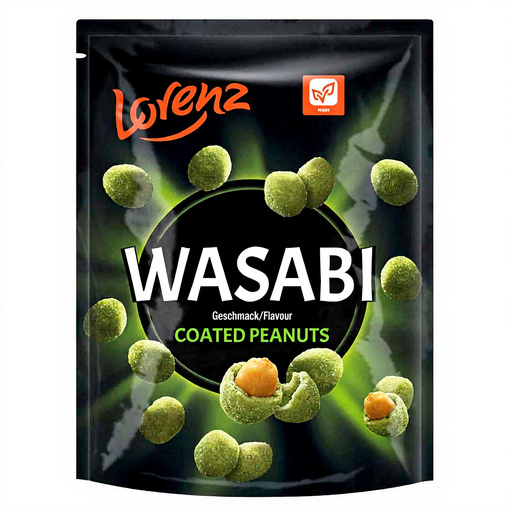
What Makes This Product Stand Out Lorenz Wasabi Peanuts offer a classic snacking experience with a distinctly crispy shell. The peanut kernel (46%) is encased in a dough coating made of starch and rice flour, delivering an intense and savory mustard flavor. The aroma is rounded out with onion and yeast extract for a complex taste. According to the manufacturer, the green color is achieved with spirulina concentrate.
Pros:
Best for:
View Details for Lorenz Wasabi Peanuts
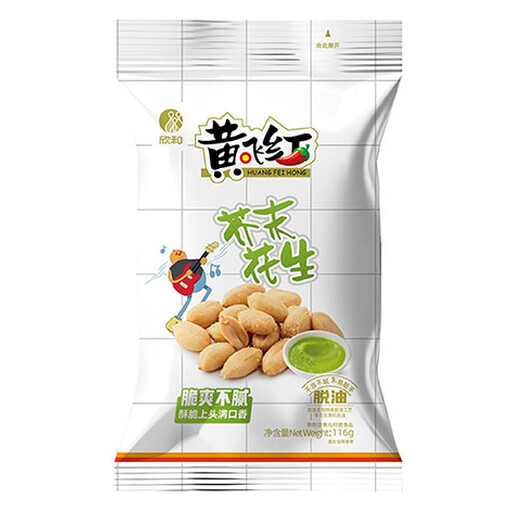
What Makes This Product Stand Out This product from the HuangFeiHong brand stands out with its very high peanut content of 90%. Instead of a thick dough coating, the peanuts are directly covered with a savory seasoning blend. The seasoning is based on a combination of mustard-flavored spices, soy sauce powder, and real mustard oil (1.8%), which creates an authentic and sharp taste.
Pros:
Best for:
View Details for HuangFeiHong Wasabi Peanuts
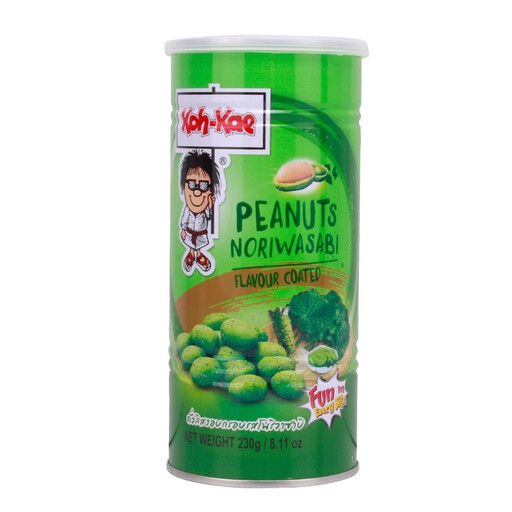
What Makes This Product Stand Out The peanuts from Koh-Kae in Thailand combine the heat of wasabi with the umami flavor of nori (seaweed). The peanuts are covered in a crispy wheat flour-based shell, seasoned with wasabi and nori powder. This combination creates a multi-layered, Japanese-inspired flavor experience. The 230g bag is well-suited for social gatherings.
Pros:
Best for:
View Details for Koh-Kae Coated Peanuts
Wasabi peanuts are just one of many options when it comes to savory snacks. If you'd like to explore other flavors or nut varieties, you'll find a diverse selection in our broader category.
Discover More Salty Peanut Snacks Here
The spiciness of wasabi peanuts varies by brand and recipe. The heat is caused by mustard oil glycosides, which create a short, intense burst of spiciness that primarily hits the nose. Unlike capsaicin from chilis, this heat is usually not long-lasting. Products with a higher content of wasabi powder or mustard oil tend to be spicier.
Although wasabi is a key component of Japanese cuisine, wasabi peanuts as a snack are a global phenomenon. They are often called Japanese peanuts because their flavor is inspired by Japan. However, they are produced worldwide, including in Germany, Thailand, and China, with each region having its own take on the recipe.