What should you look for when buying?
First, check the care labels and the programmes offered by the specific model. Then compare the load capacities for washing and drying, as well as the consumption figures for a complete cycle.
| Consideration |
What to check before buying |
Who it matters to most |
| Stains on aprons |
Check that the wash programmes, temperature settings and any stain option are suitable for the care instructions on your aprons. |
If I want to wash machine-washable aprons with everyday laundry, I need a suitable programme rather than a blanket-intensive cycle. Around 31% of consumers put apron cleaning first. |
| Caring for outdoor layers |
Check which outdoor functions the specific model offers for washing and drying, and what the care labels allow. |
For coated or waterproof clothing, I want to take the material and permitted drying method into account. Around 25% of consumers prioritise caring for outdoor layers in a way that suits the material. |
| Complete wash-and-dry cycle |
Compare the washing and drying capacities separately, along with the load limits for the programme you want to use. |
If I want to dry a load without taking anything out, drying capacity is crucial. Around 25% of consumers prioritise a complete wash-and-dry cycle. |
| Space and consumption |
Check the appliance dimensions and connections. On the EU energy label, distinguish between the wash cycle and the complete wash-and-dry cycle. |
If space is limited, I want to weigh up the space-saving benefit against the consumption involved in frequent drying. Around 19% of consumers prioritise space and running costs. |
Washer-dryers at Joybuy
The following products at Joybuy are washer-dryers. Compare their listed washing and drying capacities and programmes with the care instructions for your fabrics.
 No image available
SAMSUNG washer-dryer, 9 kg/6 kg
May be worth considering if you want a combined wash-and-dry cycle and a specifically listed stain function.
9 kg washing capacity and 6 kg drying capacity; 1400 rpm. The product title mentions Load & Stain Detection.
Joybuy
 No image available
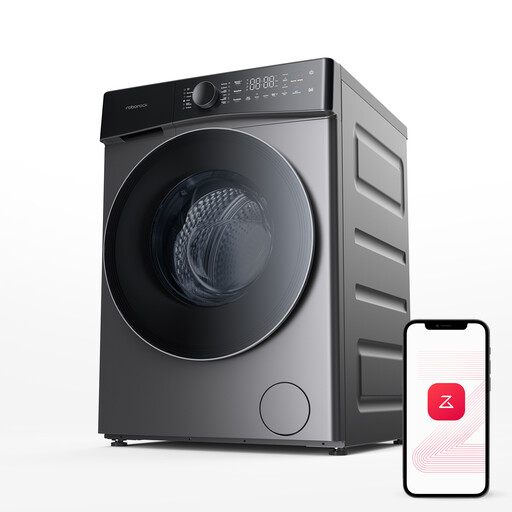
Roborock Zeo Lite Grey washer-dryer, 10 kg/6 kg
May suit households looking to compare the washing and drying capacities of a washer-dryer separately.
10 kg washing capacity and 6 kg drying capacity. The product title mentions Zeo-Cycle drying and a LintClear self-cleaning system.
Joybuy
 No image available
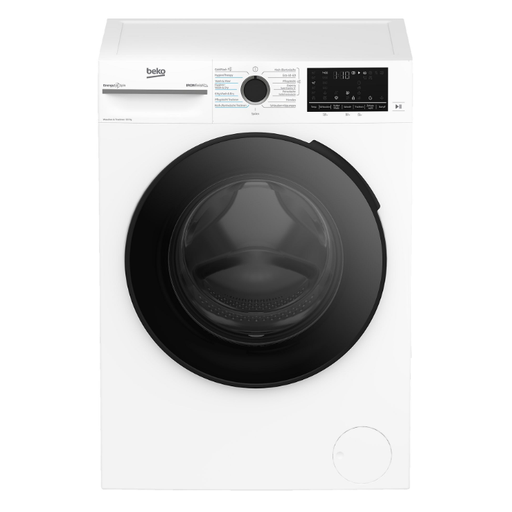
Beko BM3DT4944W washer-dryer, 9 kg/6 kg
Could be a good fit if you’re comparing washer-dryers with separately listed washing and drying capacities.
9 kg washing capacity and 6 kg drying capacity; 1400 rpm. The product title mentions SteamCure.
Joybuy
 No image available
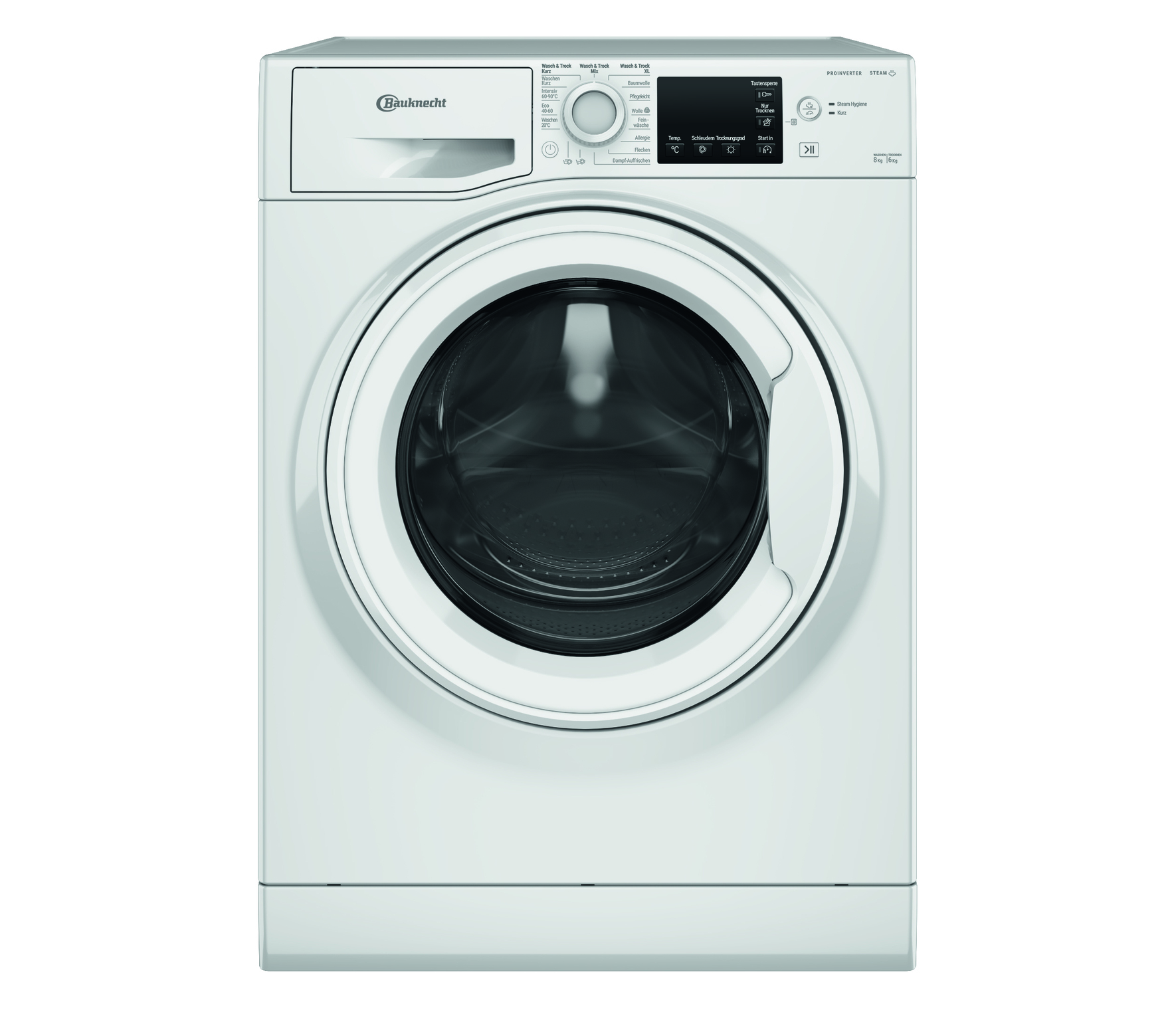
Bauknecht WD Eco Shield 8614 D, 8 kg/6 kg
May be worth comparing if you’re looking for a specifically listed stain programme. Check that it’s suitable for the relevant care label.
8 kg washing capacity and 6 kg drying capacity. The product title mentions Stains 40°.
Joybuy
 No image available
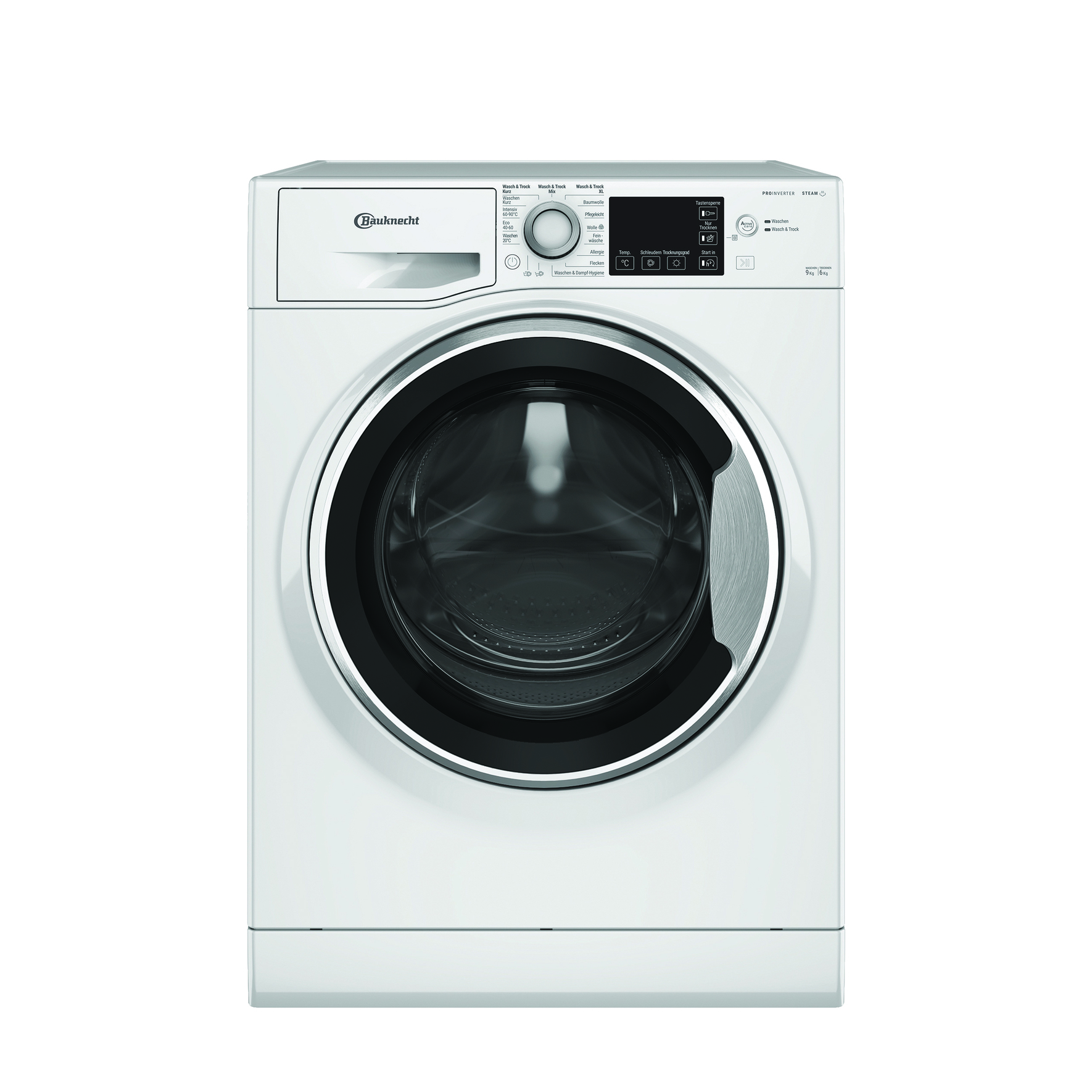
Bauknecht WADR ACTIVE 9614 D, 9 kg/6 kg
Could be an option if you’re comparing washer-dryers with a stated capacity for a complete wash-and-dry cycle.
9 kg washing capacity and 6 kg drying capacity; 1400 rpm. The product title mentions Active Care Wash & Dry.
Joybuy
Frequently asked questions
Can I wash muddy outdoor clothing and machine-washable aprons together?
Not necessarily. First, compare the care labels and sort items according to how they need to be treated. Technical fabrics may have different detergent and programme requirements from hard-wearing aprons. For aprons used in commercial food preparation, you should also follow your workplace hygiene procedures.
Is an outdoor programme automatically suitable for drying too?
No. Check washing and drying separately. The key is to find out which functions the specific model offers and whether the garment’s care label allows tumble drying.
How much laundry can a washer-dryer wash and dry in one cycle?
It depends on the stated drying capacity and the load limit for the programme you choose. Compare the capacities in kilograms for washing alone and for washing and drying separately. With a larger load, you may need to remove some items or hang part of the load out to dry.
Which figures on the energy label should I compare?
Compare the figures for the wash cycle and the complete wash-and-dry cycle separately. Since 1 March 2021, the EU energy label for washer-dryers has used a scale from A to G.
Do aprons used in a shared kitchen need to meet the same standards as those at home?
Not necessarily. Germany’s Federal Institute for Risk Assessment recommends clean workwear and keeping personal clothing separate from workwear in its hygiene guidance for communal catering. This guidance alone does not determine the washing procedures for a specific workplace, so follow your workplace hygiene procedures.


