What should you look for when buying?
For a shared laundry schedule, the full programme duration, combined load capacity and care symbols are particularly important. Compare consumption figures only for the same operating mode.
Washer-dryer with a continuous programme
A good fit if: you only have space for one appliance and the load of aprons suitable for tumble drying, along with the full cycle, fits into your laundry slot.
Consider: washing and drying use the same appliance one after the other; drying capacity and cycle time may limit the size of the load.
Washing machine and separate tumble dryer
A good fit if: you have space and connections for both appliances, and handling several loads or consecutive laundry sessions is important.
Consider: this solution needs more floor space. The Verbraucherzentrale says washer-dryers use more electricity and water than separate appliances.
Wash and air-dry
A good fit if: the care label rules out tumble drying, or you have a suitable place to dry items and enough time before they’re needed again.
Consider: the appliance is free once the wash has finished, but the aprons may not be ready to use again immediately after your laundry slot.
| Concern |
What to check when buying |
Who it matters most to |
| Time slot |
How long the full wash-and-dry programme takes with the intended load, the time-remaining display and the rules for the shared laundry schedule. |
If my laundry slot is tight, I need time for the whole cycle and to unload the appliance. Around 29% of consumers put their available time slot first. |
| Number of aprons |
Compare the expected load with the washing capacity and the lower combined drying capacity. |
If you group several aprons together for each session, you’ll want to minimise splitting the load or running an extra drying cycle. Around 23% of consumers name this as their main concern. |
| Fabric care |
Check the care symbols for each type of apron against the available wash and drying programmes. |
If aprons have different care symbols, I want to avoid using an unsuitable treatment. Around 18% of consumers prioritise care requirements. |
| Electricity and water |
On the EU label, distinguish between figures for wash-and-dry and wash-only cycles, as well as water use per cycle. |
If you regularly use the dryer, you’ll want to compare consumption for the complete cycle. Around 18% of consumers are most concerned about electricity and water use. |
| Space |
Check the dimensions, room for the door to open and connections at the intended installation site. |
If you only have space for one appliance, finding the right fit is essential. Around 12% of consumers name this as their main concern. |
Joybuy product selection
This selection includes washer-dryers as well as a laundry tower with a separate washing machine and tumble dryer. For each model, check that the appliance type, capacities and full programme suit your laundry schedule.
 No image available
LG WT1210EGF WashTower, 12 kg washing and 10 kg drying capacity
This laundry tower, with a washing machine and tumble dryer, may suit you if you have room for both appliances and a shared laundry setup that works with separate machines.
12 kg washing capacity and 10 kg drying capacity; heat pump tumble dryer.
View at Joybuy
 No image available
LG WT1210WWF front-loading washer-dryer, 12 kg washing and 10 kg drying capacity
This model may suit you for washing several aprons together, provided the load suitable for tumble drying fits within the stated combined capacity.
12 kg washing capacity and 10 kg drying capacity; Dual Inverter heat pump.
View at Joybuy
 No image available
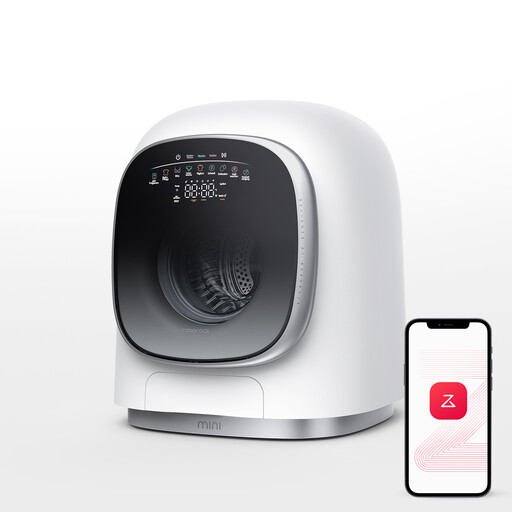
Roborock Zeo Mini washer-dryer, 1 kg washing and 0.5 kg drying capacity
This model is only worth considering for very small numbers of aprons; its drying capacity limits how much you can process in one cycle.
1 kg washing capacity and 0.5 kg drying capacity.
View at Joybuy
 No image available
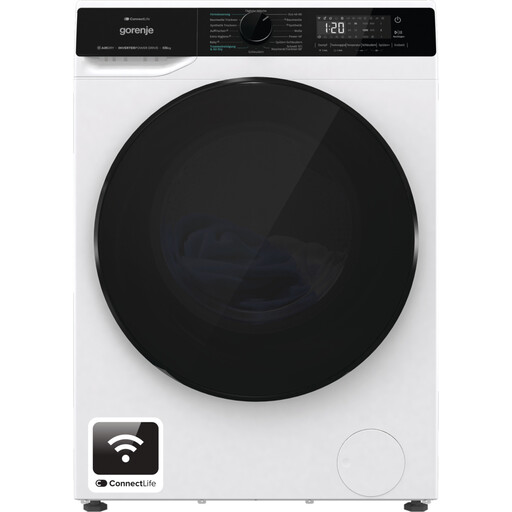
Gorenje WD2PA854ADW washer-dryer
If you want to wash several aprons together, check the capacity and cycle time for the full wash-and-dry programme before choosing this model.
The product name gives 8 kg; check the product data sheet for the specific appliance to confirm the operating mode that matters for your laundry schedule.
View at Joybuy
 No image available
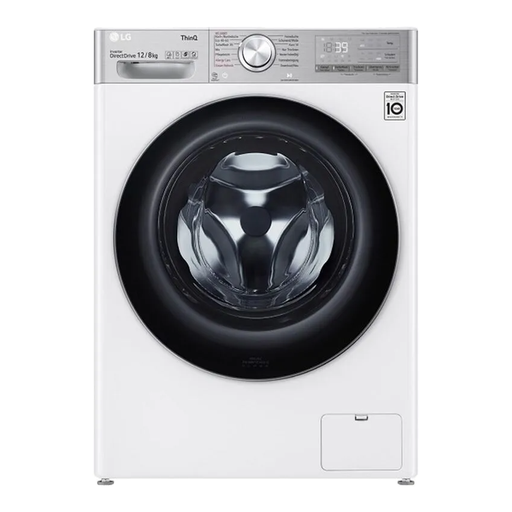
LG V9WD128H2 AI DD washer-dryer
Before deciding, check the capacity figures for this exact model rather than judging its suitability from the product name alone.
Joybuy gives 12 kg in the product title, while the product specifications show a washing capacity of 9 kg. The drying capacity can’t be determined from this alone; check the model number and data sheet.
View at Joybuy
Frequently asked questions
Can every washable apron be washed and dried in a continuous washer-dryer cycle?
No. The washing symbol describes the permitted wash treatment; it doesn’t automatically mean the item is suitable for tumble drying. GINETEX recommends checking the washing and drying symbols on each apron. If tumble drying isn’t permitted, you’ll need to use another approved drying method.
How should I plan a shared laundry slot?
Check how long the full wash-and-dry programme takes with a suitable load, compare it with your available time and allow time to unload the appliance. Delay start and a time-remaining display can help you organise the wash, but they won’t shorten the cycle or override the shared laundry schedule rules.
Which consumption figure matters if I wash and dry frequently?
For complete cycles, the EU label’s figure for wash-and-dry mode is the relevant one; the wash-only figure describes a different operating mode. The European Commission lists the modes separately. Also compare water use and make sure you’re using the same reference basis.
What should I consider when it comes to maintenance and customer service?
Follow the maintenance instructions in the manual for the specific appliance, and check before you buy what customer service and repair options are available. The Verbraucherzentrale distinguishes the statutory consumer guarantee against the seller from a voluntary manufacturer’s warranty.
Are there specific hygiene recommendations if the aprons are worn in a food business?
If the aprons are used as workwear in communal catering, the Bundesinstitut für Risikobewertung recommends, among other things, keeping personal and work clothes separate and wearing fresh workwear each day. This doesn’t mean there’s one recommended washing temperature for every apron, or that every domestic washer-dryer is suitable for a particular business. Also check your workplace hygiene requirements and the care labels. This work-related use is not assumed for aprons worn at home.


