Apron wearers with no space to dry laundry
If your laundry area is small and you don’t have extra room for a drying rack, an appliance that washes and dries could be an option. Whether an apron can go in the tumble dryer depends on its care label.


A washer-dryer could be a good choice if you only have space for one appliance and your aprons’ care labels say they can be tumble-dried. First, measure the space, doorway and connections. Then compare the capacity for a full wash-and-dry cycle with the separate energy and water figures. If air-drying is an option, a washing machine on its own may be a better fit. The Verbraucherzentrale (German consumer advice centre) points out that washer-dryers use more electricity and water than separate appliances.
If your laundry area is small and you don’t have extra room for a drying rack, an appliance that washes and dries could be an option. Whether an apron can go in the tumble dryer depends on its care label.
If you regularly need a fresh apron, check the capacity for a full wash-and-dry cycle and the programme requirements against the size of your actual load.
If your aprons have different care requirements, or you only tumble-dry occasionally, suitable programmes and separate consumption figures for washing and combined wash-and-dry cycles are particularly important.
First check that the appliance will fit in your laundry area. Then compare its combined capacity, your care labels and its energy and water use with your day-to-day needs.
| What matters | What to check before buying | Who should pay particular attention? |
|---|---|---|
| Space needed | Compare the exact model’s dimensions with the available space, doorway and connections. Check the order in which the dimensions are listed; the appliance’s depth alone doesn’t confirm that it will fit. | If the space is tight, I want to be sure the appliance and connections will fit. Around 31% of consumers put available space first. |
| Combined capacity | Compare your apron load with the wash-and-dry capacity and the load limit for your chosen programme. | If I want to dry all my aprons in one go, without splitting the load, the lower combined capacity is crucial. Around 25% of consumers prioritise throughput. |
| Fabric care | Check the wash temperature, care instructions and tumble-drying symbol on each apron before choosing a programme. GINETEX Germany explains that a bar under the wash symbol means the item needs gentler treatment. | If the aprons are made from different materials, I want to choose programmes that match their care labels. Around 25% of consumers put fabric care first. |
| Energy and water use | Compare electricity and water figures for a full wash-and-dry cycle separately from those for washing alone, and take into account how often you’ll use the appliance. | If I tumble-dry frequently, I want to assess consumption in line with how often I use the appliance. Around 19% of consumers prioritise running costs. |
The Verbraucherzentrale distinguishes between the full wash-and-dry cycle and the wash-only cycle on the energy label. Compare like with like rather than relying on a single figure.
The maximum wash load may be larger than the load the appliance can then dry in a continuous wash-and-dry cycle. You may need to split a larger load of aprons.
Compare the size of your load with the stated combined capacity and the load limit for your chosen programme.
If you need to split the load, you may need to run another drying cycle or find somewhere to store the washing in the meantime.
Wash and tumble-drying symbols give different care instructions. An apron that can be washed isn’t automatically suitable for machine drying.
Check the care labels on all your aprons before choosing a combined programme. GINETEX Germany explains the symbols and their care limits.
The wrong treatment could damage the fabric.
The consumption figure for washing alone doesn’t show how much energy and water a full wash-and-dry cycle uses. The Verbraucherzentrale also points out that combined appliances use more electricity and water than separate machines.
Compare the figures for full cycles and wash cycles separately, and consider how often you’ll actually use the tumble-dryer.
The appliance’s depth alone doesn’t tell you whether the door can open or the connections will work in the space you have in mind.
Measure the space and check the installation instructions for the exact model before you decide.
An unsuitable space could mean extra work when the appliance is delivered or connected.
The G3 HWD80-BP14637T is worth comparing if the appliance’s depth is an important consideration for your laundry area.
The Series 4 WNA13441 offers a point of comparison for combined capacity and a programme for small loads.
The W4WR7096YB is an option if a stated drying capacity of 6 kg in a single appliance is important to you.
The LWR7W8069EU can be compared using its stated capacities and energy consumption figures.
The freestanding BM3DT4844W1 adds a model with an 8 kg washing capacity and a 5 kg drying capacity to the comparison.
The products below include appliances that wash and dry in one machine, as well as compact washing machines. Before choosing, check that the stated capacity and appliance type suit your apron load and care labels.
 No image available
Described as a washer-dryer for a single appliance space; your apron load needs to fit within the stated washing and drying capacities.
10 kg washing capacity and 6 kg drying capacity.
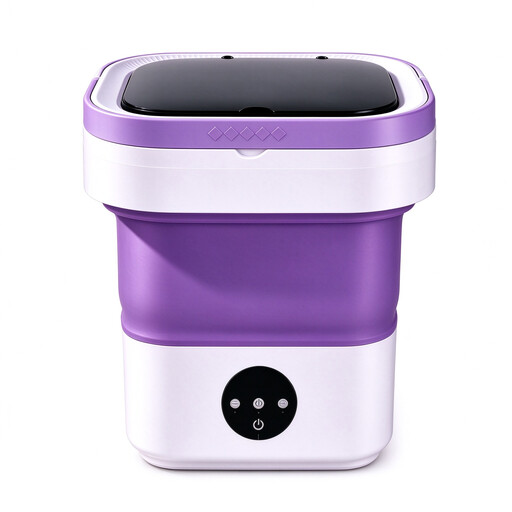 No image available
The title describes a foldable mini washing machine and a portable 3-in-1 clothes dryer. Before buying, check that this type of appliance suits your apron load and care requirements.
 No image available
For a combined wash-and-dry cycle; make sure your apron load is within the stated drying capacity.
9 kg washing capacity, 6 kg drying capacity and 1400 rpm. The title lists energy class A (washing) and D (overall).
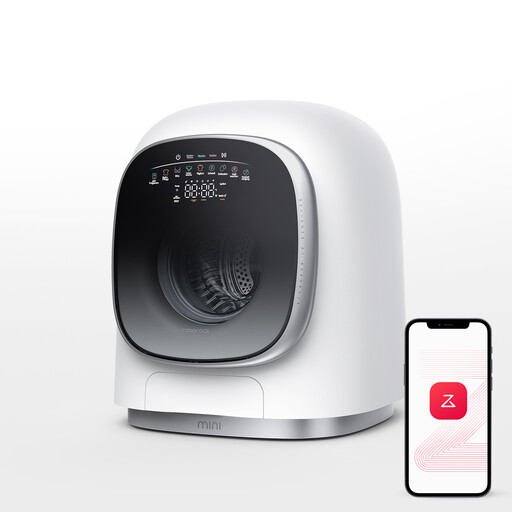 No image available
The stated capacities are limited to small loads; compare them with the amount of laundry in your apron load before choosing this appliance.
1 kg washing capacity and 0.5 kg drying capacity.
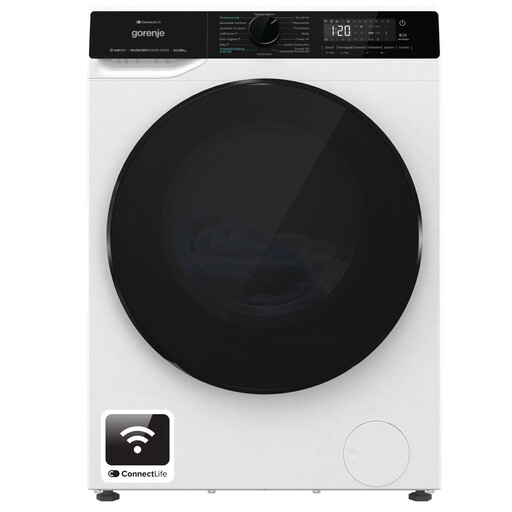 No image available
Described as a washer-dryer that washes and dries in one appliance. Check the drying capacity and programmes for your aprons before deciding.
10.5 kg washing capacity and 1400 rpm.
No. Check the tumble-drying symbol separately from the washing symbol. A crossed-out tumble-dryer symbol means the apron shouldn’t be tumble-dried.
Compare the exact model’s dimensions and installation instructions with your available space, doorway and connections. When setting up the appliance, also follow the instructions for removing its transit bolts.
They relate to different uses: the full wash-and-dry cycle and washing alone, each measured in kWh per 100 cycles. The Verbraucherzentrale explains these separate figures; compare the one that matches how you’ll actually use the appliance.
If a product is faulty, your statutory rights are against the seller; a manufacturer’s guarantee is separate. Electrical appliances must not go in household rubbish. Local recycling centres accept them, and retailers have take-back obligations in certain circumstances under the ElektroG (German Electrical and Electronic Equipment Act).