Families with lots of towels
If you wash several bath towels together, the key question is whether the load will fit in the drying cycle without being split. That means checking the lower capacity figure for washing and drying.


Compare your usual bath towel load with the capacity for a complete wash-and-dry cycle, not just the larger wash capacity. If you often have large loads and space for two appliances, a washing machine and separate tumble dryer may be a better fit. If you only have room for one appliance, a washer-dryer could work, provided the load size, energy and water use, and cycle time suit your routine.
If you wash several bath towels together, the key question is whether the load will fit in the drying cycle without being split. That means checking the lower capacity figure for washing and drying.
A washer-dryer could be a good option if you need to dry clothes in a machine but only have space for one appliance. The load size and energy and water use for a complete cycle should also suit your household.
If you regularly tumble-dry bath towels, compare the complete wash-and-dry cycle with a separate washing machine and tumble dryer.
A good fit if: you have room for just one appliance and your usual towel load fits within the wash-and-dry capacity, or can be split.
The trade-off: One appliance takes up less space, but its drying capacity may be lower than its wash capacity.
A good fit if: you regularly have larger towel loads and have space for two appliances, or can safely stack them.
The trade-off: The German Consumer Advice Centre recommends this option over a combined appliance when space allows. Check the capacity and energy and water use of both appliances individually.
A good fit if: you have enough suitable space to dry your towels and don’t need them to be tumble-dried straight away.
The trade-off: You won’t need a machine drying cycle, but you’ll need to allow time and space for air-drying.
With washer-dryers, check the wash capacity and the capacity for a complete cycle separately. The German Consumer Advice Centre points out that combined appliances can use more electricity and water than separate machines, and may not be able to dry a full wash load in one go.
| What matters when buying | What to check | Who it matters most to |
|---|---|---|
| Drying capacity and throughput | Compare your usual dry towel load with the kg figures for washing and for washing and drying; factor in the length of a complete cycle. | If I want to dry several bath towels without stopping, the lower capacity is the one that matters. Around 36% of consumers say towel throughput is their main buying priority. |
| Electricity, water and running costs | Compare figures for the same operating mode, such as kWh per 100 cycles and litres per cycle; take how often you’ll use the appliance and your own tariffs into account. | If you plan to run complete wash-and-dry cycles frequently, you’ll want to know how much they’ll cost to run. Around 29% of consumers put running costs first. |
| Washing towels and appliance care | Check the care label and choose a suitable wash programme; clean the relevant areas as instructed for your appliance. | If I want to care for my towels properly, I’ll check the programmes and cleaning instructions before buying. Around 21% of consumers pay particular attention to hygiene and care. |
| Space and installation | Measure the installation space and access route; check the appliance dimensions and connection requirements against the model’s documentation. | If there isn’t room for two appliances, a washer-dryer could be a practical solution. Around 14% of consumers say having room for just one suitable appliance is their main buying priority. |
The two figures can differ. So a full wash load won’t necessarily fit into the drying cycle afterwards without being split.
Compare your usual towel load with the stated wash-and-dry capacity.
An extra drying cycle takes time and ties up the appliance for longer.
Energy figures for washing alone and for washing and drying apply to different operating modes.
Compare complete cycles like for like and consider how often you plan to use the drying function.
Capacity, features and product information can vary depending on the exact model number.
Before choosing, check the full model name and the details for that specific version.
Beko lists the B3DFT512447W washer-dryer with a 12 kg wash capacity and an 8 kg drying capacity.
LG offers models with different capacities and features, including the W4WR7096YB with a 9/6 kg capacity and the LSWD099X with a 10/7 kg capacity.
The AEG LWR9W81609 is listed with a 10 kg wash capacity and a 6 kg drying capacity. AEG provides separate energy figures for washing and for a complete cycle.
Siemens lists the WN54C2A40 with a 10.5 kg wash capacity and a 6 kg capacity for washing and drying.
The Bosch WNG24442 is listed with a 9 kg wash capacity and a 6 kg wash-and-dry capacity.
This selection includes washer-dryers and a washing machine and separate tumble dryer set for households that want to wash and tumble-dry their towels.
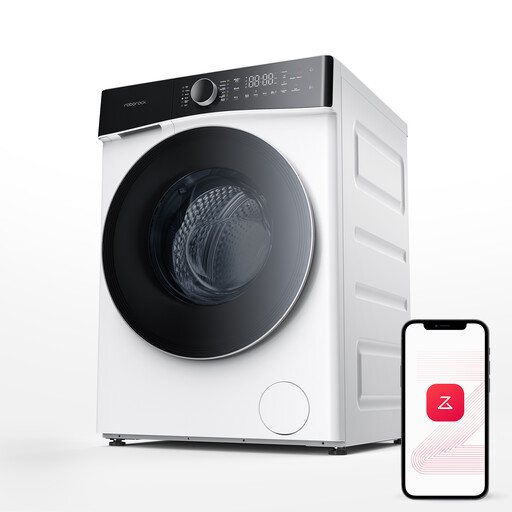 No image available
The stated drying capacity of 6 kg is the key figure for a towel load you want to dry in one go; larger wash loads may need to be split.
The product name lists a 10 kg wash capacity and a 6 kg drying capacity, Zeo-Cycle drying, LintClear and automatic dosing. Energy class E.
 No image available
The stated drying capacity of 10 kg helps you work out whether a larger towel load will fit into a complete cycle without being split.
The product name lists a 12 kg wash capacity and a 10 kg drying capacity, as well as a Dual Inverter Heat Pump.
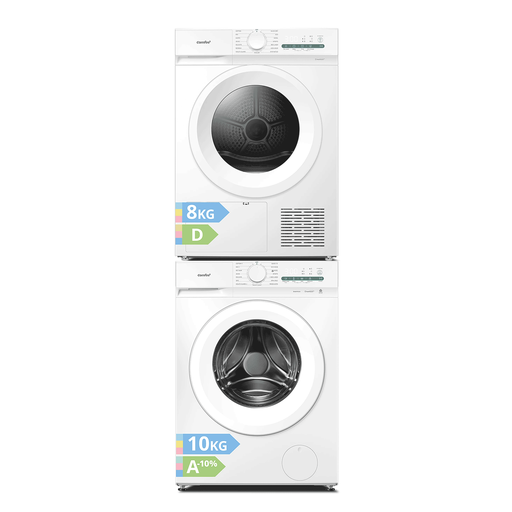 No image available
This set includes two appliances, so it could be a good option if you have space for both a washing machine and a tumble dryer as well as larger loads to wash.
The product name lists a 10 kg washing machine and a separate 8 kg heat pump tumble dryer.
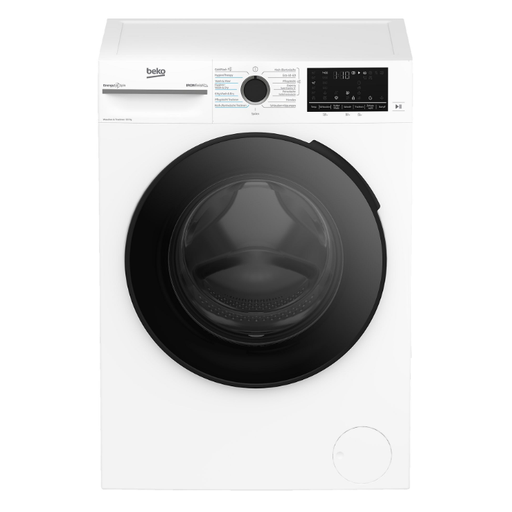 No image available
For a towel load you want to dry in one go, the stated 6 kg drying capacity is the key figure; larger wash loads may need to be split.
The product name lists a 9 kg / 6 kg capacity and 1400 rpm.
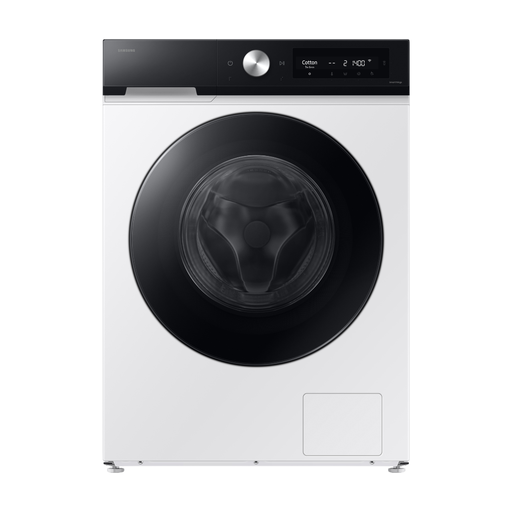 No image available
Check the drying capacity against your actual towel load; a higher wash capacity alone doesn’t tell you whether a complete cycle is possible without splitting the load.
The product name lists an 11+6 kg capacity and energy class D.
No. For a continuous wash-and-dry cycle, check the separately stated capacity for a complete cycle, which may be lower. Compare this figure with your usual load. If your load is larger, you’ll need to plan how to split the cycle.
For hygiene reasons, the German Environment Agency recommends washing towels at 40 or 60 °C. Choose a temperature that’s also suitable for the care label.
Check the dimensions and installation instructions for the specific appliance against your available space and connections. Towels can shed a lot of lint, so clean the areas specified for your model according to its instructions.
New household washer-dryers sold on the German EU market are covered by EU ecodesign and energy labelling requirements; check the figures for washing and for a complete cycle separately. If a product is faulty, under § 439 BGB the buyer can generally request repair or a replacement as a form of subsequent performance. The seller covers the necessary costs, although legal restrictions may apply to the option chosen. Waste electrical appliances should be taken to authorised collection points; whether an appliance can be returned depends on the legal requirements and the circumstances of the purchase.