No room for a separate tumble dryer
If your small flat has no room for a separate appliance and nowhere suitable to hang your bedding, a washer-dryer can save floor space by combining washing and drying.


A washer-dryer is worth considering if your small flat has no room for a separate tumble dryer and no practical way to air-dry your bedding. The key questions are whether your bedding fits within the lower drying capacity, and whether the appliance will fit in the alcove with enough room for the door to open and for the connections. Compare the separate washing and wash-and-dry figures on the EU energy label: the Verbraucherzentrale notes that washer-dryers use more electricity and water than separate appliances.
If your small flat has no room for a separate appliance and nowhere suitable to hang your bedding, a washer-dryer can save floor space by combining washing and drying.
If you want to dry sheets and covers in one go, the stated drying capacity is crucial. It may be lower than the washing capacity.
If you have enough space to air-dry your bedding, weigh the space saved by choosing a single appliance against the electricity and water used for a combined wash-and-dry cycle.
| What matters to you | What to look for | Who should pay particular attention? |
|---|---|---|
| Space | Check the appliance dimensions, clearance for the open door, connections and delivery route to the intended installation spot. | If my small flat has neither room for a second tumble dryer nor a suitable place to dry laundry, I also need to allow for the door and connections. Around 25% of consumers put available space at the top of their list. |
| Drying capacity | Compare your usual bedding load with the stated drying capacity; if necessary, split the load before drying. | I want to dry my sheets and covers after washing without moving them to another appliance, so I check the lower drying capacity. Around 25% of consumers prioritise a capacity that suits their bedding. |
| Energy and water use | Compare the kWh per 100 cycles and water per cycle figures on the EU label for the way you plan to use the appliance. | If I use the tumble-drying function regularly, I want to factor electricity and water use into my decision. Around 20% of consumers see running costs as their main concern. |
| Noise | Compare the declared noise levels of the models you are considering and think about where you plan to install the appliance. | If the appliance will be near my living or sleeping area, the stated noise level matters to me. Around 15% of consumers put noise levels first. |
| Fabric care | Check the care labels on your sheets and covers, as well as the appliance’s washing and drying programmes. | I choose the temperature and drying settings to suit the care labels on my bedding. Around 15% of consumers prioritise suitable fabric care. |
The maximum drying load may be smaller than the washing load. For example, Bosch Hausgeräte Deutschland gives the WNC244070 a washing capacity of 9 kg and a wash-and-dry capacity of 6 kg.
Weigh your bedding load and check that it is within the drying capacity of the specific model.
If the load is too large, you will need to hang some of it up separately or dry it in another cycle.
The EU energy label gives separate figures for washing and washing/drying. The figure that matters most depends on how you use the appliance.
If you tumble-dry regularly, compare the figures for the combined cycle too. The European Commission also includes water use and noise emissions on the label.
The appliance’s depth with the door closed does not tell you on its own whether the door, connections and delivery route will fit your space.
Check the dimensions of the specific model with the door open, and make sure there is enough space for the connections and a clear route into your flat.
The HWD80-BP14637T is a useful model to compare if depth is limited.
The L9WEF80690 is an example of a model with heat-pump drying and separate energy-use figures.
The WNC244070 is an example to compare for drying capacity, appliance depth and noise level.
The WD81TA049BE/EG is a specific washer-dryer model with a washing/drying capacity of 8/5 kg.
The W4WR70E61 is a model to compare if you need more washing capacity than drying capacity.
The products below are washer-dryers for households looking to combine washing and drying in one appliance. Compare the stated drying capacity with your bedding load and check the appliance dimensions against your installation space.
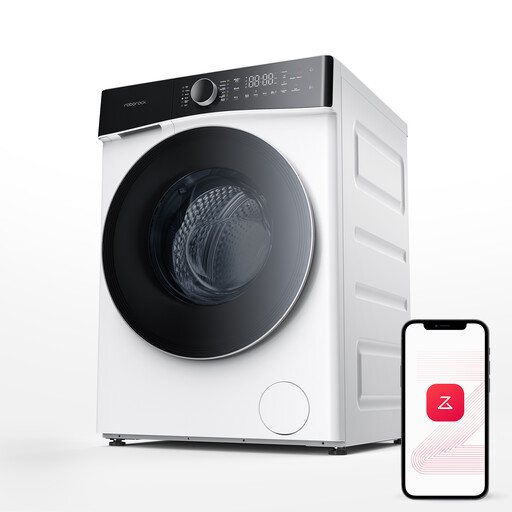 No image available
This washer-dryer combines washing and drying in one appliance; check that your bedding load fits within its drying capacity.
Washing capacity: 10 kg. Drying capacity: 6 kg. Energy class: E.
 No image available
This washer-dryer combines washing and drying in one appliance; compare your bedding load with the stated drying capacity.
Washing capacity: 12 kg. Drying capacity: 10 kg. Heat-pump drying: Dual Inverter Heat Pump.
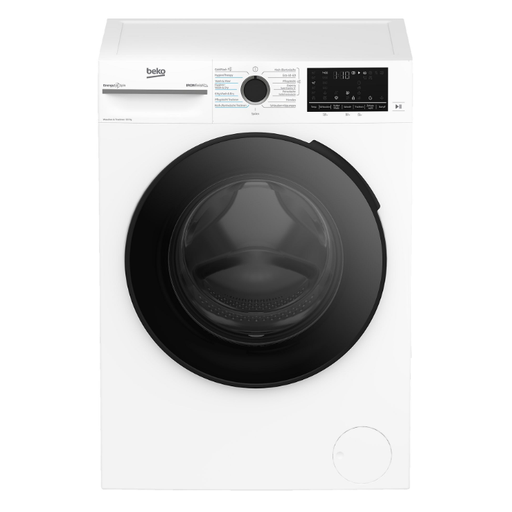 No image available
This washer-dryer combines washing and drying in one appliance; the drying capacity is the key figure for a complete cycle.
Washing capacity: 9 kg. Drying capacity: 6 kg. Spin speed: 1400 rpm. Energy class: D.
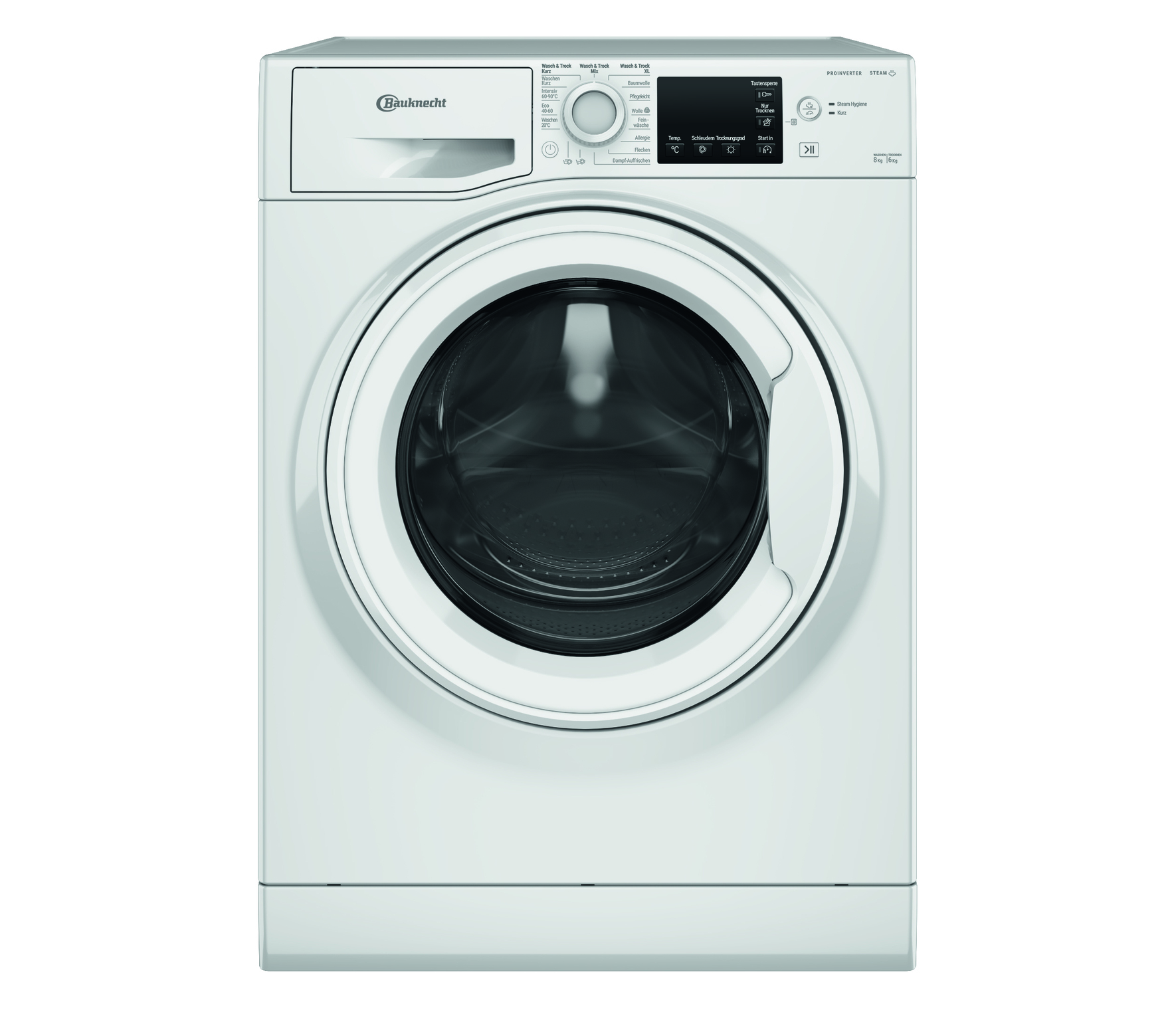 No image available
This washer-dryer combines washing and drying in one appliance; compare the drying capacity with the weight of your bedding.
Washing capacity: 8 kg. Drying capacity: 6 kg. Spin speed: 1400 rpm. Energy class: D.
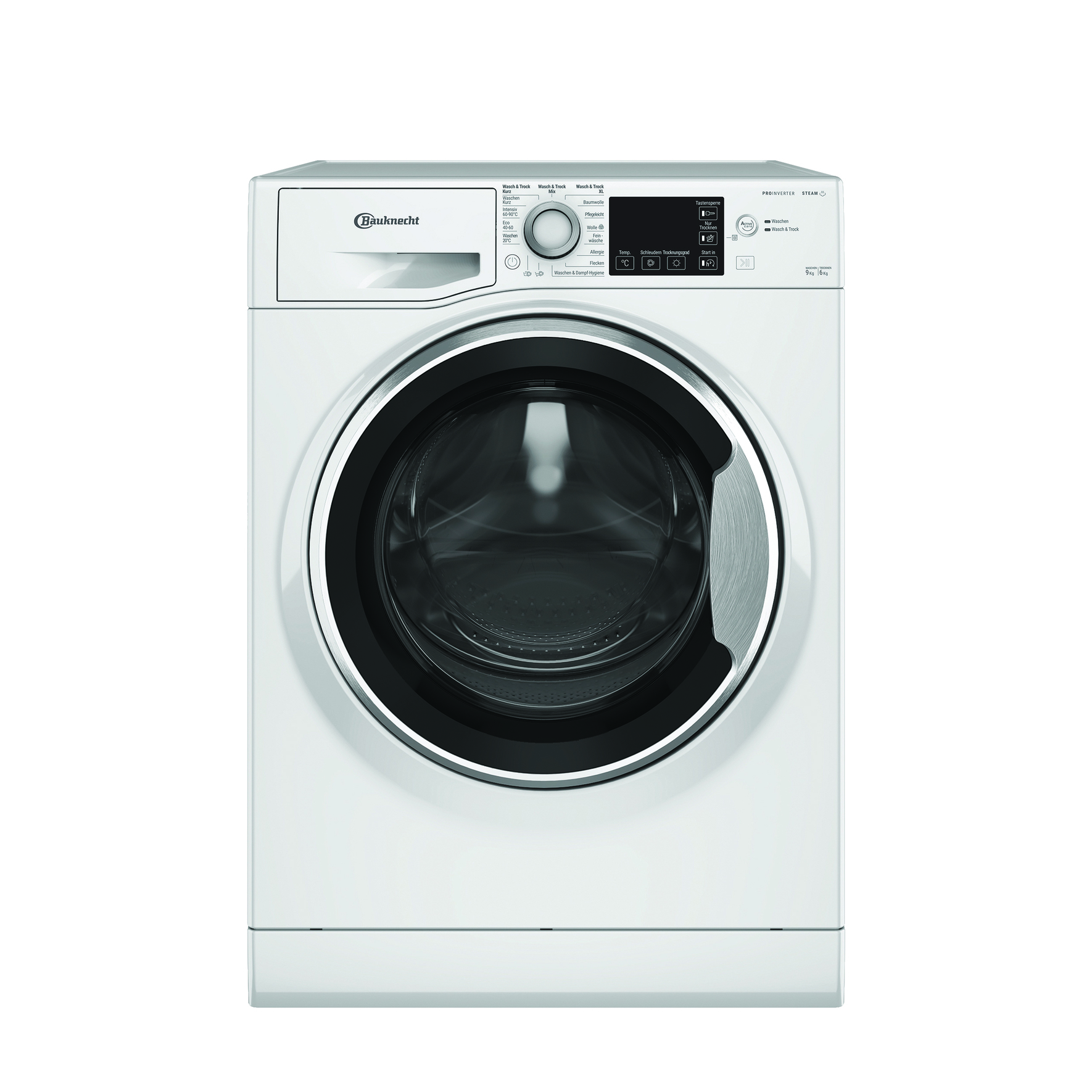 No image available
This washer-dryer combines washing and drying in one appliance; for a complete cycle, bear in mind the lower drying capacity.
Washing capacity: 9 kg. Drying capacity: 6 kg. Spin speed: 1400 rpm. Energy class: D.
Only if the load does not exceed the specific model’s stated wash-and-dry capacity and the fabrics are suitable for tumble drying. For example, Bosch Hausgeräte Deutschland gives the WNC244070 a washing capacity of 9 kg and a wash-and-dry capacity of 6 kg.
Check the appliance dimensions, clearance for the open door and connections at the intended installation spot. The Verbraucherzentrale recommends checking with your landlord before installation to confirm that it is allowed; this does not mean washer-dryers are generally prohibited in rented flats.
The Verbraucherzentrale recommends using the right amount of detergent for the load size, how soiled it is and the local water hardness. It also suggests choosing suitable Eco programmes and washing at the lowest possible temperatures. Follow the care labels on your bedding and the appliance’s care instructions too.
Compare the separate label figures for washing and washing/drying; your running costs also depend on how often you use the appliance and your electricity and water tariffs. The Verbraucherzentrale distinguishes between statutory consumer rights and a voluntary manufacturer’s guarantee, which is subject to its own terms and conditions.
Old electrical appliances must be handed over to an authorised collection provider. The German Federal Ministry for the Environment gives local collection points and retailers as examples; before placing your order, check whether collection of your old appliance is available and what conditions apply.