
Lieferung heute & morgen

Qualitätsgarantie

Willkommens-Angebote freischalten: KOSTENLOSE Lieferung | Bis zu 80 % RABATT | Kostenlose 30-Tage-JoyPlus-Testphase
App herunterladen
A washer-dryer is the ideal solution for households with limited space. This 2-in-1 appliance for washing and drying saves the room required for a second large appliance and significantly simplifies laundry care. However, not every model delivers on its promises. Certain weaknesses in design and technology can lead to disappointment after the purchase. To make an informed decision, it's important to know the typical pitfalls and pay attention to the crucial technical parameters.
Choosing the wrong appliance often leads to three recurring problems: inadequate drying, unexpectedly high running costs, and disruptive noise levels.
A common annoyance is laundry that is still noticeably damp even after a full drying cycle. The cause is usually a mismatch between the washing and drying capacities. For example, a machine might be designed for 8 kg of washing but only have a drying capacity of 5 kg. If the drum is fully loaded for washing, the air cannot circulate sufficiently during the subsequent drying cycle to effectively dry the entire load. The result is damp clothes and the need for another drying cycle.
Since 2021, new EU energy labels have been in effect to provide more transparency. For washer-dryers, however, this often leads to confusion. The label shows two separate energy efficiency classes: one for the wash-only cycle and one for the combined wash and dry cycle. Many appliances achieve a good class for washing (e.g., A or B) but drop to a significantly worse class for the combined operation (e.g., D or E). Anyone who only looks at the more prominently displayed washing efficiency class risks high electricity costs, as the drying process in conventional condenser units is particularly energy-intensive.
The operating volume of a washer-dryer can become a nuisance, especially in open-plan kitchens or poorly soundproofed apartment buildings. High spin speeds and simple motor designs generate vibrations and loud operating noise. Pay attention to the decibel (dB) rating for the spin cycle on the energy label. Modern appliances with inverter motors often operate much more quietly and with fewer vibrations, which significantly enhances living comfort.
To avoid the pitfalls mentioned above, you should carefully examine three core technical aspects before buying.
Most washer-dryers operate as condenser dryers. They heat air with a heating element to extract moisture from the laundry. This method is technically simple but consumes a lot of energy.
A more advanced and significantly more economical alternative is the washer-dryer with a heat pump. This technology uses a refrigeration circuit to heat the air—similar to a refrigerator, but in reverse. Drying occurs at lower temperatures, which not only reduces energy consumption by up to 50% but also protects delicate textiles. Although the initial purchase price is higher, the lower running costs can pay for themselves over the lifespan of the appliance.
The capacity is always specified separately for washing and drying. A washer-dryer with a 9 kg washing capacity typically has a drying capacity of 5 to 6 kg. For a continuous wash and dry cycle without removing any laundry, the machine must only be loaded up to its maximum drying capacity. Families or households with a high volume of laundry should therefore consider models with a large drum and the highest possible drying capacity (e.g., 6 kg or more).
Modern appliances offer a variety of additional functions that make daily life easier. A smart washer-dryer with app connectivity allows for remote control and monitoring. You can start programmes, receive notifications when a cycle is complete, or run remote diagnostics.
A washer-dryer with a steam function is another useful feature. Short steam programmes can refresh worn clothes, neutralise odours, and reduce wrinkles. This saves time on ironing and is gentle on textiles that don't need to be washed after every wear. Time-saving programmes like "Wash & Dry in 60 Minutes" are ideal for small loads of laundry that need to be ready to use again quickly.
Based on the criteria mentioned, we have compiled a selection of models for different user profiles.
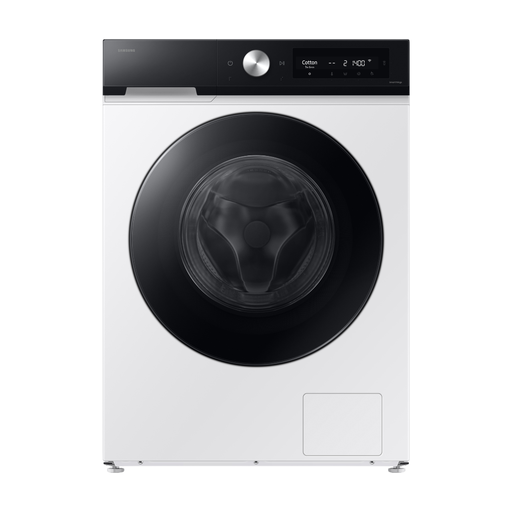
Why it's a great fit: With an 11 kg washing and 6 kg drying capacity, this appliance can handle large laundry loads for a family. The AI Wash function automatically selects the appropriate settings, simplifying operation. Safety features like a full water stop and a child lock provide protection in a family household.
The clearly defined 6 kg drying capacity is sufficient for a typical family load and prevents the "Half-Dry" trap when loaded correctly. The Digital Inverter Motor is designed for quieter operation.
AI Wash for automatic wash optimisation; SuperSpeed programme for fast cycles; comprehensive safety features.
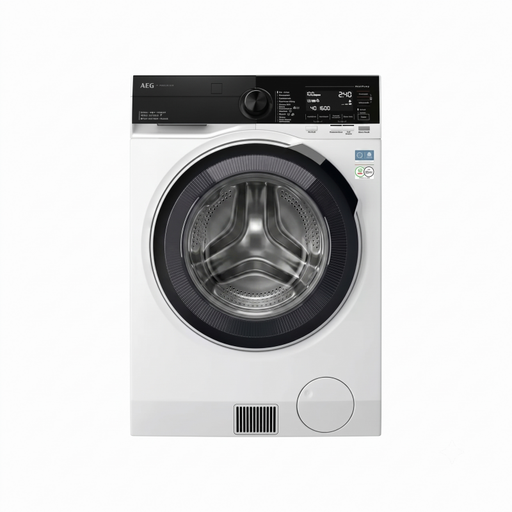
Why it's a great fit: This appliance combines heat pump technology with smart control via an app and a steam function. It is ideal for users who value high energy efficiency, modern technology, and gentle laundry care.
As a washer-dryer with a heat pump, this model directly addresses the "Energy Cost Trap." Its energy efficiency class B for the combined cycle is a significant advantage over pure condenser units. The inverter motor ensures quiet operation.
Heat pump technology for high energy efficiency and gentle drying; ProSteam function reduces ironing; Wi-Fi control via app.
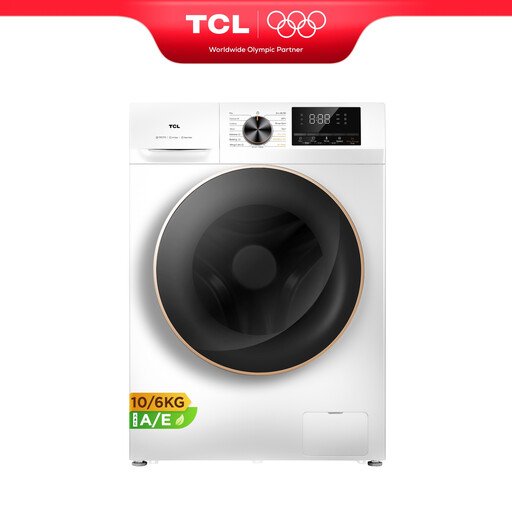
Why it's a great fit: The "Wash & Dry 60'" programme is perfect for a hectic schedule when a shirt or blouse needs to be ready to wear quickly. The brushless direct drive motor (Smart DD) operates quietly, so it won't disturb you while working from home or relaxing in the evening. The delay start feature allows for flexible planning.
The dedicated 60-minute programme offers a reliable and fast solution for small, urgent laundry items. The direct drive motor is designed for low-noise operation, effectively countering the "Noise Trap."
"Wash & Dry 60'" programme for maximum time savings; quiet operation thanks to the Smart DD Motor; steam function for refreshing clothes.
We have compiled a complete, up-to-date list of products that fully meet these strict selection criteria and UK safety regulations.
The average lifespan of a washer-dryer is about 8 to 12 years with proper use and regular maintenance. This is comparable to the lifespan of separate washing machines and dryers. Since a combo unit packs more technology into a smaller space, there are theoretically more potential points of failure. Look for models with long warranties on key components like the motor.
In terms of energy costs, a heat pump washer-dryer is often the more economical choice in the long run. The electricity consumption for drying can be up to 50% lower than that of a condenser unit. However, this is offset by a higher purchase price and potentially longer drying times. The decision depends on whether you are willing to invest more upfront to save on running costs over the years.
Yes, if the wash load exceeds the machine's maximum drying capacity. For example, if you wash a full 9 kg load in a machine with a 9 kg washing and 6 kg drying capacity, you must remove 3 kg of laundry before starting the drying programme. Otherwise, the laundry will not dry properly, and the appliance may be overloaded. For a continuous, non-stop operation, the machine should only be loaded up to its drying capacity.