
Lieferung heute & morgen

Qualitätsgarantie

Willkommens-Angebote freischalten: KOSTENLOSE Lieferung | Bis zu 80 % RABATT | Kostenlose 30-Tage-JoyPlus-Testphase
App herunterladen
One appliance that washes and dries—the promise of a washer-dryer is particularly attractive for households with limited space. The idea of forgoing a separate dryer and the hassle of transferring laundry is appealing. However, choosing the right model is more complex than it seems. Certain marketing promises and technical misunderstandings often lead to a purchase decision you'll later regret.
As your Joybuy Product Recommendation Officer, I'll help you separate the crucial facts from exaggerated advertising claims. We'll shed light on the two most common pitfalls that can lead to dissatisfaction and unexpectedly high running costs.
To avoid a poor purchase, you should be guided not by advertising slogans, but by objective technical data. Three parameters are essential for an informed decision.
The most important rule is to always check both specifications. The rated capacity for washing (e.g., 9 kg) indicates how much dry laundry you can wash. The rated capacity for washing and drying (e.g., 6 kg) indicates how much laundry the appliance can wash and then dry in one continuous cycle. For efficient use without transferring loads, your typical laundry amount should not exceed the drying capacity. For a family of four, a model with at least 9 kg washing and 6 kg drying capacity is often a good benchmark.
An energy-efficient washer-dryer saves significant costs over its lifespan. Look for two values on the EU energy label:
Washer-dryers with a heat pump are particularly economical. Unlike conventional condenser dryers that use a heating element, they use a heat pump to warm the air. This process occurs at lower temperatures, which not only drastically reduces energy consumption but is also gentle on fabrics. Although the initial purchase price is higher, the investment can pay for itself through lower electricity costs.
Modern appliances offer a wealth of programs. Focus on those that genuinely make your daily life easier:
Based on these objective criteria, we have identified a few models that are well-suited for different needs and households.
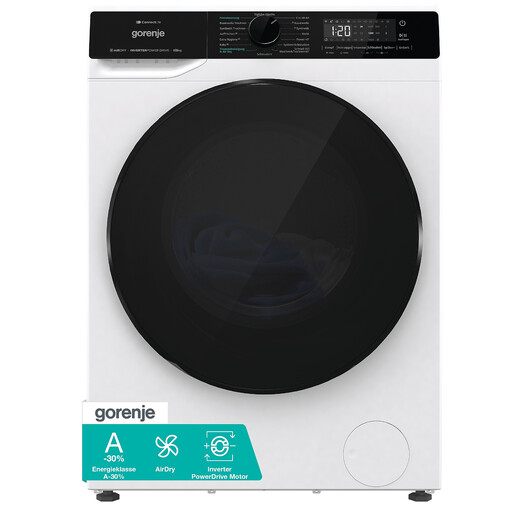
Why This Fits Their Persona: With 8 kg for washing and 5 kg for drying, this model provides a solid foundation for one to two-person households. Its compact dimensions and useful features like the steam function (SteamTech) and Wi-Fi connectivity (ConnectLife) make it a practical all-in-one solution for modern city apartments.
The 8/5 kg capacity difference is clearly stated and is well-suited for smaller laundry loads, avoiding the mistake of trying to dry oversized loads. The combined energy class D is a transparent trade-off for its price point.
Inverter PowerDrive Motor: Ensures quiet and durable operation.
SteamTech & PowerJetwash: Provides effective stain removal and laundry refreshing.
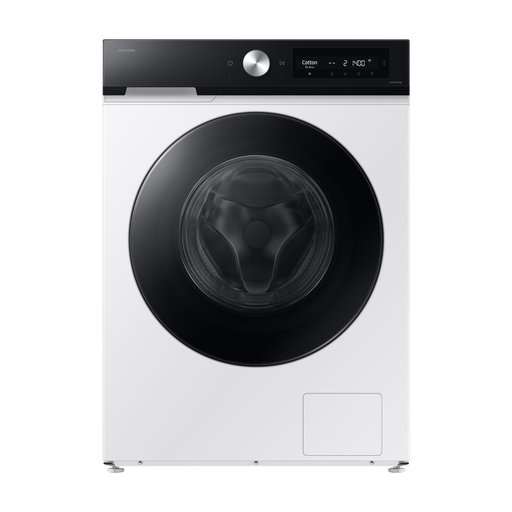
Why This Fits Their Persona: With a very large capacity of 11 kg for washing and 6 kg for drying, this appliance is ideal for families. The AI-powered wash programs (AI Wash) and comprehensive SmartThings app integration offer real added value by optimising wash cycles and enabling remote operation.
The large 6 kg drying capacity handles typical family-sized loads in one go. The AI functions help to optimise energy and water consumption (combined class D), making running costs more transparent than with simpler appliances.
AI Wash: Sensors detect the load size and soil level and automatically adjust water, detergent, and rinse time.
SuperSpeed 39': Washes a full load in just 39 minutes.
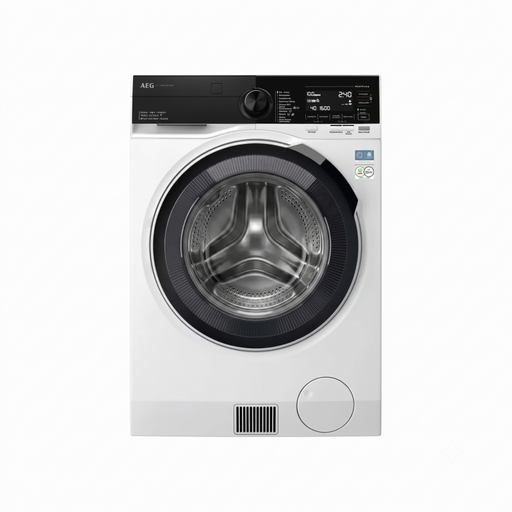
Why This Fits Their Persona: For households that value energy efficiency, durability, and gentle care for delicate fabrics like wool or outdoor wear. The heat pump technology is a future-proof investment in lower running costs.
This model resolutely solves the high energy cost pitfall: with a combined energy efficiency class of B, it is one of the most economical appliances on the market. The AbsoluteCare technology also prevents damage to clothes from excessively high drying temperatures.
Heat Pump Technology: Dries at lower temperatures, saving up to 50% more energy compared to conventional models and protecting the fibres.
ProSense Technology: Automatically adjusts the time, water, and energy consumption to the load size.
We've compiled a complete, up-to-date list of products that fully meet these strict selection criteria and local safety regulations.
For households that frequently use the dryer function, purchasing a model with a heat pump can be worthwhile. The energy consumption for drying is significantly lower than with conventional condenser dryers. The payback period depends on the frequency of use and electricity prices, but a substantial saving is possible over the entire lifespan of the appliance. Furthermore, the gentler drying at lower temperatures is a benefit for the longevity of your clothes.
Strictly adhere to the manufacturer's specification for drying capacity. As a rule of thumb, the drying capacity is often only about two-thirds of the washing capacity. If you load an appliance with a 9 kg washing capacity to its maximum, you will have to split the laundry before drying. For a seamless "Wash & Dry" cycle, the load size should be matched to the drying capacity from the outset.
A washer-dryer is a more complex appliance than a separate washing machine or dryer, as it combines two functions in one housing. Technically, there are more components that could potentially fail. However, with high-quality models and regular maintenance (e.g., cleaning the lint filter and seals), the lifespan can be comparable to that of separate units. Many manufacturers also offer extended warranties on key components like the motor.