
Lieferung heute & morgen

Qualitätsgarantie

Willkommens-Angebote freischalten: KOSTENLOSE Lieferung | Bis zu 80 % RABATT | Kostenlose 30-Tage-JoyPlus-Testphase
App herunterladen
A washer-dryer is the ultimate space-saving 2-in-1 solution for any home that lacks the room for two separate appliances. Instead of placing a washing machine and a dryer side-by-side, a single unit handles both tasks. However, the market is filled with a wide variety of models featuring different capacities, technologies, and functions. This guide is designed to help you understand these features and make an informed decision when you're ready to buy a washer-dryer. We'll introduce a selection of appliances tailored to different needs.
Choosing the right appliance depends on your individual needs. Three key criteria will help guide your decision: capacity, efficiency, and features.
The load capacity, measured in kilograms (kg), is one of the most important selection criteria. Note that washer-dryers always list two values: a higher capacity for washing and a lower one for drying. This is because laundry needs more space in the drum to tumble freely and dry effectively.
The running costs of a washer-dryer are primarily determined by its energy and water consumption. The EU Energy Label provides this information. Since 2021, new, stricter classes from A (very efficient) to G (less efficient) have been in effect. A Class A energy-efficient washer-dryer for the wash cycle is a worthwhile investment for long-term savings.
Another factor is the operating noise level, measured in decibels (dB). A quiet washer-dryer is particularly beneficial if the appliance is located in the kitchen or an open-plan living area. Models with a noise level below 72 dB during the spin cycle are considered relatively quiet.
Modern appliances offer much more than just washing and drying. These features can make daily life significantly easier:
Based on the criteria above, we have curated a selection of models that cater to various needs. The information about these appliances is based on data provided by the respective manufacturers.
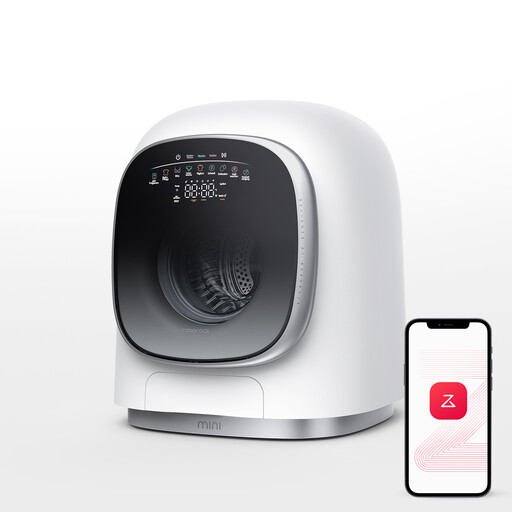
Why it stands out: The Roborock Zeo is an ultra-compact solution for small laundry loads. Its standout feature is the Zeo-cycle low-temperature drying, which, according to the manufacturer, gently dries delicate fabrics and prevents shrinking or heat damage.
Pros:
Who is it for? This compact washer-dryer is perfect for singles, couples in small apartments, or as a secondary unit for quickly washing underwear, sportswear, or baby items.
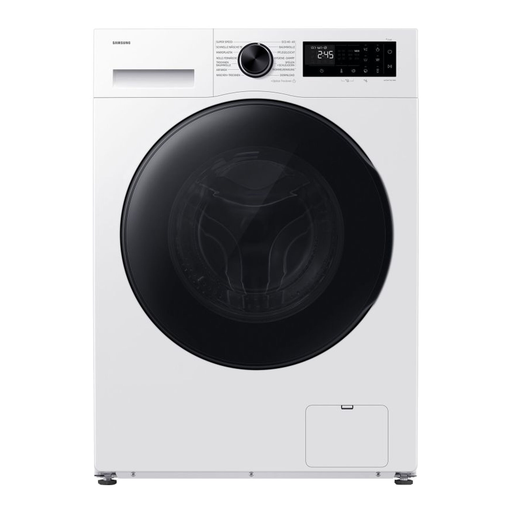
Why it stands out: This Samsung model combines a solid capacity with advanced technologies. The AI Ecobubble technology ensures a thorough clean at low temperatures, while the Microplastic cycle can reduce the release of synthetic fibres by up to 54%, according to Samsung.
Pros:
Who is it for? A smart washer-dryer for tech-savvy households and eco-conscious users who value fast cycles, intelligent energy management, and innovative wash programmes. Its capacity of 9 kg for washing and 6 kg for drying is designed for small to medium-sized families.
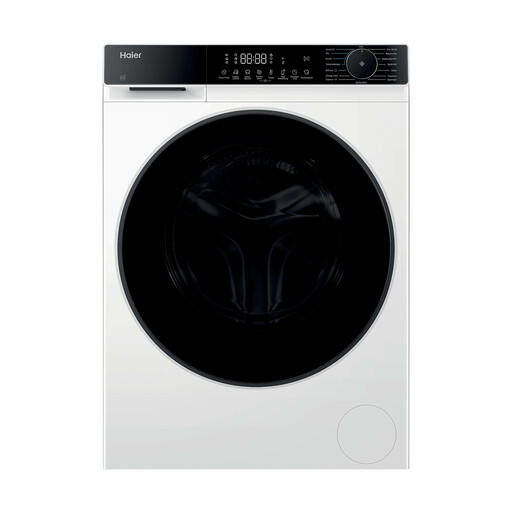
Why it stands out: With an impressive capacity of 12 kg for washing and 8 kg for drying, this Haier model is designed for large laundry loads. The brushless Direct Motion Motor ensures exceptionally quiet operation, at just 72 dB during the spin cycle.
Pros:
Who is it for? This large-capacity washer-dryer is the perfect solution for large families or households that need to handle heavy laundry loads regularly, all while valuing quiet operation and hygienic cleanliness.
The models featured here already cover a broad spectrum of needs. However, if you want to compare more alternatives or are looking for specific built-in solutions, you can find a wider selection in our main category.
? Explore our full range of washer-dryer combos
Modern washer-dryers have made significant advancements in recent years. Their drying performance is generally good, as long as you don't exceed the maximum drying capacity. For best results, it's important to use a high spin speed before drying and to avoid overloading the drum, allowing air to circulate freely.
A combined wash-and-dry cycle tends to use more water and energy than a wash-only cycle in a standard washing machine. When compared to the total consumption of one wash cycle plus a separate drying cycle, the cost depends heavily on the efficiency of the appliances. A highly efficient washer-dryer can be quite competitive with moderate use, especially when you factor in the savings on the purchase price and space of a second appliance.
The most practical features are those that simplify daily routines and improve laundry care. These include automatic load sensing to adjust consumption, a steam function to reduce wrinkles and refresh clothes, and smart control options via an app for greater flexibility. Special programmes for delicate fabrics or for reducing allergens can also offer significant value. Checking the results from a professional washer-dryer review can also provide helpful guidance.