
Lieferung heute & morgen

Qualitätsgarantie

Willkommens-Angebote freischalten: KOSTENLOSE Lieferung | Bis zu 80 % RABATT | Kostenlose 30-Tage-JoyPlus-Testphase
App herunterladen
A washer-dryer combines the functions of a washing machine and a tumble dryer into a single appliance. This 2-in-1 solution is a practical alternative to buying two separate appliances, especially for households with limited space, such as those in urban apartments. Choosing the right model depends on various technical parameters, including capacity, energy efficiency, and specific programme features. This article analyses the essential criteria to consider when selecting an appliance.
The selection of a suitable appliance should be based on an analysis of individual needs and technical specifications. The following criteria are of central importance.
The capacity of a washer-dryer is specified in kilograms (kg) and differs for the washing and drying cycles. For example, a 9 kg washer-dryer can wash 9 kg of laundry but can often only dry a smaller amount, such as 5 to 6 kg, in a continuous cycle.
The drying technology is a crucial factor for energy consumption and garment care.
Since March 2021, the new EU energy label with a scale from A (very efficient) to G (less efficient) has been in effect. For washer-dryers, the label displays two values: one for the wash-only cycle and one for the combined wash and dry cycle. For instance, an appliance might have a Class A rating for washing and a Class D rating for the combined operation. Pay attention to the weighted energy consumption (in kWh per 100 cycles) and water consumption (in litres per cycle) to estimate the running costs.
The maximum spin speed (RPM) determines the residual moisture in the laundry after the wash cycle. A higher speed (e.g., 1400 or 1600 RPM) means the laundry comes out of the machine drier, which shortens the subsequent drying process and saves energy.
The noise level, specified in decibels (dB), is particularly relevant in open-plan kitchens or when operating the machine at night. A quiet washer-dryer is made possible by an inverter motor. These brushless motors are not only quieter and produce fewer vibrations but are also more durable and energy-efficient than conventional motors.
Modern appliances offer a variety of special programmes for different types of textiles (wool, delicates, outdoor) as well as time-saving short programmes. A smart washer-dryer can also be connected to an app via Wi-Fi. This allows for remote control, status monitoring, or end-of-cycle notifications and can contribute to increased efficiency. Steam functions can make ironing easier by reducing wrinkles or refreshing clothes.
Based on technical specifications and practical benefits, we present a few models here.
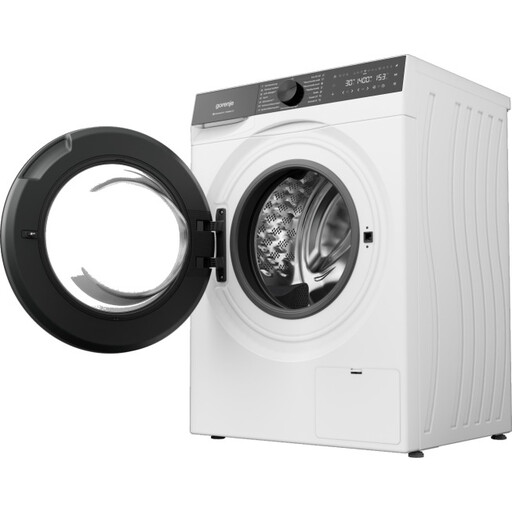
Why we're reviewing this product: This model from Gorenje focuses on speed and efficiency. The combination of quick wash and quick dry programmes allows a full load to be washed and dried in 68 minutes, which is highly practical for a fast-paced lifestyle.
Pros:
Best for: Households that need a high washing capacity and value extremely fast, continuous wash and dry cycles.

Why we're reviewing this product: The AEG LWR9W81609 is a washer-dryer with a heat pump. This technology allows for drying at lower temperatures, which reduces energy consumption and is gentler on textiles. Its large capacity makes it an option for larger households.
Pros:
Best for: Larger households and users who prioritise maximum energy efficiency, garment care, and modern sensor technology.
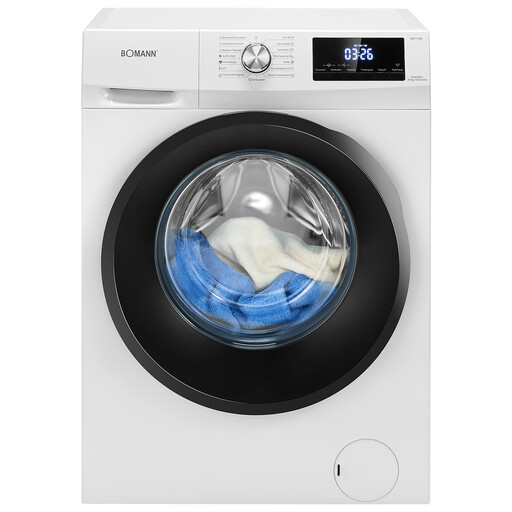
Why we're reviewing this product: This model from Bomann is a freestanding washer-dryer and offers a solid set of basic features with a durable inverter motor. It represents a functional solution that combines essential programmes and an adequate capacity for standard households.
Pros:
Best for: Budget-conscious households looking for a reliable appliance with a durable motor and all the necessary core functions.
The models presented here offer a cross-section of the available technologies and features. The market for home appliances is constantly evolving. For a more comprehensive overview and other options that might meet your specific needs, we recommend taking a look at the main category.
Discover more appliances in our category: Washer Dryer Home Appliances.
1. How well does a washer-dryer actually dry? The drying performance of modern washer-dryers is comparable to that of standalone appliances, provided the maximum drying capacity is not exceeded. Models with sensors that measure residual moisture automatically stop the process when the desired level of dryness is reached, which prevents over-drying. With a full load, the result can be slightly damp in some models, which is why adhering to the recommended load size is crucial.
2. Does a washer-dryer use more electricity and water than two separate appliances? A washer-dryer with a heat pump can be more energy-efficient in combined operation than using an old condenser dryer. However, conventional washer-dryers with condenser technology often consume more energy and especially more water (for cooling) than two separate, modern, and energy-efficient appliances. The exact consumption values are detailed on the EU energy label of the respective device.
3. Can you use a washer-dryer for just washing or just drying? Yes, all washer-dryers can be used as a washing machine only or as a tumble dryer only. You can run a wash cycle without subsequent drying, or you can just dry already washed, damp laundry (e.g., towels). This flexibility makes the all-in-one washer and dryer a versatile household appliance.