
Lieferung heute & morgen

Qualitätsgarantie

Willkommens-Angebote freischalten: KOSTENLOSE Lieferung | Bis zu 80 % RABATT | Kostenlose 30-Tage-JoyPlus-Testphase
App herunterladen
A washer-dryer is the ideal solution for UK households that lack the space for two separate appliances. Combining washing and drying into a single unit promises both convenience and efficiency. However, the market is flooded with models making tempting marketing claims that can turn into costly missteps in practice. As your Joybuy Product Recommendation Officer, I'll help you identify the common pitfalls and make an informed decision.
Before you invest, you should be aware of the most common marketing traps that lead to dissatisfaction and unexpected costs.
To make a smart choice, you should examine three core technical aspects. These determine the efficiency, longevity, and your everyday satisfaction with the appliance.
Always pay attention to both figures: the maximum load for washing and the one for drying.
An appliance that allows for all-in-one washing and drying without interruption requires the laundry load to be matched to the drying capacity from the outset.
Since 2021, a new EU energy label has been in place. For washer-dryers, you will find two scales from A (very efficient) to G (inefficient):
The value on the right side is the decisive cost factor in long-term operation. A washer-dryer with a heat pump often achieves better classes here (e.g., B or C), as this technology requires significantly less energy for drying than conventional condenser dryers.
Most washer-dryers are condenser dryers. They cool the moist, warm air with cold water, which increases water consumption during the drying cycle. A more advanced and economical alternative is the washer-dryer with a heat pump.
Also, pay attention to the noise level during the spin cycle, specified in decibels (dB). A quiet washer-dryer with a value around 70 dB is a great choice, especially for open-plan kitchens or apartments. Models like the Bosch washer-dryer WNG24442 use the EcoSilence Drive motor for particularly quiet operation.
Here are three models tailored to different needs that cleverly avoid the pitfalls mentioned.
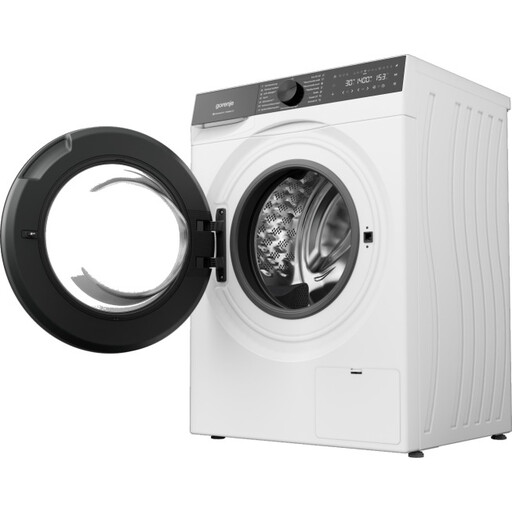
Why This Fits Their Persona: Ideal for busy individuals who need a fast and straightforward laundry solution. The appliance fits perfectly into a daily routine where time is a critical factor.
Sidesteps the capacity trap with an extremely fast non-stop program: a full 9 kg load is washed and dried in just 68 minutes, making it unnecessary to split the laundry.
Very good energy efficiency (Class A for wash only) and time-saving programs like Power 29 (29 min wash) and FastDry Pro (39 min dry).
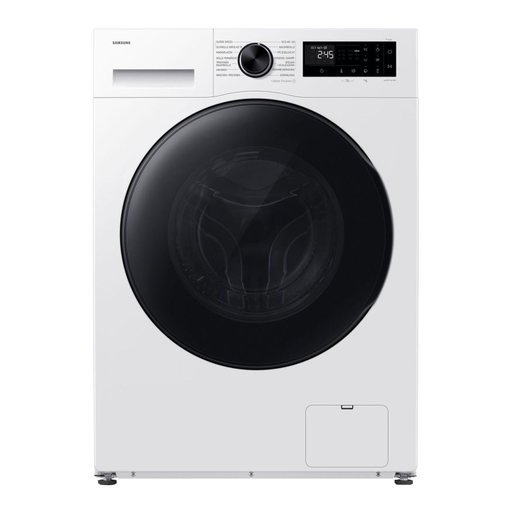
Why This Fits Their Persona: Perfect for families who value large capacity, useful smart features, and special programs for hygienic and eco-conscious laundry care.
Avoids the "superfluous smart features" trap with the AI Energy Mode in the SmartThings app, which can reduce energy consumption by up to 70% according to Samsung, thus offering a real financial benefit.
AI Ecobubble technology for thorough cleaning at low temperatures and the Microplastics cycle, which reduces the release of microfibres by up to 54% according to the manufacturer.
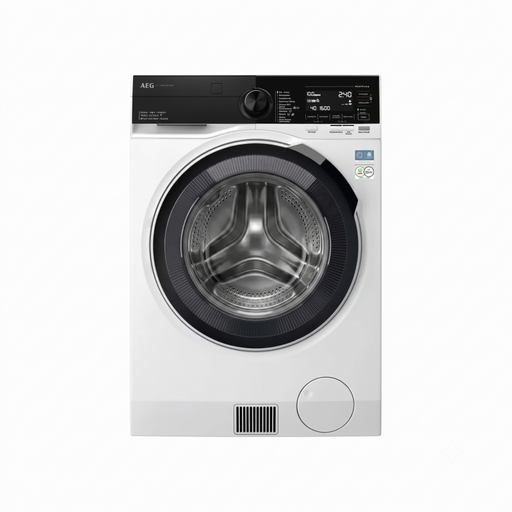
Why This Fits Their Persona: For discerning users who value maximum energy efficiency, gentle laundry care, and long-lasting quality, and are willing to invest in advanced technology.
Conclusively solves the high energy cost trap: Thanks to heat pump technology, the appliance achieves a combined energy efficiency class of B—a top rating for washer-dryers that drastically reduces electricity costs.
AbsoluteCare system dries at lower temperatures, protecting delicate fabrics like wool and outdoor wear. Large capacity of 10 kg for washing and 6 kg for drying.
We've compiled a complete, up-to-date list of products that fully meet these strict selection criteria and UK safety regulations.
A washer-dryer typically consumes more energy and water per kilogram of laundry than a separate heat pump dryer. Condenser washer-dryers, in particular, require cold water for the drying process, which increases water costs. A washer-dryer with a heat pump is the more economical choice here and comes closer to the values of separate appliances. However, purchasing one appliance instead of two saves space and initial purchase costs.
No, a washer-dryer connects just like a conventional washing machine to a cold water inlet, a drain hose, and a standard grounded socket (230 V). No separate exhaust hose is needed, unlike with old vented dryers. Just ensure the installation room is adequately ventilated to dissipate the appliance's waste heat.
Since washer-dryers, unlike standalone dryers, usually don't have a separate lint filter that is emptied after each cycle, regular maintenance is crucial. Lint often collects in the rubber door seal. Wipe this with a damp cloth after each drying cycle. Additionally, run the machine's self-cleaning program or a wash cycle at a high temperature (60°C or 90°C) without any laundry about once a month to flush out lint residue from the system.