
Lieferung heute & morgen

Qualitätsgarantie

Willkommens-Angebote freischalten: KOSTENLOSE Lieferung | Bis zu 80 % RABATT | Kostenlose 30-Tage-JoyPlus-Testphase
App herunterladen
Purchasing a new laundry solution is a major decision for any household. Whether you opt for a complete washer and dryer set, a space-saving washer-dryer combo, or another configuration, the options are vast and the technical specifications can be overwhelming. Many buyers focus on the initial purchase price, overlooking crucial factors that can lead to higher long-term costs or usability issues.
As your Joybuy Product Recommendation Officer, I'm here to help you identify the common pitfalls and make an informed decision. We'll focus on the three most frequent mistakes:
This guide breaks down the most important parameters to help you find a solution that precisely fits your needs, your space, and your budget.
To avoid a poor investment, you should carefully examine three core areas. These determine not only the functionality but also the long-term satisfaction and operating costs of your new appliances.
The first and most important decision concerns the basic appliance type. Each has clear advantages and disadvantages that depend on your household and the space you have available.
The EU energy labels provide a clear indication of the expected operating costs. Look for the highest possible energy efficiency class (A is the most economical on the A to G scale).
The right size is crucial for washing efficiently and avoiding energy waste.
Instead of making generic recommendations, we have identified products that address specific requirements and lifestyles.
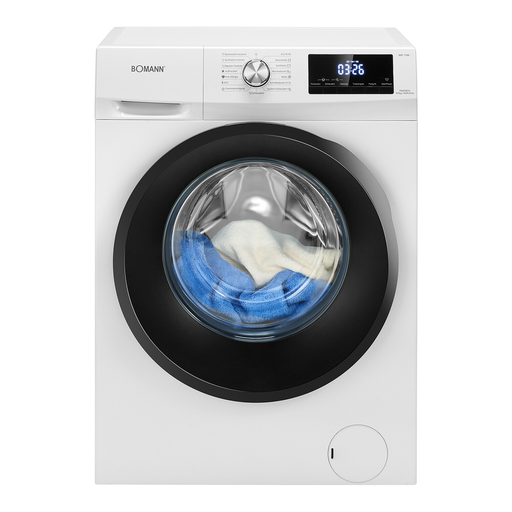
Why This Fits Their Persona: Ideal for individuals or couples in apartments where there's no room for two separate appliances. This unit combines washing and drying in a standard 60 cm niche.
Directly solves the pitfall of choosing the wrong appliance configuration for a limited space. Instead of compromising on placement, this unit offers an integrated solution.
2-in-1 Functionality: Washes (8 kg) and dries (5 kg) in one appliance. Durable inverter motor and an additional steam function for refreshing clothes and reducing wrinkles.
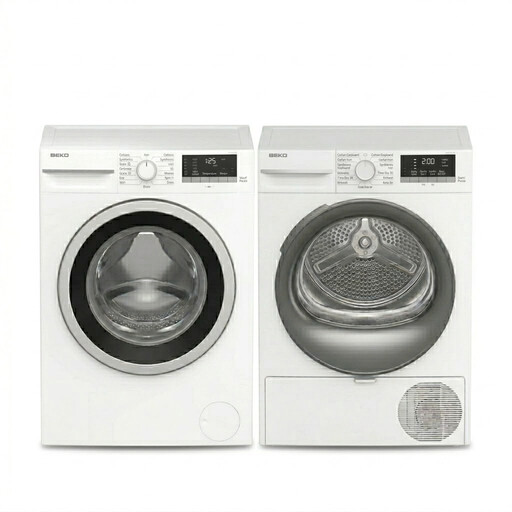
Why This Fits Their Persona: This set is designed for families who prioritise efficiency, hygiene, and capacity. The separate 8 kg appliances allow for parallel washing and drying of large laundry loads.
Addresses the pitfall of underestimated operating costs. The heat pump dryer ensures low energy consumption, while the washing machine's EnergySpin technology saves up to 35% energy, according to Beko.
Hygiene Functions: SteamCure and Hygiene+ programs in both appliances remove stains and eliminate viruses. Quiet operation thanks to the ProSmart Inverter Motor.
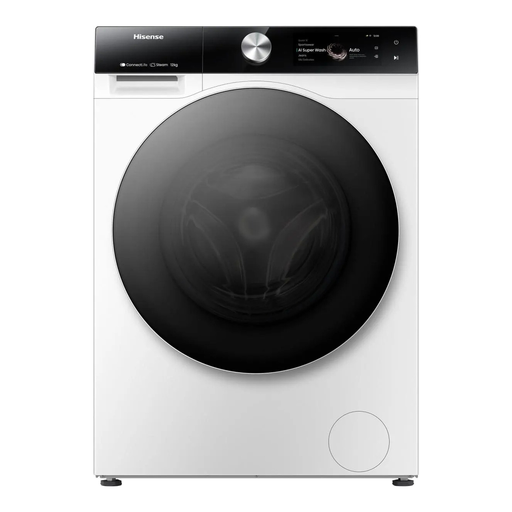
Why This Fits Their Persona: Perfect for large families or users who regularly wash bulky items like duvets. This machine forms the foundation of a high-performance laundry centre and can be combined with a matching dryer to create a laundry tower.
Prevents the mistake of buying an undersized appliance. Its high energy efficiency class A (43 kWh/100 cycles) and Auto-Dose system for detergent also counteract the cost trap of overconsumption.
Enormous 12 kg capacity. Smart features like automatic detergent dosing, deep cleaning with steam, and smart control via Wi-Fi.
For safely stacking a washer and dryer of different or the same brands, a universal kit like the CNTSLNB Universal Stacking Kit is a necessary addition to ensure stability and safety.
We have compiled a complete, up-to-date list of products that fully meet these strict selection criteria and German safety regulations.
A washer-dryer combo is a single appliance that can both wash and dry. It is ideal for very limited spaces. A set consists of two separate appliances—a washing machine and a dryer. This solution offers higher capacity and performance, as you can wash and dry simultaneously, but it requires more space.
A laundry tower requires the footprint of a single washing machine (typically 60x60 cm), but the corresponding height. Add together the height of the washing machine, the height of the dryer, and about 3-5 cm for the stacking kit. Also, plan for at least 10 cm of clearance from the wall for connections and ventilation, and ensure the ceiling height is sufficient.
Yes, in most cases, the investment is worth it. A heat pump dryer uses efficient heat pump technology to reuse air, consuming significantly less electricity than a conventional condenser dryer, which heats moist air via a heating element. With regular use, the higher initial cost is offset by savings on your electricity bill over the appliance's lifespan.