
Lieferung heute & morgen

Qualitätsgarantie

Willkommens-Angebote freischalten: KOSTENLOSE Lieferung | Bis zu 80 % RABATT | Kostenlose 30-Tage-JoyPlus-Testphase
App herunterladen
A washer-dryer promises the perfect solution for modern households, especially in cities where space is at a premium: washing and drying in a single appliance. But the selection is vast, and the marketing promises are often even bigger. As a Joybuy Product Recommendation Officer, I'm here to help you separate fact from fiction and make an informed decision that fits your lifestyle. Before you invest, you should know the three most common pitfalls that lead to disappointment and unnecessary costs.
Many buyers regret their decision because they fall for common marketing exaggerations. Here are the critical points that are often overlooked:
To avoid a bad purchase, focus on the technical specifications that make a real difference.
The most important rule is: Always check both specifications.
The EU energy label for washer-dryers is split into two parts and must be read carefully. On the left side, you'll find the values for the wash-only cycle; on the right, the values for the combined wash-and-dry cycle.
Beyond standard programmes like Cotton or Easy Care, there are features that offer real added value:
Here are some models that represent a considered choice for different user profiles based on their objective features.
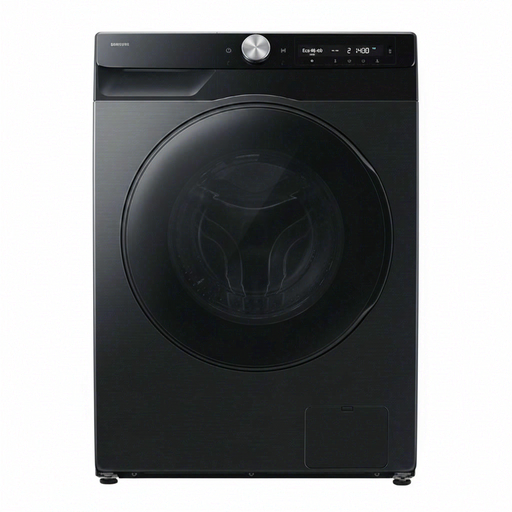
Why This Fits Their Persona: With a 9 kg washing and 6 kg drying capacity, this model is designed for a family's needs. The add-item function is especially practical when a sock or T-shirt has been forgotten. AI-powered features like load and stain detection automatically optimise the washing process.
The appliance is transparent about its capacity difference (9/6 kg), thus avoiding the capacity myth. Its smart features are designed for efficiency and convenience, rather than just being a gimmick.
According to Samsung, the AI EcoBubble technology enables effective cleaning even at low temperatures. The Wi-Fi and voice control offer real added value in a connected home.
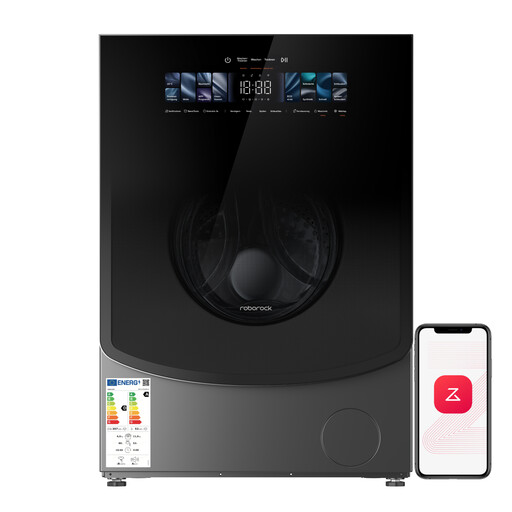
Why This Fits Their Persona: This model is aimed at users who value advanced technology and gentle fabric care. The Zeo-cycle drying technology operates at lower temperatures to prevent shrinking and heat damage. With an 11 kg washing capacity, it's also suitable for large laundry items.
Instead of just advertising connectivity, this appliance offers a concrete technological advantage with its Zeo-cycle technology and the intelligent RR Seafarer algorithm, which extends the lifespan of clothing.
The low-temperature drying is a key differentiator. The LintClear self-cleaning system reduces maintenance, and the Class A energy efficiency rating (for washing only) is a plus.
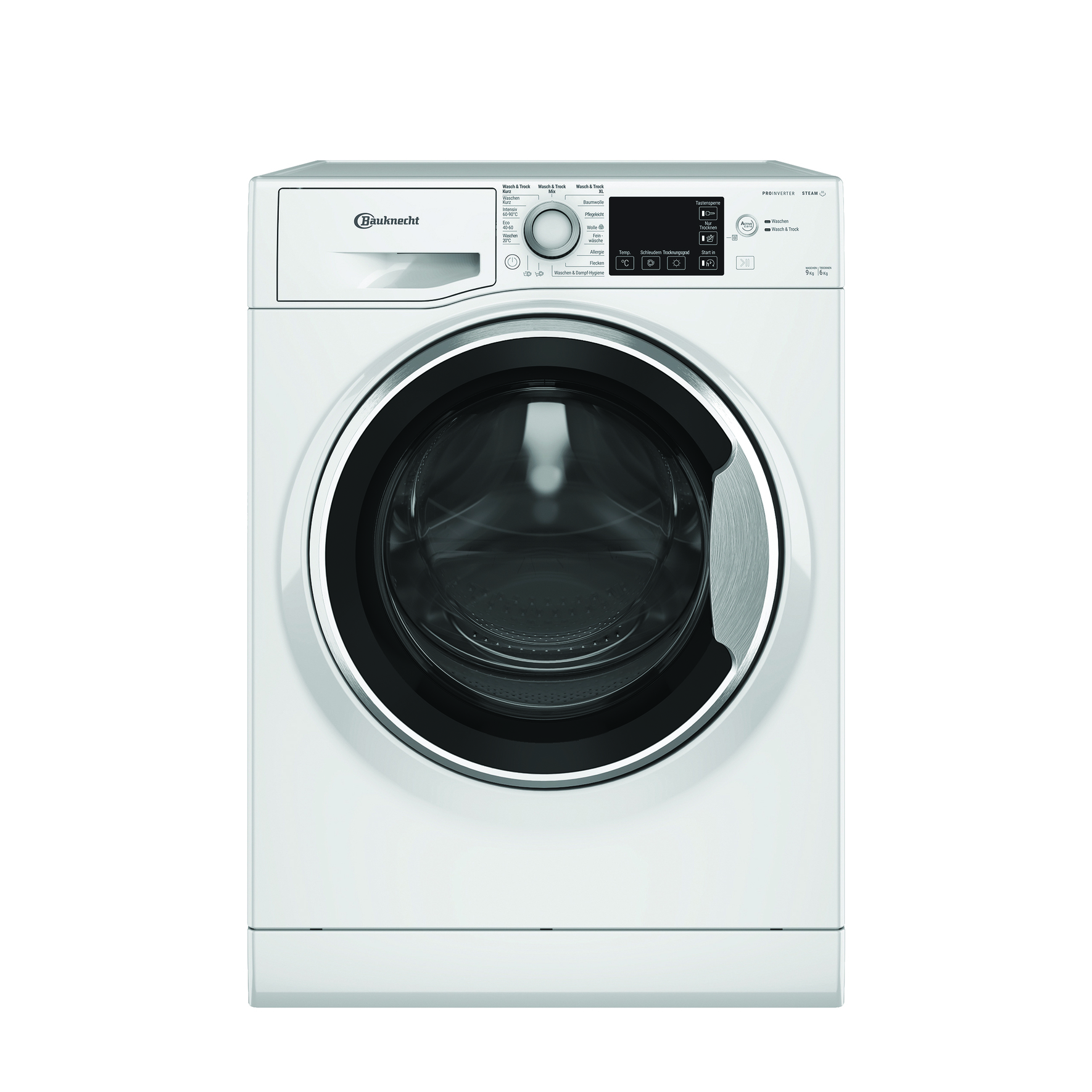
Why This Fits Their Persona: This model focuses on the essentials: reliable washing and drying performance. With a 9/6 kg capacity, it's sufficient for most households. Programmes like the Anti-Stain programme, which the manufacturer claims removes over 100 types of stains at 20°C, offer practical benefits without costly extras.
It forgoes complex smart home integration and focuses on proven technologies. The Class D energy efficiency rating for the complete cycle is clearly communicated, allowing for an honest cost-benefit analysis.
The Active Care System ensures effective stain removal while treating laundry gently. The Anti-Allergy programme, certified by Allergy UK, is a benefit for sensitive individuals.
We have compiled a complete, up-to-date list of products that fully meet these strict selection criteria and rigorous safety standards.
1. How long does a washer-dryer last on average? The lifespan of a washer-dryer heavily depends on the intensity of use and regular maintenance. Generally, you can expect a high-quality appliance to last for about 8 to 12 years. Regularly cleaning the lint filter, the detergent drawer, and running drum clean cycles can significantly extend its lifespan.
2. Is a washer-dryer with a heat pump really more economical? Yes, a washer-dryer with a heat pump is significantly more energy-efficient in the drying cycle than a conventional condenser dryer. It uses up to 50% less electricity because it reuses heat in a closed loop instead of releasing it into the environment. Although the initial purchase price is higher, the extra cost can be amortised over the years through lower electricity bills, especially with frequent use of the dryer function.
3. Can I operate a washer-dryer in a standard apartment without special connections? Yes, a space-saving washer-dryer requires the same connections as a conventional washing machine: a cold water inlet, a drainage connection, and a standard grounded electrical socket (230V). No separate exhaust hose to the outside is needed, as they are condenser dryers. This makes them ideal for use in apartments, bathrooms, or kitchens where there isn't space for two separate appliances.