What should you look for when buying?
Washer-dryers for complete cycles
A good fit if: there’s no room for a second appliance or enough space to dry the bedding, and your usual load is within the drying capacity.
The trade-off: drying capacity may be lower than washing capacity. Also compare the figures and duration for a complete cycle.
Washer-dryers for occasional drying
A good fit if: the appliance fits in your available space and you can usually dry your bedding another way.
The trade-off: compare the label figures for washing alone and for an occasional complete cycle, based on how you’ll use the appliance.
Washing machine with air-drying
A good fit if: you have enough space to hang large sheets and can do without machine-drying.
The trade-off: large bedding needs plenty of space and time to dry.
Washing machine and separate tumble dryer
A good fit if: you have space for both appliances and their installation requirements, and often machine-dry large loads.
The trade-off: two appliances need suitable space. Compare specific appliances and usage cycles rather than relying on general assumptions.
| What matters |
What to check before buying |
Who should pay particular attention |
| Installation and drying space |
Check the appliance’s dimensions, connections, door clearance and installation instructions against the space available. |
If I can’t fit in a second appliance or properly hang my bedding, the washer-dryer needs to fit in the space I have. Around 36% of consumers put space at the top of their list when buying. |
| Amount of bedding |
Compare your usual load with the drying capacity for the complete cycle you plan to use. |
If I want to dry sheets and covers in one uninterrupted cycle, the permitted drying load matters. Around 29% of consumers put load size first. |
| Electricity, water and time |
Compare the figures and duration for washing alone and for a complete wash-and-dry cycle separately. |
If I use the drying function regularly, I want to take the electricity and water used by a complete cycle into account. Around 21% of consumers put running costs at the top of their list. |
| Fabric care |
Check the care labels, programme instructions and permitted load for your chosen programme. |
If caring for my particular bedding is a priority, I want to choose a programme and drying method that follow its care instructions. Around 14% of consumers consider fabric care first. |
According to Energielabel-Kompass, the washer-dryer energy label introduced in March 2021 shows the figures for a complete wash-and-dry cycle on the left and the figures for washing alone on the right. Older label ratings and consumption figures are not directly comparable because measurement and classification methods have changed.
Joybuy products
The selection includes washer-dryers for combined wash-and-dry cycles, as well as a WashTower with a washing machine and tumble dryer. Compare the listed capacities and, if space is limited, check the dimensions and installation requirements of the specific model.
 No image available
LG WT1210EGF WashTower, 12 kg washing and 10 kg drying capacity
May suit larger loads if you’re looking for a stacked washer-and-dryer combination.
Washing capacity of 12 kg and drying capacity of 10 kg; heat-pump tumble dryer. Listed dimensions: 60 × 165,5 × 66 cm.
Joybuy
 No image available
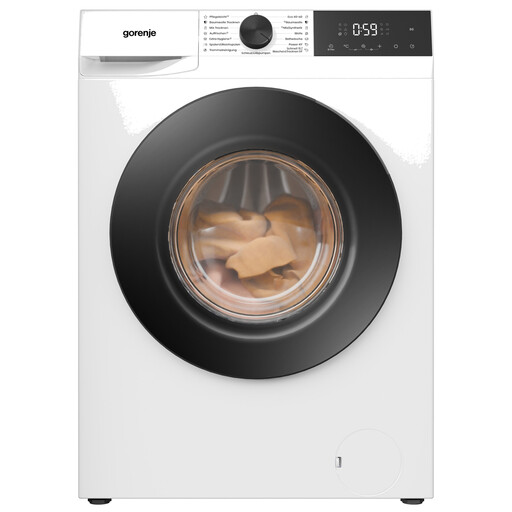
Gorenje WD5G2P1174A2DP2 washer-dryer, 11 kg/7 kg
The listed capacity may suit your bedding load. In particular, compare the drying capacity with the size of your usual load.
Washing capacity of 11 kg and drying capacity of 7 kg.
Joybuy
 No image available
LG WT1210WWF front-loading washer-dryer, 12 kg/10 kg
May suit complete cycles if your bedding load is within the listed drying capacity.
Washing capacity of 12 kg and drying capacity of 10 kg; Dual Inverter heat pump. Listed dimensions: 85 × 60 × 66 cm.
Joybuy
 No image available
Samsung washer-dryer, 9 kg/6 kg
The drying capacity may suit bedding loads within the listed limit. Check your load against the programme instructions.
Washing capacity of 9 kg and drying capacity of 6 kg. Listed figures are 308 kWh per 100 wash-and-dry cycles, 90 l of water for washing and drying, and dimensions of 85 × 60 × 64,5 cm.
Joybuy
 No image available
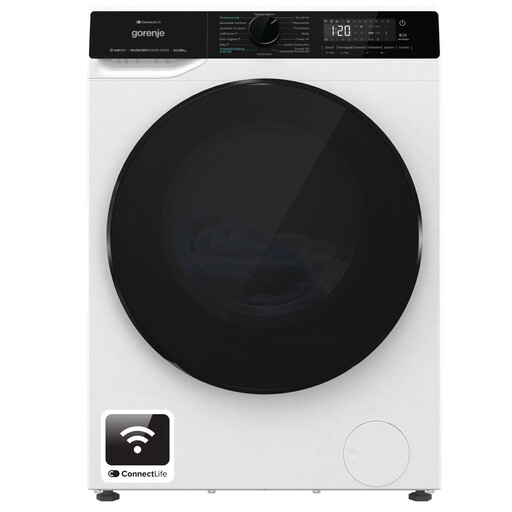
Gorenje WD2PA1X64ADW DE washer-dryer, 10,5 kg
A combination appliance may suit you if you want washing and drying in one machine. Check that the listed capacity is suitable for your bedding load.
A capacity of 10,5 kg and 16 programmes are listed. Check the product details and programme instructions to confirm what the capacity figure refers to.
Joybuy
Frequently asked questions
Can I machine-dry any cotton bedding straight away?
No. The fibre type alone isn’t enough to go on. Check the care label on each cover and sheet, as well as the instructions for your chosen drying programme. For a complete cycle, the load must also be within the permitted drying capacity.
What should I measure before installing an appliance in a small flat?
Measure the available space and compare it with the dimensions of the specific appliance. Allow for connections and door clearance, and check the installation instructions. That way, you can make sure the space works for the required installation—not just for the appliance itself.
How do I compare energy and water use?
Compare the figures for washing alone and for complete wash-and-dry cycles separately, based on how you plan to use the appliance. As Energielabel-Kompass explains, the two-part washer-dryer energy label shows the complete cycle on the left and washing alone on the right.
Which capacity matters for a complete bedding cycle?
The key question is whether your usual load is within the stated drying capacity for the programme you’ve chosen. Washing capacity may be higher, but that doesn’t mean the same amount of laundry can be dried without interruption.
When might a washer-dryer not be the right solution if space is limited?
If the specific appliance won’t fit in your available space or its drying capacity isn’t enough for your bedding loads, a combination machine won’t solve the space or capacity problem. If you have enough room to hang laundry or fit two appliances, compare those options and their energy and water use based on how you plan to use them.


