Who is a washer-dryer right for?

Households without space to dry laundry

If you don’t have room for a clothes airer or a separate tumble dryer, you can wash and dry your laundry in one appliance. The Verbraucherzentrale says that saving space is handy in smaller homes. Just make sure your bedding load fits the drying capacity.

Households with large bedding loads

If you wash several cotton items together, check the capacity for a complete wash-and-dry cycle – not just the higher washing capacity. The Verbraucherzentrale points out that with washer-dryers, only part of the wash load can be dried straight away.

Households that use drying cycles often

If you regularly tumble-dry your laundry, remember to consider the consumption for a complete wash-and-dry cycle. The Verbraucherzentrale warns that washer-dryers use more electricity and water than a washing machine and separate tumble dryer.

What should you look for when buying?

Washer-dryer

A good fit if: you don’t have enough space to dry laundry or room for two appliances, and your bedding load fits the drying capacity.

The trade-off: you’ll need to account for the lower drying capacity and the consumption of a complete cycle.

Washing machine and air-drying

A good fit if: you have a suitable place to dry laundry and keeping energy use low is a priority. The German Environment Agency (Umweltbundesamt) names clothes airers and washing lines as particularly energy-efficient ways to dry laundry.

The trade-off: hanging laundry takes time and space. If you dry it indoors, you’ll need to manage the moisture.

Washing machine and separate tumble dryer

A good fit if: you have room for two appliances and regularly need to dry larger bedding loads.

The trade-off: you’ll need space for two appliances and have to transfer the laundry between them. The F.A.Z. Kaufkompass reports that separate tumble dryers offer advantages over washer-dryers in drying performance and throughput.

What matters when buying What to check Who is this important to?
Drying laundry without extra space Check the appliance dimensions and connections, and make sure the drying capacity is suitable for the load you plan to dry. If I don’t have room for a tumble dryer or somewhere to hang laundry, I want to finish drying my bedding without needing another drying space. Around 36% of consumers say lack of space is their top concern.
Drying a usual load in one cycle Weigh your bedding load and compare the washing capacity and wash-and-dry capacity separately. If I wash several cotton items together, I want to know whether they’ll all fit in the drying cycle. Around 29% of consumers say load size matters most.
Assessing consumption for a complete cycle For a like-for-like comparison, check the kWh per 100 complete cycles, water consumption and programme duration. If I tumble-dry my laundry often, I want to compare consumption for the whole cycle, not just the wash. Around 21% of consumers put running costs first.
Caring for bedding properly Check the care label and read the model-specific guidance on drying programmes and cleaning. If my bedding can only be dried in a particular way, I want to take its care instructions and appliance maintenance into account beforehand. Around 14% of consumers say fabric care and maintenance matter most.

Common buying and usage mistakes

  • Looking only at the washing capacity

    The capacity for a complete wash-and-dry cycle can be considerably lower. So a larger wash load won’t necessarily fit in the drying cycle as well.

    Compare your usual bedding load with the wash-and-dry capacity specifically stated for the model you’re considering.

    If the drying load is too large, you may need another drying cycle or extra space to dry the rest.

  • Using the washing energy rating as a guide to combined cycles

    The EU energy label gives separate figures for washing and for washing and drying. The European Commission lists information including energy and water consumption, as well as programme duration.

    If the capacity is suitable, compare the figure for a complete wash-and-dry cycle rather than relying on the washing figure alone.

    The washing figure alone doesn’t show how much electricity and water frequent drying will use.

  • Assuming cotton is always suitable for tumble-drying

    Whether an individual item can be tumble-dried depends on its care label, not just the type of fibre.

    Before buying, check the care instructions for the bedding you plan to dry most often. A crossed-out tumble-dryer symbol means the item shouldn’t go in a tumble dryer.

    Ignoring the care label could damage the item.

Key brands at a glance

Bosch

The Bosch WNA14491 has a washing capacity of 9 kg and a wash-and-dry capacity of 5 kg. Bosch Hausgeräte Deutschland lists dimensions of 848 × 598 × 565 mm and a water protection system for this model.

  • The published dimensions make it easier to check whether the appliance will fit in a tight space.
  • The 9 kg capacity is for washing, not drying; the stated capacity for a combined cycle is 5 kg.

LG

LG Deutschland lists a washing capacity of 9 kg and a wash-and-dry capacity of 6 kg for the W4WR7096YB. The energy ratings differ for a complete cycle and for washing alone. The F.A.Z. Kaufkompass reported on the model’s general ease of use and consumption, but not on a specific bedding load.

  • The capacities for washing and combined washing and drying are listed separately.
  • General test findings don’t confirm a specific drying result for large cotton bedding.

AEG

AEG Deutschland describes the L9WEF80690 as a heat pump washer-dryer with a washing capacity of 9 kg and a drying capacity of 6 kg. AEG gives this model a C rating for washing and drying, and a figure of 252 kWh per 100 complete cycles.

  • The manufacturer’s figures give you a specific complete-cycle value to use when comparing models.
  • The label figure doesn’t confirm a specific drying result for large bed sheets or the performance of other AEG models; guidance on cleaning lint is model-specific.

Siemens

Siemens Hausgeräte lists a washing capacity of 9 kg and a wash-and-dry capacity of 6 kg for the iQ700 WN54C2070. The manufacturer gives its dimensions as 848 × 598 × 622 mm and also lists a water protection system.

  • The capacities and appliance dimensions help you check the load against the space available.
  • The manufacturer’s information doesn’t show that this model dries cotton bedding better than the other models listed.

Joybuy products for washing and drying

This selection includes washer-dryers and a WashTower with a separate washing machine and tumble dryer. Compare the stated drying capacity with your bedding load. The WashTower has separate washing and drying units.

Roborock Zeo Lite White washer-dryer

Roborock Zeo Lite White washer-dryer

The stated drying capacity may suit a compatible bedding load if you don’t have a separate place to dry laundry.

10 kg washing capacity and 6 kg drying capacity; energy rating E.

View at Joybuy

LG WT1210EGF WashTower

LG WT1210EGF WashTower

This could be an option if a WashTower with a washing machine and separate heat pump tumble dryer fits your available space.

12 kg washing capacity and 10 kg tumble-dryer capacity; the product description lists a duvet programme for the tumble dryer.

View at Joybuy

Beko BM3DT4944W washer-dryer

Beko BM3DT4944W washer-dryer

For a combined cycle, base your bedding load on the lower drying capacity.

9 kg washing capacity and 6 kg drying capacity; 1,400 rpm; energy rating D; SteamCure.

View at Joybuy
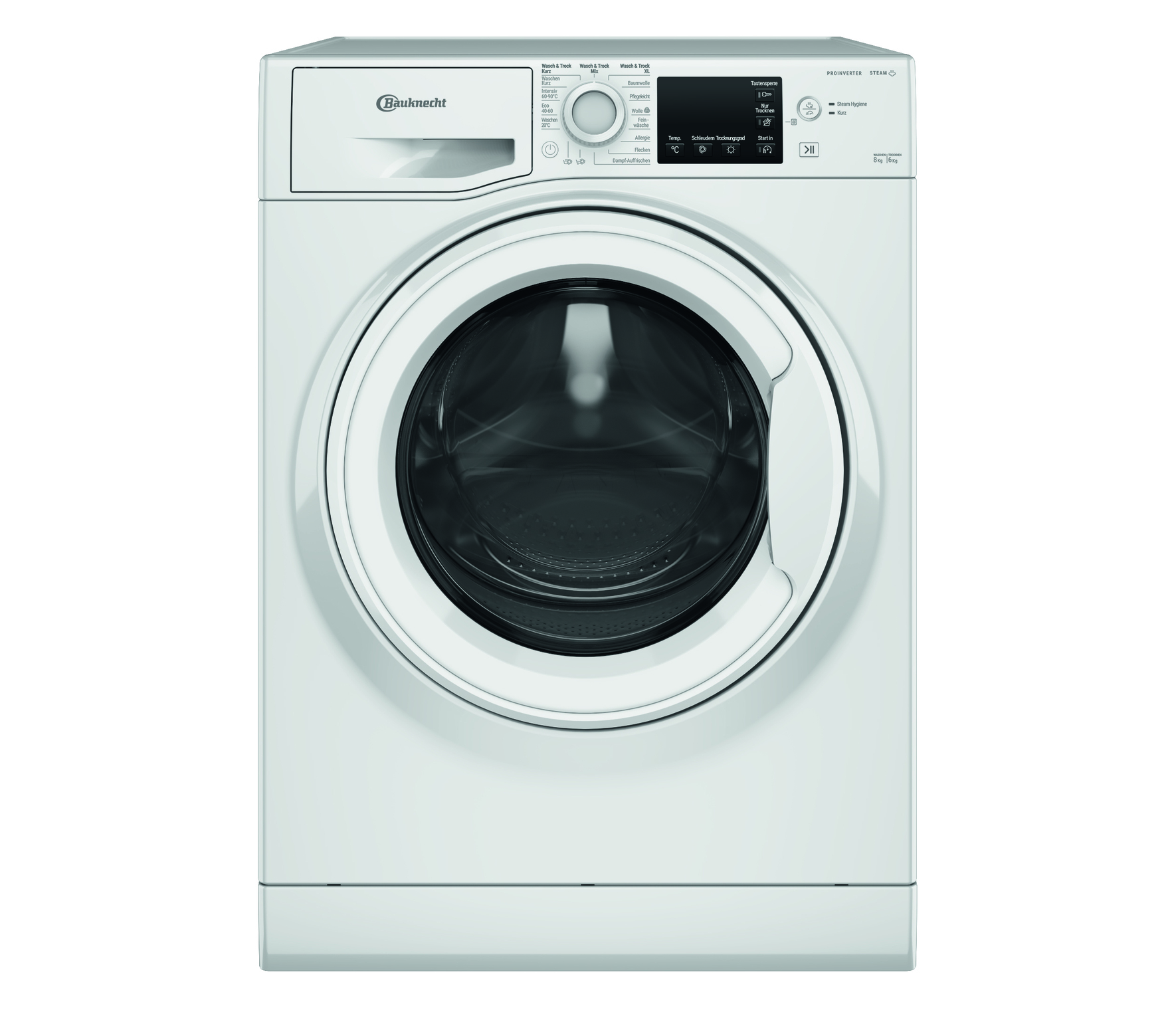
Bauknecht WD Eco Shield 8614 D washer-dryer

Bauknecht WD Eco Shield 8614 D washer-dryer

The separate capacity figures help you check whether your usual bedding load will fit in a combined cycle.

8 kg washing capacity and 6 kg drying capacity; 1,400 rpm; energy rating D.

View at Joybuy
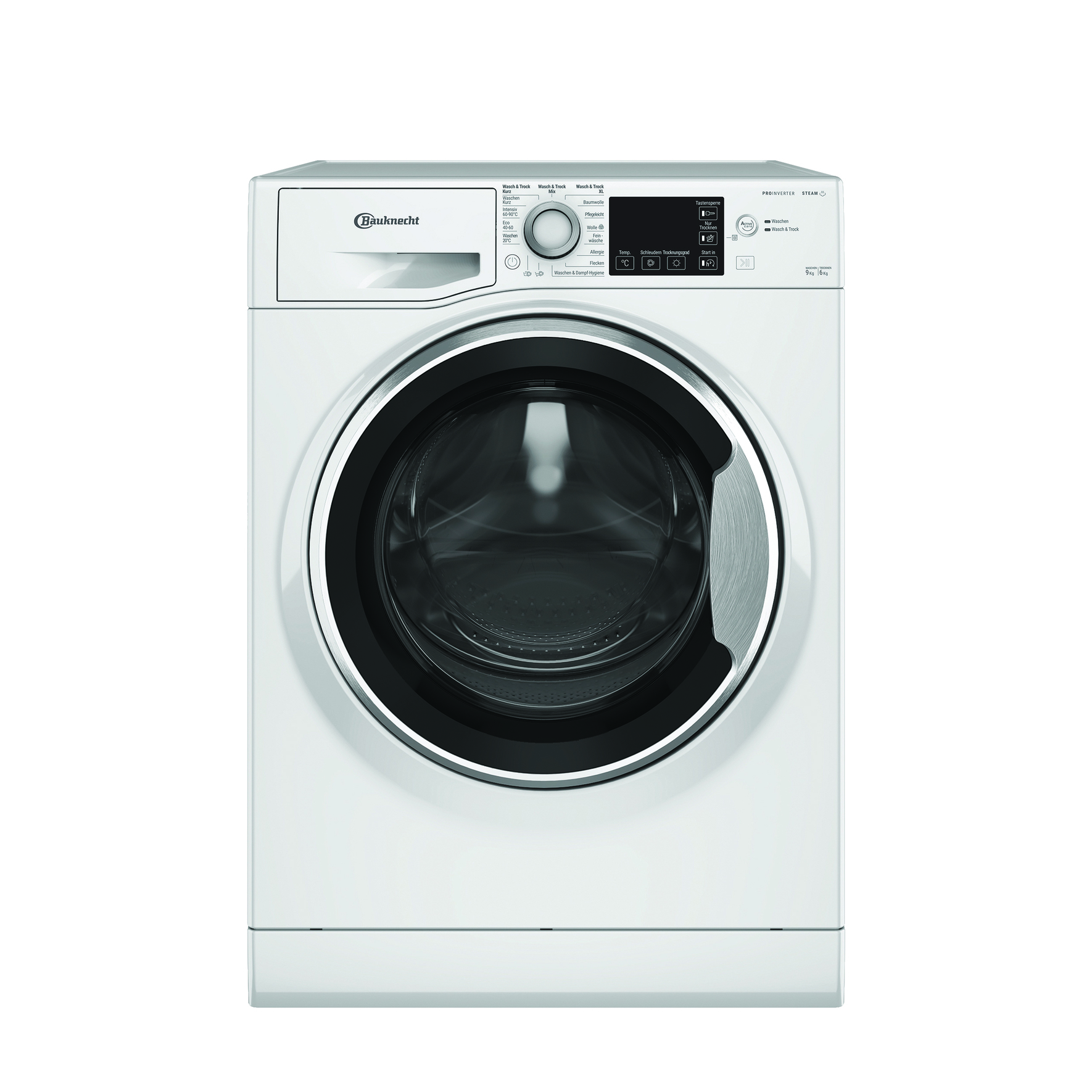
Bauknecht WADR ACTIVE 9614 D washer-dryer

Bauknecht WADR ACTIVE 9614 D washer-dryer

If you want to dry laundry without transferring it between appliances, the 6 kg drying capacity is the figure to check against your planned load.

9 kg washing capacity and 6 kg drying capacity; 1,400 rpm; energy rating D; Active Care Wash & Dry.

View at Joybuy

Frequently asked questions

Is the washing capacity enough if I want to dry the bedding in the same appliance?

No. For a combined cycle, the separately stated wash-and-dry capacity is what matters. For example, Bosch Hausgeräte Deutschland gives the Bosch WNA14491 a washing capacity of 9 kg and a wash-and-dry capacity of 5 kg. Weigh your usual load; the kilogram figure alone doesn’t guarantee a particular result with large individual items.

Can every cotton bedsheet go in the tumble dryer?

No, not just because it’s made of cotton. The care label on each item tells you whether and how it can be tumble-dried. A crossed-out tumble-dryer symbol means it shouldn’t go in a tumble dryer.

When is air-drying a good alternative to a washer-dryer?

If you have enough suitable space to dry laundry and keeping energy use low is a priority, a washing line or clothes airer could be a good option. The German Environment Agency (Umweltbundesamt) describes these methods as particularly energy-efficient, but they do require time and space.

Which energy consumption figure should I compare if I tumble-dry often?

Compare the figure for a complete wash-and-dry cycle, not just the washing figure. The European Commission lists separate figures on the energy labels for washer-dryers, including energy and water consumption and programme duration.

How should I care for a washer-dryer after drying?

Check the seal and accessible areas for residue, and follow the instructions for your model. AEG Support Deutschland recommends a model-specific CLEAN or rinse programme after drying for certain appliances without a heat pump. This guidance doesn’t automatically apply to other models.